


Ready to explore Whitecap Mountain? Here's everything you need to know before you go!
Discover the trail
Oh no! We don't have any photos 😢
This trail hasn't been captured yet. Be the first to share your adventure!Trail description
Description
Whitecap Mountain stands at 3,654 feet (1,014 m) in Maine's 100-Mile Wilderness, making it the tallest peak in this remote region. Multiple route options exist with varying distances and difficulty levels. The most direct route via Starr and Iles Trail covers 5.3 km with approximately 1,627 feet (496 m) of elevation gain and takes 3.5-4 hours. Alternative routes like the Appalachian Trail approach stretch to 7.7 miles round trip with 2,700 feet of elevation gain, offering a more strenuous full-day commitment. All routes reward hikers with genuine wilderness character and summit views that stretch across Maine's forested interior in every direction.
The Climb
The trail starts in dense mixed forest, classic Maine woodland where birch and spruce crowd the path. Multiple trailhead options exist — the Iles Trail begins near the Ellis River with a climb through forest, while the Logan Brook Trail approach follows a road for approximately 0.45 miles before the real climbing begins. The lower sections are more forgiving, with moderate grades that let you find your rhythm before the terrain steepens. As you gain elevation, the forest gradually opens up — the trees get shorter and more wind-shaped, the understory thins out, and you start catching glimpses of the surrounding ridgelines through the gaps.
The upper portions demand more attention to foot placement on rocky stretches. The summit itself features rocky slabs and breaks out of treeline to deliver the payoff — sweeping panoramic views across Maine's highland wilderness that make the sustained effort worthwhile. The grade never requires technical climbing, but solid footing and reasonable fitness are essential.
Depending on your chosen route, plan for 3.5-8 hours of hiking time. Starting early ensures you reach the summit with comfortable daylight and avoid afternoon weather windows.
Terrain and Trail Conditions
The trail is well-marked and maintained. Fallen trees and brush are cleared regularly, so navigation stays straightforward. Conditions shift with seasons, and the upper mountain can hold snow and ice well into spring. The terrain transitions clearly as you climb: rooted forest paths in lower sections give way to rockier, more exposed ground higher up. The final approach to the summit is the most open stretch, where views build dramatically.
Several creeks cross the route, offering water sources for filtering and spots for dogs to cool off. Weather at the summit can differ significantly from the trailhead — wind picks up, temperatures drop, and afternoon thunderstorms can develop quickly.
Wildlife and the Natural Environment
The elevation gradient creates a range of habitats with corresponding wildlife variety. Deer are common in lower forests, especially early morning or evening. Moose move through the area as well — less predictable but not unusual. The mixed forest zones support diverse birdwatching opportunities, with species varying noticeably between dense lower woods and open upper slopes. The mountain's remoteness within the 100-Mile Wilderness means you're unlikely to feel crowded, even during peak hiking season.
Seasonal Considerations
Summer offers the most straightforward conditions — trails are dry, days are long, and navigation is easiest. Fall brings exceptional foliage color with outstanding summit views, though trail traffic increases during peak weekends. Spring hiking requires more caution, particularly on upper sections where snow and mud make rocky passages slippery. Winter attempts are serious undertakings reserved for experienced mountaineers.
What to Bring
Even for shorter routes, solid preparation is essential:
- Water: Carry sufficient capacity for the full hike. While creeks offer filtering opportunities, relying solely on them is risky.
- Food: Pack adequate snacks and a proper lunch. Energy expenditure is significant regardless of route.
- Footwear: Hiking boots with ankle support and good traction are appropriate, especially for rocky upper sections.
- Layers: Summit temperatures and wind differ dramatically from the trailhead. Wind and insulating layers cover most conditions.
- Navigation: While well-marked, carrying a map is prudent in wilderness terrain.
- Timing: Early starts provide comfortable daylight margins and allow flexible pacing.
Whitecap Mountain is rated challenging for good reason — the combination of distance, elevation gain, and wilderness character demands respect. But for prepared hikers, the summit views and varied terrain make it one of the more memorable days in the Maine Highlands.
Recommended gear for this trail


Ready to go?
Everything you need to know before you goStarting Point
The easiest way to get to the start of the trails at whitecap mountain is to drive to Millinocket, Maine and take Route 11 north for about 15 miles. You will see a sign for whitecap mountain on the left and you will turn left onto a gravel road. The road will take you all the way to the summit of the mountain.
When?
How much?
- Hiking shoes Essential
- → Salomon Elixir Tour Mid WP · 203.38 $
- Layered clothing Essential
- Rain jacket Essential
- Trekking poles
- → Black Diamond Trail Ergo Cork · 69.99 $
- Headlamp
- → Petzl Actik Core 625 · 103.95 $
FAQ - Frequently asked questions
Everything you need to know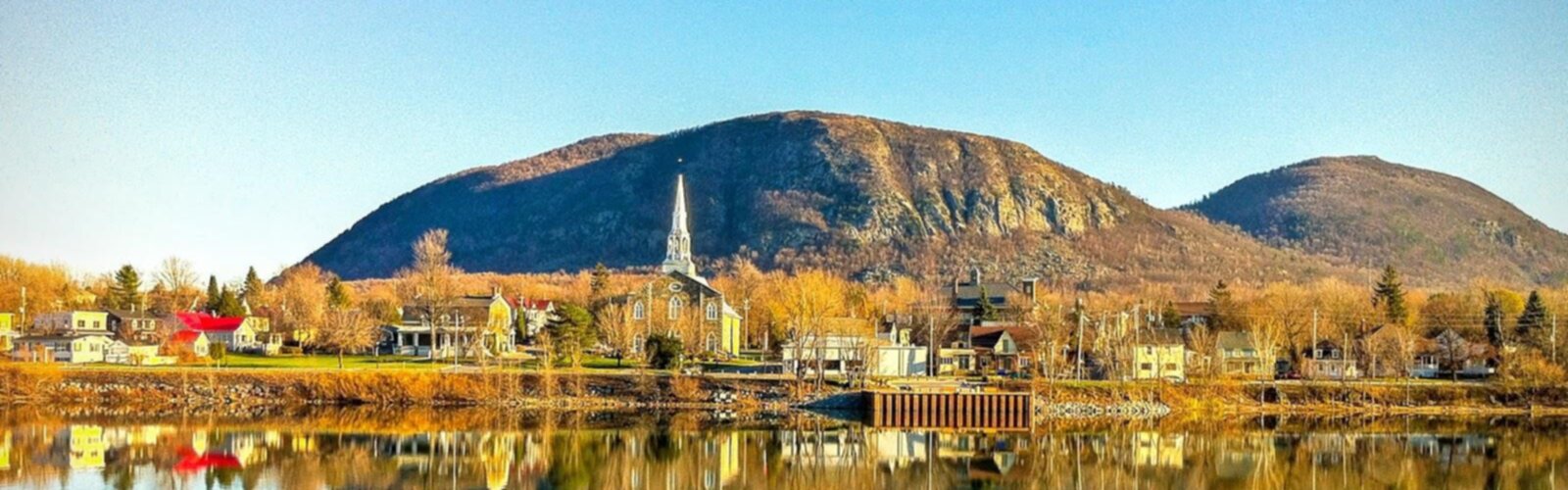
25 hikes under 2 hours from Montreal
Distance, elevation, parking and season for each one. The ones we go back to ourselves.
Get the guideSimilar hikes nearby
Discover other trails you might enjoy
Chimney Peak, Maine
Maine Highlands

Katahdin
Maine Highlands
Little Spencer Mountain
Maine Highlands
barnard mountain
Maine Highlands
Pleasant Pond Mountain
Maine Highlands
Katahdin Lake
Maine Highlands
Hiking near North Conway
0 trails to explore ~69 km away
We work hard to provide the most up-to-date and error-free data possible. If something seems incorrect, let us know! Your contribution helps the whole community.
Hikers' opinions