
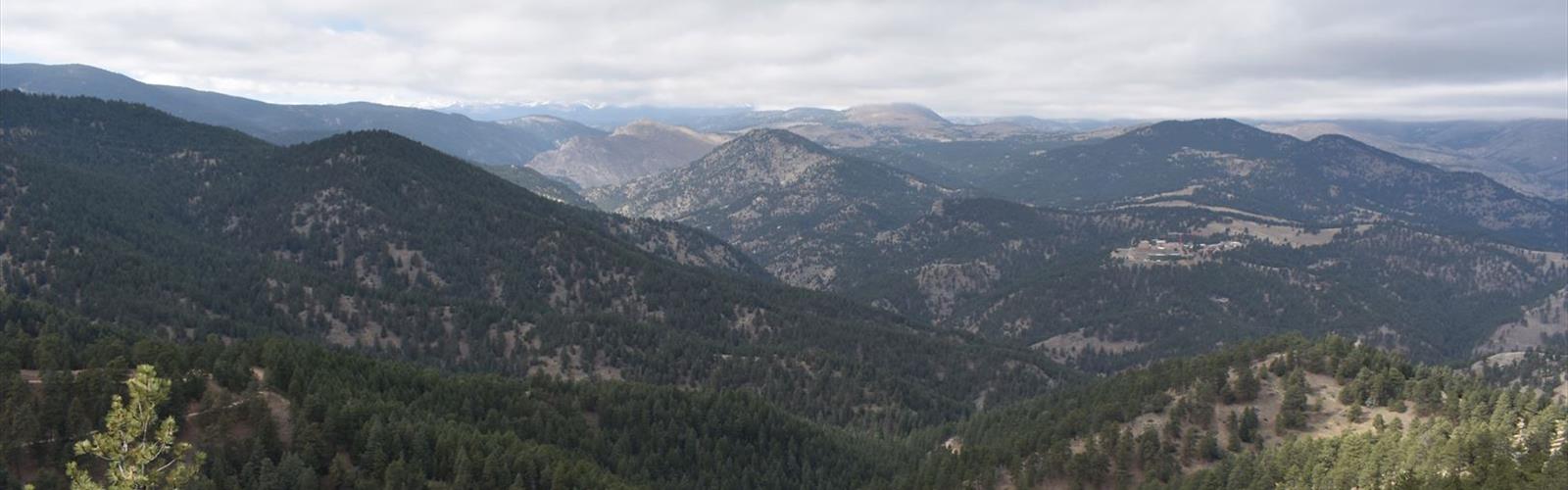

Ready to explore Flagstaff Mountain? Here's everything you need to know before you go!
Discover the trail
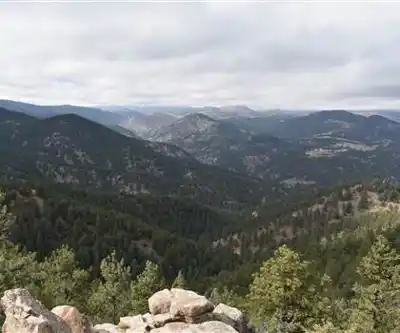
Trail description
Flagstaff Mountain rises from the heart of Maine's Western Mountains region, offering hikers a substantial 15-kilometer journey through some of the state's most diverse wilderness terrain. This mountain delivers an authentic Maine hiking experience without the crowds that flock to more famous peaks, making it an ideal choice for those seeking solitude alongside their summit views.
The trail system here accommodates hikers across the experience spectrum, with multiple route options that wind through dense hardwood and coniferous forests. As you progress along the well-maintained paths, you'll encounter the classic Maine woodland ecosystem—towering white pines, sugar maples, and birches create a natural canopy that provides welcome shade during summer months and transforms into a spectacular color show each fall.
The Hiking Experience
The 15-kilometer trail network offers flexibility in route planning, allowing you to customize your adventure based on time and energy levels. With 207 meters of elevation gain spread across the distance, the ascent feels manageable rather than punishing, making this an excellent choice for building endurance or introducing newcomers to Maine mountain hiking.
Most hikers complete the full circuit in approximately 4 hours and 15 minutes, though this timing allows for a steady pace with photo stops and brief rests. The terrain varies from gentle forest paths to rockier sections near the summit, providing enough variety to keep the hike engaging throughout. Root systems and occasional rocky outcroppings require attention, but nothing that demands technical hiking skills.
The moderate difficulty rating reflects the trail's accessibility to most hikers with basic fitness levels. While the distance might seem daunting to beginners, the gradual elevation profile means you're never facing steep, sustained climbs that leave you gasping for breath. Instead, the trail rolls through the landscape, offering natural rest points where the terrain levels out.
Wildlife sightings add an element of excitement to every visit. The diverse forest habitat supports white-tailed deer, red squirrels, and various songbird species. Early morning hikers often spot more wildlife, as animals tend to be most active before the day warms up. The changing seasons bring different opportunities—spring migration brings warblers and other songbirds, while fall offers the chance to observe animals preparing for winter.
Summit Views and Photography
The summit rewards your effort with panoramic views that showcase why Maine's Western Mountains region draws outdoor enthusiasts from across New England. On clear days, the vista extends across Flagstaff Lake, its waters reflecting the surrounding peaks and creating a mirror-like surface that photographers particularly appreciate. The lake view changes character throughout the day as light conditions shift, offering different photographic opportunities from sunrise through sunset.
Beyond the lake, the surrounding mountain landscape stretches to the horizon, providing context for Flagstaff Mountain's place within Maine's larger wilderness system. These views help hikers understand the scale and interconnectedness of the region's protected lands, making the summit an excellent spot for planning future adventures.
Photography enthusiasts will find numerous opportunities along the entire route, not just at the summit. The forest sections offer intimate shots of Maine's woodland character, while seasonal changes provide dramatically different subjects throughout the year. Macro photography works particularly well here, with wildflowers, fungi, and interesting bark textures providing close-up subjects.
Trail Conditions and Terrain
The trail surface varies considerably over the 15-kilometer distance, keeping hikers engaged and alert. You'll start on soft forest floor covered with pine needles and decomposing leaves, then transition to sections where exposed roots create natural steps and obstacles. Rocky areas become more frequent as you approach higher elevations, though these sections are well-marked and manageable with standard hiking boots.
Stream crossings punctuate the route, most easily navigated via stepping stones or small log bridges. During spring snowmelt or after heavy rains, these crossings can become more challenging, so waterproof boots prove their worth. The trail maintains good drainage overall, but expect muddy patches in low-lying areas, especially during wet seasons.
Seasonal Considerations
Fall transforms Flagstaff Mountain into one of Maine's premier foliage destinations. The mixed hardwood forest creates a natural tapestry of reds, oranges, and yellows that peaks typically in early to mid-October. During peak foliage season, the combination of colorful trees and lake views creates some of the most photogenic scenery in the Western Mountains region.
Spring brings its own rewards as the forest awakens from winter dormancy. Wildflowers emerge along the trail edges, and the fresh green of new leaves creates a vibrant backdrop for hiking. Summer offers the fullest canopy coverage and the warmest weather, though this also means the most insect activity—long pants and insect repellent become more important during these months.
Winter hiking is possible for those with appropriate gear and experience, though the trail character changes significantly with snow cover. The 207-meter elevation gain becomes more challenging in winter conditions, and the 4-hour-15-minute summer timeline typically extends considerably with snowshoes or microspikes required for safe travel.
Planning Your Visit
Water remains the most critical item for your pack, especially during warmer months when the 15-kilometer distance and physical exertion increase hydration needs. The trail doesn't offer reliable water sources, so carry more than you think you'll need. Energy snacks help maintain stamina over the longer distance, particularly if you plan to spend time at the summit enjoying the views.
A camera or smartphone captures the scenic highlights, but remember that the best views often require you to step away from the main trail for optimal vantage points. Basic first aid supplies make sense for any hike of this length, and a trail map helps with navigation, especially if you decide to explore alternative route options.
Sturdy hiking boots provide the ankle support and traction needed for the varied terrain, while layers allow you to adjust for changing conditions as you gain elevation and move between shaded forest sections and exposed areas. The Western Mountains region can experience rapid weather changes, so checking conditions before departure helps ensure a safe and enjoyable experience.
Birdwatching enthusiasts should bring binoculars to fully appreciate the diverse avian life, while those interested in plant identification will find field guides helpful for understanding the rich forest ecosystem that makes Flagstaff Mountain a standout destination in Maine's outdoor recreation landscape.
The Essential Hiking Checklist
Everything you need for your next hike. Bilingual, printable, 1 page.
Get your free hiking checklistRecommended gear for this trail
As an Amazon Associate I earn from qualifying purchases.


Ready to go?
Everything you need to know before you goStarting Point
The flagstaff mountain trails are located in the town of Flagstaff, Maine. To get to the start of the trails, take Route 1 north from Bangor and turn left onto Flagstaff Road. The trailhead is located at the end of the road.
When?
How much?
As an Amazon Associate I earn from qualifying purchases.
Affiliate links — LGPO may earn a commission at no extra cost to you.
- Hiking shoes Essential
- → Salomon Elixir Tour Mid WP · 203.38 $
- Layered clothing Essential
- Rain jacket Essential
- Trekking poles
- → Black Diamond Trail Ergo Cork · 69.99 $
- Headlamp
- → Petzl Actik Core 625 · 103.95 $
FAQ - Frequently asked questions
Everything you need to knowSimilar hikes nearby
Discover other trails you might enjoy
Long Mountain
Western Mountains
Pleasant Mountain
Western Mountains
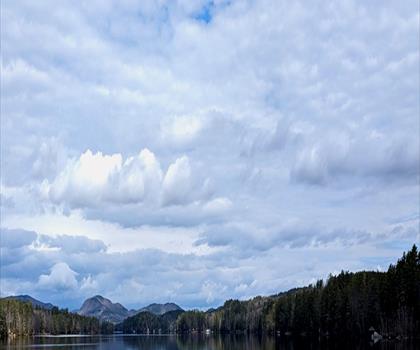
Witt's End Trail
Western Mountains
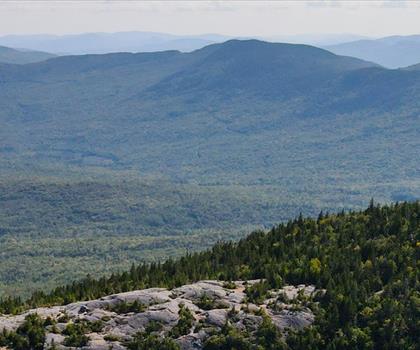
Tumbledown Mountain
Western Mountains
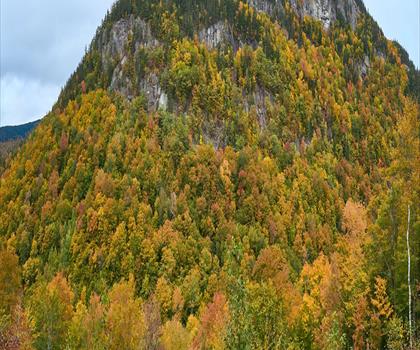
Royce Mt. Trailhead
Western Mountains
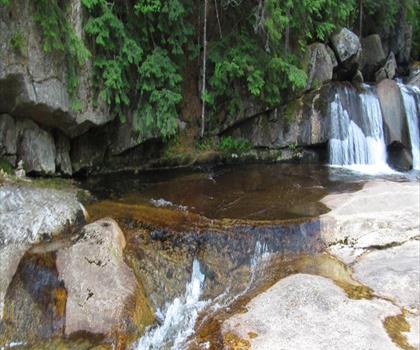
Screw Auger Falls
Western Mountains
Hiking near Sherbrooke
53 trails to explore ~126 km away
We work hard to provide the most up-to-date and error-free data possible. If something seems incorrect, let us know! Your contribution helps the whole community.
Hikers' opinions
Be the first to review!
No hiker has shared their experience yet. Share your impressions and help other hikers!