


Ready to explore Cape Cod National Seashore? Here's everything you need to know before you go!
Discover the trail

Trail description
Cape Cod National Seashore stretches across 43,000 acres of Massachusetts coastline, creating one of New England's most diverse hiking destinations. This protected landscape weaves together windswept beaches, dense pitch pine forests, salt marshes, and rolling dunes into a tapestry that changes dramatically with the seasons and tides.
The seashore's trail system caters to every type of hiker, from families with young children to experienced trekkers seeking a full day's adventure. What sets this area apart from other coastal destinations is how quickly the scenery shifts—you might start your hike in a sheltered forest, emerge onto open dunes where beach grass waves in the salt breeze, then find yourself walking along pristine shoreline where waves crash just feet away.
Trail Network and Terrain
The Great Island Trail stands out as the seashore's premier hiking experience for those seeking adventure. This trail demands respect—it winds through a constantly changing landscape of sandy dunes and wooded areas before delivering you to some of the most breathtaking coastline views on Cape Cod. The sandy terrain can be surprisingly challenging, especially when crossing the dunes where your feet sink with each step. The payoff comes in the form of sweeping ocean vistas and the sense of walking through an untouched coastal wilderness.
For a more relaxed but equally rewarding experience, the Fort Hill Trail offers something special. This gentler route provides panoramic vistas of Nauset Marsh, where the intricate network of tidal channels creates an ever-changing mosaic of water and marsh grass. From the trail's elevated sections, you can watch the Atlantic Ocean stretch to the horizon while observing how the marsh ecosystem thrives in the space between land and sea.
The terrain throughout the seashore varies more than many visitors expect. Sandy sections can slow your pace and work different muscle groups than typical forest trails. You'll encounter everything from soft, deep sand that challenges your calves and ankles to packed surfaces that provide easier walking. Boardwalks and wooden bridges cross sensitive marsh areas, protecting the fragile ecosystem while giving you front-row seats to observe wildlife. Some trails follow old cart roads through dense forests where the canopy provides welcome shade on hot summer days, while beach sections allow for firm walking on packed sand during low tide.
The Hiking Experience
Walking these trails connects you to the raw power of the Atlantic Ocean in ways that few other hiking destinations can match. The constant sound of waves provides a natural soundtrack, while salt air fills your lungs with each breath. On windy days, you'll feel the ocean's presence even when hiking through inland sections, as salt spray carries on the breeze and beach grass rustles around you.
The elevation changes here are subtle but meaningful. While you won't find towering peaks, the gentle rises and falls of the dunes create surprising viewpoints where the entire seashore spreads out before you. These vantage points reveal the intricate relationship between land and sea—how marshes finger inland, how barrier beaches protect quiet waters, and how the forest gradually gives way to increasingly hardy coastal vegetation.
Weather plays a major role in shaping your experience. Fog can roll in quickly, transforming familiar landscapes into mysterious, muffled worlds where lighthouse horns become your primary navigation aid. Clear days offer visibility that extends far out to sea, where you might spot fishing boats, whales, or the distinctive silhouettes of offshore islands.
Wildlife and Natural Features
The seashore's position along the Atlantic Flyway makes it exceptional for wildlife viewing throughout the year. Seals regularly haul out on the beaches and sandbars, particularly during pupping season. Their presence adds an element of excitement to any coastal walk, though visitors should maintain respectful distances from these marine mammals.
Migratory birds use this area as a crucial stopover point, creating spectacular viewing opportunities during spring and fall migrations. The diverse habitats—from open ocean to protected marshes to dense forests—support an impressive variety of species. Shorebirds probe the sand and mud flats during low tide, while raptors hunt over the dunes and marshes. The changing seasons bring different species, making repeat visits rewarding for both casual observers and serious birders.
The plant communities here tell the story of life in a harsh coastal environment. Beach grass stabilizes the dunes with its extensive root system, while salt-tolerant plants like seaside goldenrod and beach pea add splashes of color to the sandy landscape. In the protected areas behind the dunes, pitch pine and scrub oak forests create a completely different world, one adapted to sandy soils and salt spray carried on ocean winds.
Historical Significance
The seashore preserves not just natural landscapes but also centuries of human history. The Highland Light Lighthouse serves as a prominent landmark and reminder of Cape Cod's maritime heritage. This area has witnessed shipwrecks, whaling expeditions, and the daily lives of fishing communities that depended on these waters for their survival.
Many of the trails follow routes used by Native Americans and early settlers, connecting you to generations of people who traveled these same paths for fishing, hunting, and trade. Walking these historic routes adds depth to your hiking experience, as you're literally following in the footsteps of those who shaped this landscape over thousands of years.
Planning Your Visit
The seashore offers dramatically different experiences depending on when you visit. Summer brings warm weather perfect for combining hiking with beach time, but also crowds that can fill parking areas early in the day. Fall migration periods offer some of the best wildlife viewing, while spring brings wildflowers and the return of many bird species. Winter hiking provides solitude and stark beauty, though weather conditions require more preparation and appropriate gear.
The sandy terrain and coastal exposure mean that conditions can change quickly. Sun protection becomes crucial on the open dunes and beaches where there's little shade. Wind can be a significant factor, particularly during storms or in winter, when it carries salt spray and can create challenging conditions even on seemingly calm days.
Water availability varies by trail and season, so carrying adequate supplies is essential. The combination of sun, wind, and physical exertion in sandy conditions can lead to faster dehydration than many hikers expect. Photography opportunities abound throughout the seashore, from intimate marsh scenes to sweeping coastal panoramas, with early morning and late afternoon providing particularly dramatic lighting conditions.
The Essential Hiking Checklist
Everything you need for your next hike. Bilingual, printable, 1 page.
Get your free hiking checklistRecommended gear for this trail
As an Amazon Associate I earn from qualifying purchases.


Ready to go?
Everything you need to know before you goStarting Point
The easiest way to get to the start of the trails at the cape cod national seashore is to drive to the Province Lands Visitor Center.
When?
How much?
As an Amazon Associate I earn from qualifying purchases.
Affiliate links — LGPO may earn a commission at no extra cost to you.
- Hiking shoes Essential
- → Salomon Elixir Tour Mid WP · 203.38 $
- Layered clothing Essential
- Rain jacket Essential
- Trekking poles
- → Black Diamond Trail Ergo Cork · 69.99 $
- Headlamp
- → Petzl Actik Core 625 · 103.95 $
FAQ - Frequently asked questions
Everything you need to knowSimilar hikes nearby
Discover other trails you might enjoy
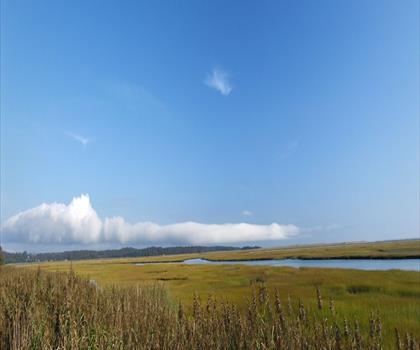
Fort Hill Trail
Cape Cod
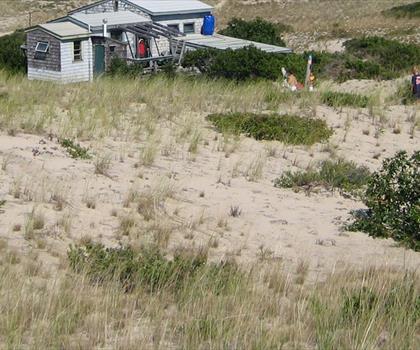
Dune Shacks Trail
Cape Cod
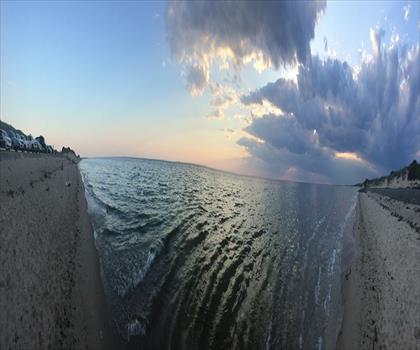
Hatches Harbor Trail
Cape Cod

Great Island Trail
Cape Cod
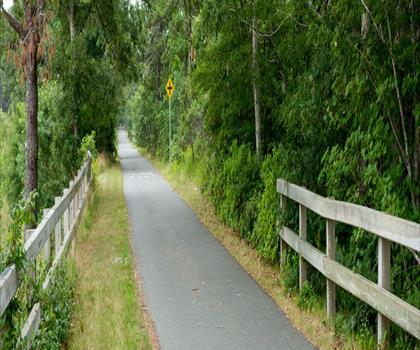
Cape Cod Rail Trail
Cape Cod

Doane's Falls
Cape Cod
Hiking near Boston
0 trails to explore ~93 km away
We work hard to provide the most up-to-date and error-free data possible. If something seems incorrect, let us know! Your contribution helps the whole community.
Hikers' opinions
Be the first to review!
No hiker has shared their experience yet. Share your impressions and help other hikers!