

Ready to explore Dune Shacks Trail? Here's everything you need to know before you go!
Discover the trail
Oh no! We don't have any photos 😢
This trail hasn't been captured yet. Be the first to share your adventure!Trail description
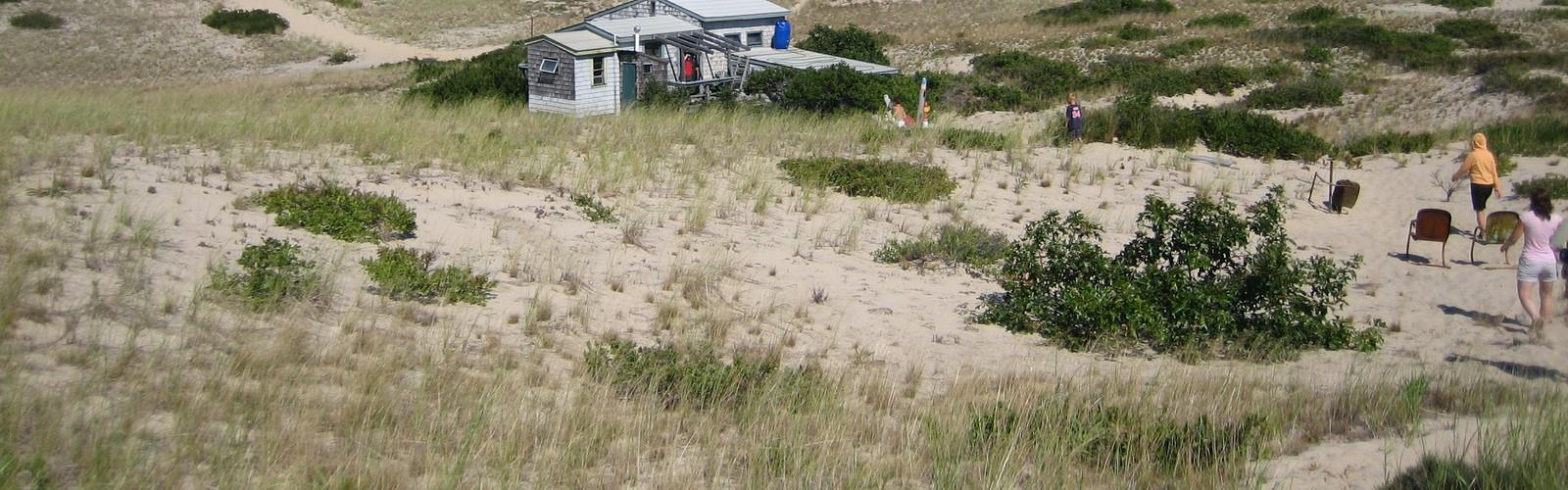
The Dune Shacks Trail winds through one of Cape Cod's most distinctive landscapes, where rolling sand dunes meet the wild Atlantic coastline. This 2-mile round trip hike takes you deep into the protected backcountry of Cape Cod National Seashore, where weathered wooden shacks emerge from the dunes like artifacts from another era. Unlike the crowded beaches and tourist trails elsewhere on the Cape, this route offers genuine solitude and a chance to experience the raw, shifting terrain that defines the Outer Cape's character.
The trail itself follows sandy paths that wind between towering dunes, some rising 60 feet above sea level. Walking here feels like traversing a miniature desert that happens to smell of salt air. The sand beneath your feet shifts constantly, sculpted by ocean winds that have been reshaping this landscape for thousands of years. On clear days, you'll catch glimpses of the Atlantic stretching endlessly eastward, while the dunes create an intimate, enclosed world that muffles sound and slows your pace naturally.
The Historic Dune Shacks
Scattered along the trail route, the historic dune shacks represent one of America's most unusual artist colonies. Since the early 1900s, these simple wooden structures have provided retreat space for writers, painters, and creative thinkers seeking inspiration in isolation. The shacks have no electricity or running water, forcing residents to live simply and focus on their work. Famous visitors have included poets, novelists, and visual artists who found that the stark beauty and complete quiet of the dunes sparked their most productive periods.
While you can't enter the occupied shacks, you'll spot several along your route. Each one tells a story through its weathered boards, makeshift repairs, and the personal touches visible from the outside. Some lean precariously against the wind, while others seem to have found perfect shelter in natural dune hollows. The contrast between these humble human structures and the vast, ever-changing landscape around them creates a powerful sense of place that explains why so many artists have been drawn here.
Terrain and Trail Conditions
This moderate hike presents unique challenges that set it apart from typical New England trails. Instead of rocky roots and muddy sections, you'll navigate deep, soft sand that can quickly tire your legs and ankles. The trail follows designated paths to protect the fragile dune ecosystem, but these routes aren't always obvious. Wooden posts and occasional signs mark the way, though wind-blown sand sometimes obscures the path between markers.
The undulating terrain means constant ups and downs as you climb over dune ridges and descend into protected valleys. Some sections require scrambling up steep sandy slopes where each step slides backward slightly. The effort pays off with spectacular views from the dune crests, where you can see the trail snaking ahead through the sandy landscape and catch sight of the ocean beyond.
Weather dramatically affects trail conditions. After storms, sand may completely cover familiar landmarks, while strong winds can create sandstorms that make hiking unpleasant or even dangerous. On calm days, the silence is profound, broken only by distant waves and the whisper of wind through beach grass.
Wildlife and Plant Life
The dune ecosystem supports a surprising variety of life adapted to harsh, sandy conditions. Beach grass dominates the landscape, its deep root systems holding the dunes together against constant wind erosion. Bayberry bushes dot the terrain with their waxy gray berries, while beach pea vines add splashes of purple flowers in summer. These hardy plants have evolved specific strategies for surviving in shifting sand, salt spray, and intense sun exposure.
Birdwatchers should bring binoculars to spot the specialized species that nest in this environment. Piping plovers, small shorebirds with distinctive black bands around their necks, nest directly on the sand and are fiercely protected during breeding season. Terns dive for fish in nearby waters, while hawks and owls hunt from perches on the few stunted trees that manage to survive in the dunes.
The area also supports various small mammals and reptiles that have adapted to the sandy environment. You might spot tracks from foxes, rabbits, or mice in the sand, though the animals themselves often remain hidden during daylight hours.
Planning Your Visit
Late spring through early fall offers the most comfortable hiking conditions, with mild temperatures and generally stable weather. Summer brings the warmest conditions but also the most visitors, though this trail remains much less crowded than other Cape Cod attractions. Fall hiking can be spectacular, with fewer people and dramatic storm systems moving offshore, but weather becomes more unpredictable.
Winter hiking is possible but challenging, as snow and ice can make the sandy terrain treacherous, and bitter coastal winds make exposure a serious concern. Spring visits may encounter muddy conditions in low-lying areas where snowmelt collects.
Access to certain areas requires permits, particularly during bird nesting season when sections may be temporarily closed to protect wildlife. Check with Cape Cod National Seashore rangers before your visit to confirm current access restrictions and permit requirements. These regulations change seasonally and help preserve the delicate balance between public access and environmental protection.
Sturdy hiking boots or shoes with good ankle support are essential for navigating the soft sand safely. Bring more water than you think you'll need, as the combination of sun exposure, wind, and physical exertion in sand can quickly lead to dehydration. Sun protection is critical since the open dunes offer little shade, and sand reflects additional UV radiation.
The Leave No Trace principles are especially important here, where any disturbance to vegetation or wildlife habitat can have lasting effects on this fragile ecosystem. Pack out all trash, stay on designated trails, and resist the temptation to climb on or explore the historic shacks, which remain private property even within the national seashore boundaries.
The Essential Hiking Checklist
Everything you need for your next hike. Bilingual, printable, 1 page.
Get your free hiking checklistRecommended gear for this trail
As an Amazon Associate I earn from qualifying purchases.


Ready to go?
Everything you need to know before you goStarting Point
The easiest way to get to the start of the trails at the dune shacks trail is to drive to the end of Race Point Road in Provincetown, MA. There is a small parking lot at the end of the road where you can park your car. From there, you can walk or bike the trails to the start of the dune shacks trail.
When?
How much?
As an Amazon Associate I earn from qualifying purchases.
Affiliate links — LGPO may earn a commission at no extra cost to you.
- Hiking shoes Essential
- → Salomon Elixir Tour Mid WP · 203.38 $
- Layered clothing Essential
- Rain jacket Essential
- Trekking poles
- → Black Diamond Trail Ergo Cork · 69.99 $
- Headlamp
- → Petzl Actik Core 625 · 103.95 $
FAQ - Frequently asked questions
Everything you need to knowSimilar hikes nearby
Discover other trails you might enjoy
Fort Hill Trail
Cape Cod
Hatches Harbor Trail
Cape Cod

Great Island Trail
Cape Cod
Cape Cod Rail Trail
Cape Cod
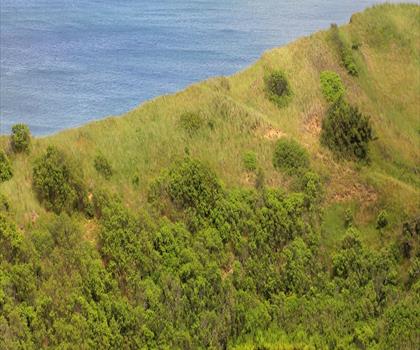
Cape Cod National Seashore
Cape Cod
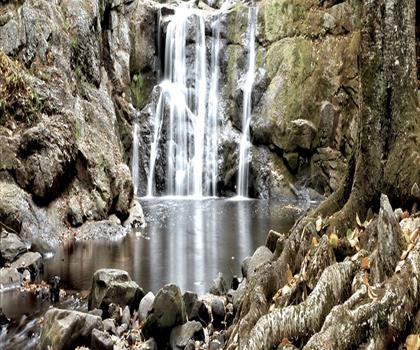
Doane's Falls
Cape Cod
Hiking near Boston
0 trails to explore ~81 km away
We work hard to provide the most up-to-date and error-free data possible. If something seems incorrect, let us know! Your contribution helps the whole community.
Hikers' opinions
Be the first to review!
No hiker has shared their experience yet. Share your impressions and help other hikers!