

Ready to explore Sandy Neck Beach? Here's everything you need to know before you go!
Discover the trail

Oh no! We don't have any photos 😢
This trail hasn't been captured yet. Be the first to share your adventure!Trail description
Description
Sandy Neck Beach stretches across 4,700 acres of barrier beach landscape on Cape Cod, creating one of Massachusetts' most diverse coastal hiking destinations. This expansive natural area combines sandy shoreline, rolling dunes, maritime forest, and salt marsh ecosystems into a single accessible location that rewards hikers with constantly changing scenery and wildlife viewing opportunities.
The beach's unique position as a barrier formation means you'll experience two distinct water environments during your visit. Cape Cod Bay dominates the northern shoreline with its calmer waters and expansive views, while the protected Great Marsh system spreads inland, creating habitat for waterfowl and wading birds. Between these water features, the landscape rises into stabilized dunes covered with beach grass and scattered patches of maritime forest where pitch pine and oak trees have adapted to the salt-influenced environment.
Main Hiking Route
The Sandy Neck Trail serves as the primary hiking route, covering approximately 6 miles round trip along the spine of the barrier beach. This trail follows an old sand road that provides firm footing while offering access to both the bay side and marsh side environments. The path remains relatively level throughout, making it accessible for hikers of varying experience levels, though the distance requires reasonable fitness and preparation.
Starting from the main access point, the trail initially passes through low dune areas where beach grass and rosa rugosa create natural windbreaks. As you progress eastward, the landscape opens up to reveal sweeping views across Cape Cod Bay. On clear days, you can see across the water to the mainland Massachusetts coast. The trail's elevated position above the surrounding marsh provides excellent vantage points for photography and wildlife observation.
The return portion of the hike offers different perspectives on the same landscape, as changing light conditions and tidal levels alter the appearance of both the bay and marsh areas. Many hikers find the return journey reveals details they missed on the outbound leg, particularly regarding bird activity and plant communities.
Interior Trail Options
Beyond the main Sandy Neck Trail, a network of interior paths winds through the maritime forest and salt marsh edges. These secondary routes provide more intimate hiking experiences away from the main trail traffic. The forest sections feature mature pitch pines that have been shaped by decades of salt wind, creating distinctive twisted forms that characterize Cape Cod's coastal woodlands.
These interior trails connect various habitat zones, allowing hikers to experience the full range of plant communities that thrive in this coastal environment. The paths through salt marsh areas are particularly rewarding during migration seasons when waterfowl use these protected waters as feeding and resting areas. The trail system's design allows for loop combinations that can extend your hiking time while providing varied terrain and scenery.
Wildlife and Natural Features
Sandy Neck's diverse habitats support an impressive array of wildlife that hikers regularly encounter. White-tailed deer are common throughout the area, often visible in early morning or late afternoon hours. Red foxes hunt in the dune areas and along marsh edges, though they're more elusive than the deer population. The bird diversity is particularly notable, with both resident and migratory species using different parts of the preserve throughout the year.
Raptors including northern harriers and red-tailed hawks hunt over the marsh areas, while shorebirds work the tidal edges during appropriate seasons. The maritime forest sections attract songbirds, and the open dune areas provide habitat for species adapted to sandy, windswept conditions. This variety means that each hiking visit can produce different wildlife sightings depending on season, weather, and time of day.
The plant communities themselves tell the story of adaptation to coastal conditions. Beach grass stabilizes the dunes while salt-tolerant shrubs create transition zones between the sandy areas and forest patches. Understanding these plant relationships enhances the hiking experience by revealing how different species have evolved to thrive in this challenging environment.
Additional Activities and Camping
While hiking forms the primary activity, Sandy Neck Beach accommodates other outdoor pursuits that can complement your trail experience. The pristine sandy shoreline invites beachcombing, particularly after storms when interesting shells and sea glass wash ashore. The varied habitats make this an excellent location for dedicated birdwatching, with binoculars being essential equipment for maximizing wildlife observation opportunities.
Designated camping areas allow for overnight stays, transforming a day hike into a more immersive outdoor experience. Camping here means falling asleep to the sound of waves and waking to sunrise over Cape Cod Bay. The overnight option is particularly valuable for photographers seeking optimal lighting conditions and for hikers who want to experience the area during different times of day when wildlife activity patterns change.
The beach areas provide opportunities for relaxation after completing trail segments, and the firm sand near the water line offers additional walking routes for those who prefer beach hiking to trail hiking. This flexibility makes Sandy Neck suitable for groups with varying interests and activity preferences.
Planning Your Visit
The 6-mile round trip on the main trail typically requires 3 to 4 hours, though this timing can vary significantly based on your pace, wildlife viewing stops, and weather conditions. Strong headwinds can slow progress considerably, while calm conditions make for easier walking. The exposed nature of much of the trail means weather plays a significant role in hiking comfort and safety.
Proper preparation includes bringing adequate water, as no sources are available along the trails. Sun protection is essential due to limited shade and reflection off sand and water. Sturdy hiking footwear helps with stability in sandy conditions, though the trail surfaces are generally firm enough for standard hiking boots rather than specialized sand gear.
Ready to go?
Everything you need to know before you goStarting Point
The sandy neck beach is located in Barnstable, Massachusetts. To get to the start of the trails, take exit 6 from Route 6 and head south on Sandy Neck Road. The entrance to the beach will be on your right.
When?
How much?
- Hiking shoes Essential
- Layered clothing Essential
- Rain jacket Essential
- Trekking poles
- Headlamp
FAQ - Frequently asked questions
Everything you need to knowThe Essential Hiking Checklist
Everything you need for your next hike. Bilingual, printable, 1 page.
Download the free checklistSimilar hikes nearby
Discover other trails you might enjoy
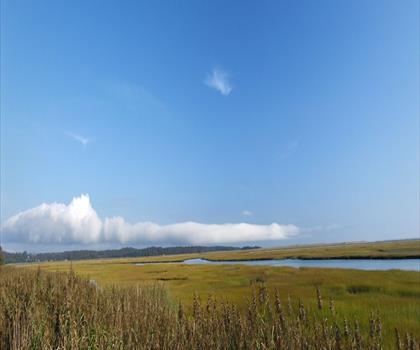
Fort Hill Trail
Cape Cod
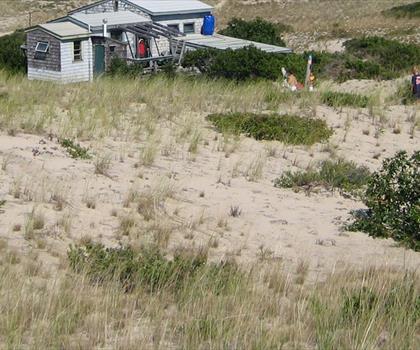
Dune Shacks Trail
Cape Cod

Hatches Harbor Trail
Cape Cod
Great Island Trail
Cape Cod
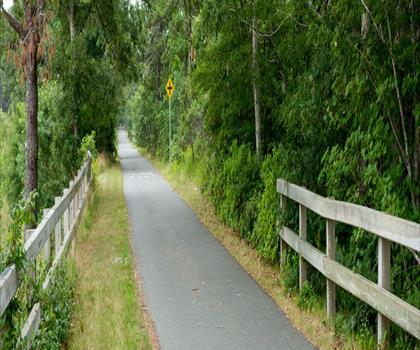
Cape Cod Rail Trail
Cape Cod

Cape Cod National Seashore
Cape Cod
Hiking near Providence
0 trails to explore ~86 km away
We work hard to provide the most up-to-date and error-free data possible. If something seems incorrect, let us know! Your contribution helps the whole community.
Hikers' opinions