

Ready to explore nashua river rail trail? Here's everything you need to know before you go!
Discover the trail

Trail description
The Nashua River Rail Trail cuts a scenic 12-mile path from Ayer, Massachusetts, to Nashua, New Hampshire, following the corridor of a former railroad line. This converted rail-trail offers one of the region's most accessible multi-use recreational experiences, with a flat, well-maintained surface that welcomes hikers, cyclists, and families looking for an easy outdoor adventure.
Built on the former Hollis Branch of the Boston and Maine Railroad, the trail maintains the gentle grades that made rail travel possible. You'll encounter virtually no steep climbs or technical terrain—just a steady, comfortable path that lets you focus on the surrounding landscape rather than watching your footing. The crushed stone and paved sections provide solid footing year-round, though conditions vary slightly between the Massachusetts and New Hampshire portions.
Trail Experience and Terrain
The trail's character shifts as you move between different ecosystems and land uses. Dense forest canopy provides shade for much of the route, opening periodically to reveal wetland areas where the Nashua River meanders nearby. These clearings offer some of the trail's best wildlife viewing opportunities and scenic photography spots.
Water features prominently throughout your journey. The trail crosses several streams and passes close enough to the Nashua River to hear flowing water during quieter moments. Wooden bridges span the larger waterways, and these crossing points often provide elevated views of the surrounding wetlands and forest.
The flat terrain makes this trail particularly appealing for covering longer distances without the fatigue that comes with elevation changes. Many visitors use the trail for extended walks or bike rides, taking advantage of the ability to maintain a steady pace while enjoying the scenery. The railroad heritage means you'll encounter gentle curves rather than sharp turns, creating a flowing experience that feels natural and unhurried.
The trail surface alternates between crushed stone and paved sections, with the majority being well-compacted and suitable for various footwear. The consistent width accommodates multiple users comfortably, and the gentle railroad grade means you can focus on the surroundings rather than navigating challenging terrain.
Wildlife and Natural Features
The diverse habitats along the Nashua River Rail Trail support an impressive variety of wildlife. Birdwatchers regularly spot herons fishing in the wetland areas, while hawks patrol the skies above the forest openings. The mix of mature forest, wetlands, and edge habitats creates ideal conditions for observing different species throughout the day.
Deer frequently cross the trail, particularly during early morning and evening hours. The corridor's width and the adjacent forest provide them with both travel routes and feeding areas. Smaller wildlife includes various songbirds, woodpeckers, and the occasional turkey sighting.
The wetland sections showcase seasonal changes dramatically. Spring brings emerging vegetation and increased bird activity, while summer offers full canopy cover and active wildlife. Fall transforms the deciduous trees into a corridor of changing colors, and winter reveals the trail's underlying structure when the leaves are gone.
The proximity to the Nashua River creates a riparian environment that supports both aquatic and terrestrial species. You'll notice how the vegetation changes as you move closer to and farther from water sources, creating distinct micro-environments along your walk.
Seasonal Considerations
Each season brings distinct advantages to hiking the Nashua River Rail Trail. Spring offers mild temperatures and emerging foliage, though some sections may be muddy from snowmelt and spring rains. The wetland areas come alive with returning migratory birds and fresh green growth.
Summer provides full shade from the mature tree canopy, making even warm days comfortable for walking or cycling. The dense foliage creates a tunnel-like effect in some sections, offering natural air conditioning and protection from sun exposure.
Fall delivers spectacular foliage displays, particularly in the mixed hardwood sections. The flat terrain and open sight lines make this an excellent trail for enjoying autumn colors without the crowds that flock to more mountainous areas. The linear nature allows you to experience gradual color changes as you progress along the route.
Winter use is possible, though the trail isn't officially maintained for snow activities. Some visitors enjoy snowshoeing or winter walking when conditions permit, and the bare trees reveal views of the landscape structure that remain hidden during leafy seasons.
Access Points and Planning
Multiple access points along the route allow you to customize your experience based on available time and energy. Ayer Station in Massachusetts provides convenient parking and serves as a popular starting point for those beginning from the southern end. The station area includes basic facilities and connects to other local transportation options.
Yudicky Farm Conservation Area offers another well-established access point with parking facilities. This northern access point provides a different perspective on the trail and allows visitors to explore different sections without committing to the full distance.
Additional parking areas exist at various road crossings, giving you flexibility in planning shorter segments or one-way trips with car shuttles. The trail's linear nature makes it easy to plan out-and-back hikes of any desired length, from short family walks to longer endurance outings.
Multi-Use Trail Dynamics
The trail's flat profile and stable surface make it exceptionally family-friendly. Strollers handle the terrain well on most sections, and young children can walk or bike significant distances without encountering obstacles or challenging terrain. The predictable conditions help parents plan appropriate distances for different age groups.
Cyclists share the trail with pedestrians, and the width generally accommodates both uses comfortably. The smooth surface appeals to road cyclists looking for a car-free route, while the scenery attracts recreational riders. Peak usage times on weekends may see more cyclist traffic, but the trail's design handles mixed use effectively.
Plan to bring water and snacks, as services along the trail are limited. The railroad corridor design means you'll have consistent conditions throughout your journey, making it easier to predict your pace and energy needs. A camera proves worthwhile for capturing the varied landscapes and potential wildlife encounters you'll experience along this converted railroad corridor.
The Essential Hiking Checklist
Everything you need for your next hike. Bilingual, printable, 1 page.
Get your free hiking checklistRecommended gear for this trail
As an Amazon Associate I earn from qualifying purchases.


Ready to go?
Everything you need to know before you goStarting Point
The nashua river rail trail is located in Massachusetts. To get to the start of the trails, take exit 37 off of I-495 and head east on Route 110. The trailhead will be on your right.
When?
How much?
As an Amazon Associate I earn from qualifying purchases.
Affiliate links — LGPO may earn a commission at no extra cost to you.
- Hiking shoes Essential
- → Salomon Elixir Tour Mid WP · 203.38 $
- Layered clothing Essential
- Rain jacket Essential
- Trekking poles
- → Black Diamond Trail Ergo Cork · 69.99 $
- Headlamp
- → Petzl Actik Core 625 · 103.95 $
FAQ - Frequently asked questions
Everything you need to knowSimilar hikes nearby
Discover other trails you might enjoy

Crow Hill North Parking Area
Central Massachusetts
Tully Lake
Central Massachusetts
Blackstone River and Canal Heritage State Park
Central Massachusetts
Quabbin Reservoir
Central Massachusetts
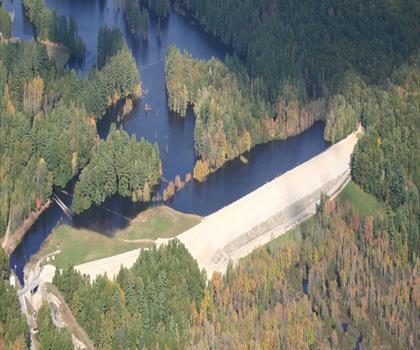
West Hill Dam
Central Massachusetts
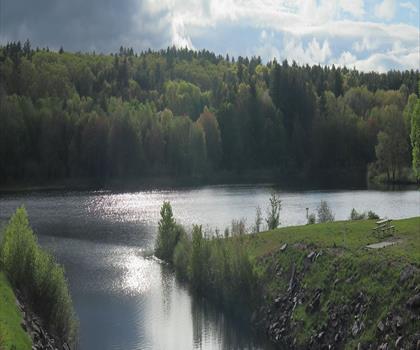
Buffumville Lake
Central Massachusetts
Hiking near Manchester
0 trails to explore ~38 km away
We work hard to provide the most up-to-date and error-free data possible. If something seems incorrect, let us know! Your contribution helps the whole community.
Hikers' opinions
Be the first to review!
No hiker has shared their experience yet. Share your impressions and help other hikers!