
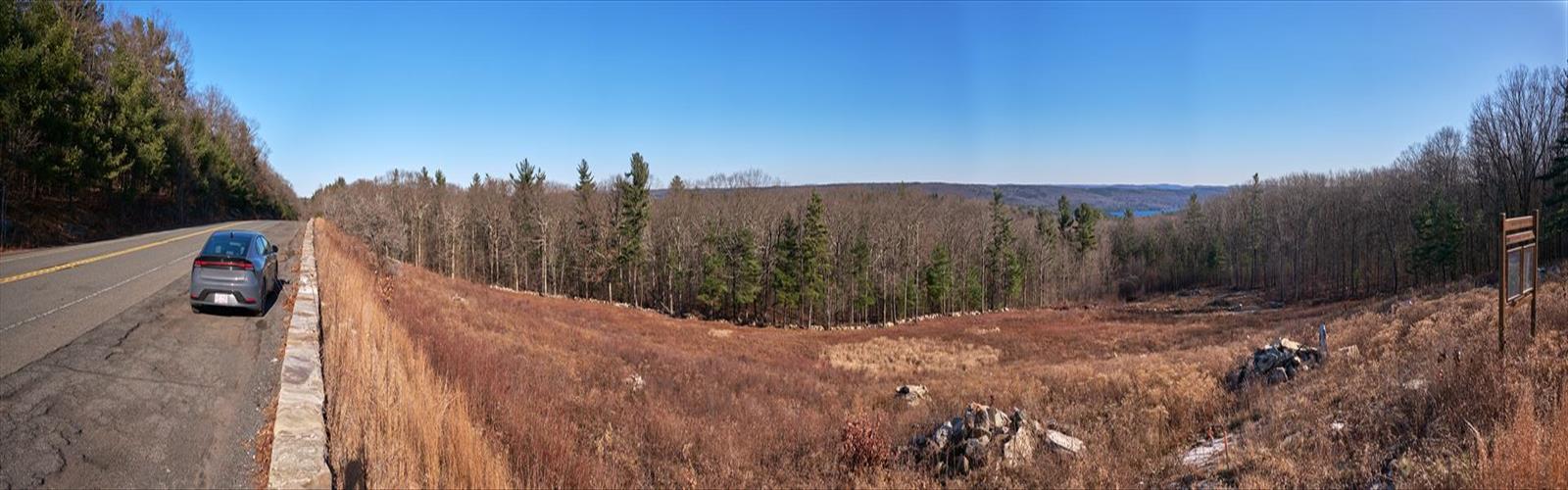

Ready to explore Quabbin Reservoir? Here's everything you need to know before you go!
Discover the trail

Photos: Chris Rycroft from Madison, Wisconsin, United States — CC BY 2.0 (Wikimedia Commons)
Trail description
The Quabbin Reservoir stands as one of central Massachusetts' most rewarding hiking destinations, offering a unique blend of wilderness experience and historical significance just an hour from Boston. This massive 38-square-mile reservoir serves as the primary water supply for the metropolitan area, but its protected status has created an unexpected paradise for hikers seeking pristine forests, wildlife viewing, and panoramic water views.
What sets Quabbin apart from other New England hiking areas is its sheer scale and the diversity of experiences packed into one location. With 181 miles of undeveloped shoreline winding through protected watershed lands, you'll find everything from easy lakeside strolls to challenging forest climbs, all within a landscape that feels remarkably wild despite its proximity to major population centers.
Trail Options and Terrain
The trail system at Quabbin caters to every skill level, with the terrain varying dramatically depending on your chosen route. Gentle walks along the water's edge follow old carriage roads and offer relatively flat terrain perfect for families or those seeking a peaceful nature walk. These shoreline paths provide constant water views and excellent opportunities for wildlife spotting without demanding technical hiking skills.
For hikers seeking more challenge, the forested trails climb through dense mixed hardwood and coniferous forests typical of central Massachusetts. The terrain here features rolling hills, rocky outcroppings, and seasonal stream crossings that add variety to your hiking experience. The forest canopy creates a cathedral-like atmosphere, particularly striking during fall foliage season when maples and oaks explode in brilliant reds and golds.
The crown jewel of the trail system is the Quabbin Hill Trail, which leads to the summit of Quabbin Hill. This moderately challenging hike rewards your effort with panoramic views that stretch across the entire reservoir and into the surrounding Massachusetts countryside. The summit provides an ideal spot for extended breaks, photography, or picnicking while taking in some of the finest vistas in central New England. On clear days, the view encompasses not just the immediate reservoir but distant mountain ranges that define the region's character.
The Hiking Experience
Walking the trails at Quabbin feels like stepping into a different world, where the sounds of civilization fade into bird calls and rustling leaves. The well-maintained trail network includes both blazed hiking paths and old woods roads that once connected the flooded towns, creating a variety of walking surfaces from packed earth to rocky single-track.
The reservoir's size means you can hike for hours without retracing your steps, exploring different sections that each offer their own character. Morning hikers often encounter mist rising from the water's surface, creating an almost mystical atmosphere as the sun filters through the forest canopy. The protected watershed status ensures that trails remain uncrowded even on busy weekends, providing a sense of solitude that's increasingly rare in accessible outdoor spaces.
Trail markers and interpretive signs help orient visitors while sharing insights about both the natural environment and the area's complex history. The combination of easy navigation and varied terrain makes Quabbin an ideal destination for hikers looking to build their skills or simply enjoy a peaceful day outdoors without the stress of difficult route-finding.
Wildlife and Natural Features
Quabbin's protected status has created a wildlife sanctuary that rivals any in New England. The absence of development and restricted access has allowed animal populations to flourish in ways rarely seen in such an accessible location. White-tailed deer are commonly spotted throughout the area, often appearing along trails in early morning or late afternoon hours.
Birdwatchers will find Quabbin particularly rewarding, with bald eagles regularly soaring over the water and nesting in tall pines along the shoreline. The reservoir's fish population supports these magnificent raptors, and patient observers often witness dramatic fishing displays. The diverse forest habitat also supports numerous songbird species, making spring and early summer visits particularly melodious.
More elusive residents include bobcats, black bears, and even the occasional moose, though sightings require patience and luck. The varied habitat—from wetlands to mature forest to rocky ledges—creates niches for an impressive array of wildlife that makes every hike feel like a potential nature documentary.
Historical Significance
Hiking at Quabbin means walking through a landscape shaped by one of the most dramatic infrastructure projects in American history. Created in the 1930s through the deliberate flooding of four entire towns—Dana, Enfield, Greenwich, and Prescott—the reservoir represents both human engineering achievement and profound community sacrifice.
As you explore the trails, you'll encounter tangible remnants of these lost communities. Stone foundations emerge from the forest floor, old cellar holes mark former homesteads, and abandoned roads now serve as hiking trails. These discoveries add a poignant dimension to your outdoor experience, connecting you to the thousands of residents who were relocated to create this essential water supply.
The flooding displaced 2,500 people and submerged 7,500 acres of farmland and forest, creating the massive water body you see today. This history gives weight to every vista and adds depth to the wilderness experience that few other hiking destinations can match.
Planning Your Visit
Before heading out on the trails, stop at one of the visitor centers where knowledgeable staff provide current trail maps, condition updates, and wildlife activity reports. These centers serve as excellent starting points for planning your route based on your group's abilities and interests.
Trail conditions vary seasonally, with spring bringing muddy conditions but excellent wildflower displays, summer offering the best wildlife viewing opportunities, fall providing spectacular foliage, and winter creating opportunities for snowshoeing and cross-country skiing on many of the same routes.
The reservoir's protected watershed status means certain regulations apply to all visitors. Swimming, boating, and camping are prohibited, and dogs must remain leashed at all times. These restrictions help maintain the pristine water quality that makes Quabbin such an important resource while preserving the wilderness character that makes hiking here so special.
Following Leave No Trace principles is particularly important at Quabbin, where the dual mission of water protection and recreation requires extra care from all visitors. Pack out all trash, stay on designated trails, and respect wildlife by observing from appropriate distances to ensure this remarkable landscape remains pristine for future generations of hikers to discover and enjoy.
The Essential Hiking Checklist
Everything you need for your next hike. Bilingual, printable, 1 page.
Get your free hiking checklistRecommended gear for this trail
As an Amazon Associate I earn from qualifying purchases.


Ready to go?
Everything you need to know before you goStarting Point
The quabbin reservoir is located in central Massachusetts. The best way to get there is to take Route 9 west from Boston and then take the Route 202 exit.
When?
How much?
As an Amazon Associate I earn from qualifying purchases.
Affiliate links — LGPO may earn a commission at no extra cost to you.
- Hiking shoes Essential
- → Salomon Elixir Tour Mid WP · 203.38 $
- Layered clothing Essential
- Rain jacket Essential
- Trekking poles
- → Black Diamond Trail Ergo Cork · 69.99 $
- Headlamp
- → Petzl Actik Core 625 · 103.95 $
FAQ - Frequently asked questions
Everything you need to knowSimilar hikes nearby
Discover other trails you might enjoy

Crow Hill North Parking Area
Central Massachusetts
Tully Lake
Central Massachusetts
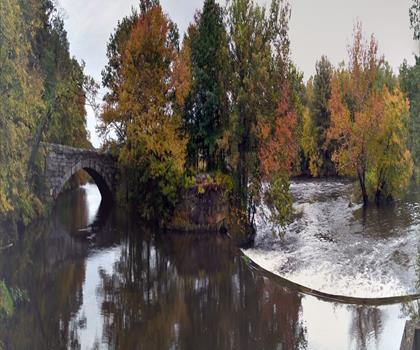
Blackstone River and Canal Heritage State Park
Central Massachusetts
nashua river rail trail
Central Massachusetts
West Hill Dam
Central Massachusetts
Buffumville Lake
Central Massachusetts
Hiking near Springfield
0 trails to explore ~39 km away
We work hard to provide the most up-to-date and error-free data possible. If something seems incorrect, let us know! Your contribution helps the whole community.
Hikers' opinions
Be the first to review!
No hiker has shared their experience yet. Share your impressions and help other hikers!