
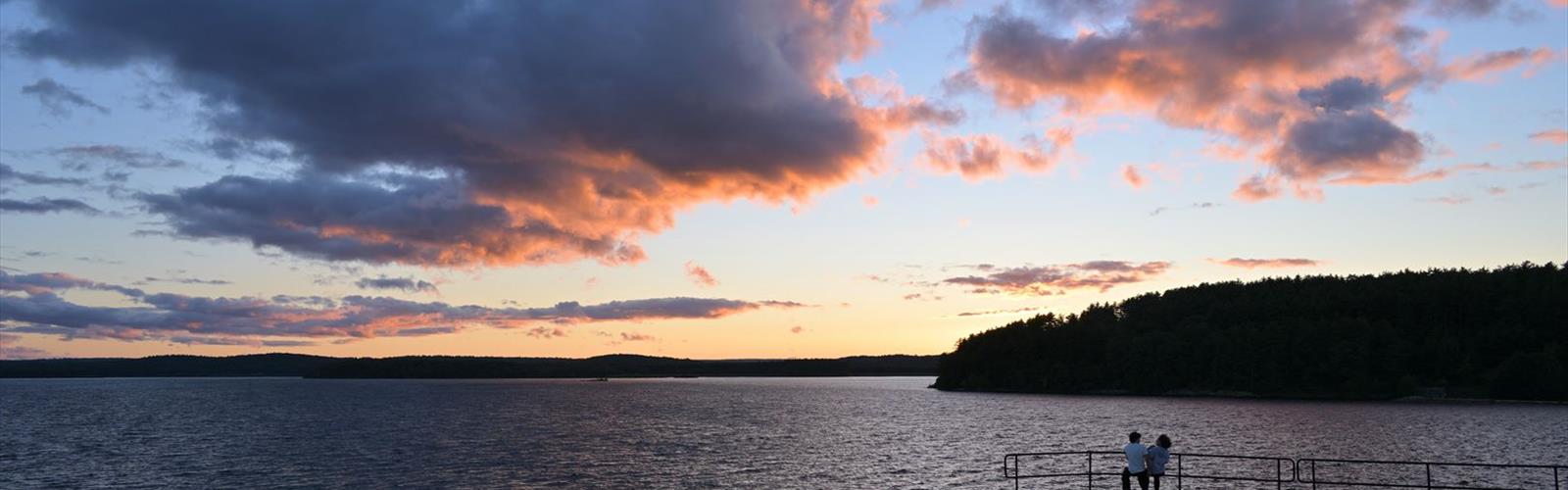

Ready to explore Wachusett Reservoir? Here's everything you need to know before you go!
Discover the trail

Trail description
The Wachusett Reservoir sprawls across central Massachusetts like a massive blue mirror, its 37 miles of shoreline weaving through dense woodlands and gentle hills that define this corner of New England. Built in the early 1900s as a crucial water supply for Greater Boston, this 4,135-acre reservoir has evolved into one of the region's most accessible and rewarding outdoor destinations, offering everything from easy waterside walks to longer woodland routes that keep you moving for hours.
What sets Wachusett Reservoir apart from other hiking areas in central Massachusetts is its unique combination of open water views and forest terrain. Unlike the rocky summits of nearby Mount Wachusett or the dense interior of state forests, the trail network here gives you constantly shifting perspectives — shoreline one moment, elevated woodland the next, then a meadow rolling down to the water's edge. It never feels repetitive.
Trail Network and Terrain
The Mass Central Rail Trail is the area's flagship route, following the bed of the old Massachusetts Central Railroad along the reservoir's northern shore. This well-maintained trail delivers some of the most spectacular water views in central Massachusetts, with the reservoir stretching out like an inland sea framed by forested hills. The rail trail's gentle grade makes it genuinely accessible to hikers of all abilities, while its length allows for everything from short family walks to longer outings.
The full loop around the reservoir covers approximately 17.7 km with around 100 m of elevation gain — enough to keep things interesting without ever feeling punishing. Plan for roughly 4 hours 30 minutes of hiking time at a comfortable pace, which leaves room for stops at viewpoints and shoreline rest spots. The difficulty sits solidly in the moderate range: the terrain is mostly packed earth and gravel on the rail trail sections, transitioning to rockier, rooted woodland paths as you move away from the water.
Beyond the main rail trail, a network of unofficial paths and old logging roads opens up more adventurous exploration. These routes climb through stands of oak, maple, and pine, reaching elevated viewpoints where the entire reservoir spreads out below. Some sections can get muddy during spring snowmelt and after heavy rains, so waterproof footwear is a smart call from March through May.
The shoreline itself offers genuinely diverse hiking environments. Some sections feature sandy beaches and gentle slopes — good spots to drop your pack and eat lunch. Others drop steeply into the water through dense vegetation. Rocky outcroppings serve as natural viewing platforms, and several small peninsulas extend into the reservoir, creating secluded spots that feel far removed from the parking areas despite being just a short walk away.
Wildlife and Natural Features
The reservoir's protected watershed status has created exceptional wildlife habitat. White-tailed deer are commonly spotted throughout the area, particularly during early morning and evening hours when they come to drink at the water's edge. Red foxes hunt in the meadows and forest clearings, and the lucky hiker might catch a glimpse of coyotes, black bears, or the occasional moose that wanders down from further north.
Birdwatching is strong year-round. Great blue herons stalk the shallows, osprey and bald eagles patrol the open water, and the surrounding forests host everything from tiny warblers to impressive pileated woodpeckers. Winter brings waterfowl that gather in areas where the water stays unfrozen, making cold-weather visits worthwhile for birders willing to layer up.
The reservoir's clear water supports healthy populations of trout, bass, and other freshwater species. Anglers can access the water from numerous points along the shoreline, though all fishing requires proper Massachusetts licenses and adherence to Division of Fisheries and Wildlife regulations.
Seasonal Highlights
Spring brings wildflowers to the forest understory and migrating birds to the water, though trails can be muddy and some areas may be temporarily soft from snowmelt. Summer offers full foliage and warm weather for extended hiking, with early morning starts giving you the best wildlife activity and cooler temperatures before midday.
Fall is when Wachusett Reservoir really shines. The reservoir's surface reflects the brilliant reds, oranges, and yellows of the surrounding hillsides in a way that's hard to match anywhere else in central Massachusetts. Winter hiking is entirely doable and offers a completely different feel — snow-covered trails, quiet woods, and long views across the frozen or partially frozen water — though hikers should be prepared for icy conditions and shorter daylight hours.
Practical Information
Multiple access points around the reservoir provide parking and trail access, with the most popular entry points located off Route 140 and local roads in West Boylston, Boylston, and Sterling. Most parking areas are free and offer basic facilities, though spots fill quickly on weekends during peak seasons — arriving early makes a real difference.
- Swimming: Strictly prohibited to protect the water quality serving Greater Boston.
- Picnicking: Welcome and encouraged along the shoreline — many hikers pack lunch for the scenic viewpoints.
- Dogs: Allowed but must be leashed at all times.
- Camping: Not permitted; overnight stays are not allowed anywhere on the property.
- Leave No Trace: Pack out all trash and stay on designated trails to protect this sensitive watershed ecosystem.
The reservoir's dual role — as critical drinking water infrastructure for millions of people and as a thriving natural habitat — shapes everything about how the area is managed, and it's worth keeping that context in mind as you hike.
The Essential Hiking Checklist
Everything you need for your next hike. Bilingual, printable, 1 page.
Get your free hiking checklistRecommended gear for this trail
As an Amazon Associate I earn from qualifying purchases.


Ready to go?
Everything you need to know before you goStarting Point
The wachusett reservoir is located in Holden, Massachusetts. The easiest way to get there is to take Route 31 west from Worcester.
When?
How much?
As an Amazon Associate I earn from qualifying purchases.
Affiliate links — LGPO may earn a commission at no extra cost to you.
- Hiking shoes Essential
- → Salomon Elixir Tour Mid WP · 203.38 $
- Layered clothing Essential
- Rain jacket Essential
- Trekking poles
- → Black Diamond Trail Ergo Cork · 69.99 $
- Headlamp
- → Petzl Actik Core 625 · 103.95 $
FAQ - Frequently asked questions
Everything you need to knowSimilar hikes nearby
Discover other trails you might enjoy

Crow Hill North Parking Area
Central Massachusetts

Tully Lake
Central Massachusetts
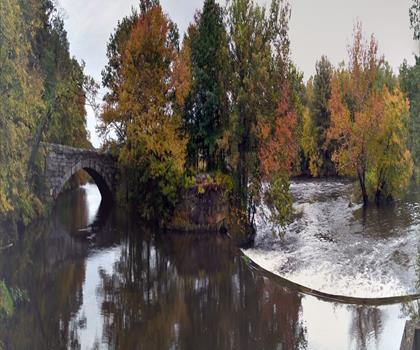
Blackstone River and Canal Heritage State Park
Central Massachusetts

nashua river rail trail
Central Massachusetts
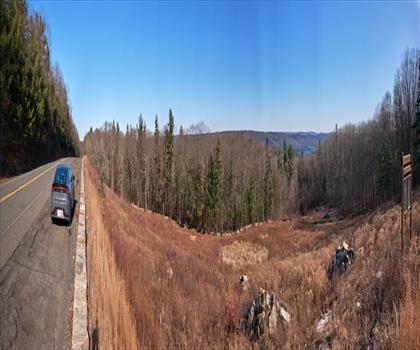
Quabbin Reservoir
Central Massachusetts
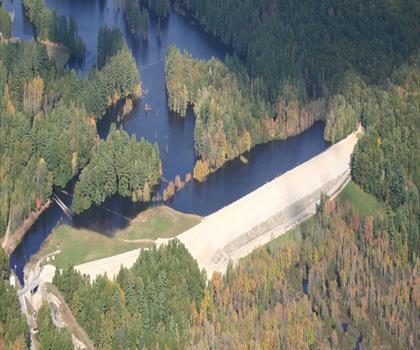
West Hill Dam
Central Massachusetts
Hiking near Worcester
0 trails to explore ~16 km away
We work hard to provide the most up-to-date and error-free data possible. If something seems incorrect, let us know! Your contribution helps the whole community.
Hikers' opinions
Be the first to review!
No hiker has shared their experience yet. Share your impressions and help other hikers!