

Ready to explore Metacomet-Monadnock Trail? Here's everything you need to know before you go!
Discover the trail
Trail description
The Metacomet-Monadnock Trail runs 177 kilometers from the Connecticut border through Massachusetts and up to Mount Monadnock in New Hampshire, making it one of the longer continuous hiking routes in the northeastern United States. It's part of the New England National Scenic Trail system, and while plenty of people tackle it in sections, the full route adds up to roughly 44 hours of hiking time — a serious undertaking that rewards those willing to commit to it.
What makes this trail genuinely different from most New England hiking is the geology underfoot. You're walking along traprock ridges formed by volcanic activity around 200 million years ago. The dark, columnar basalt cliffs look almost out of place in the deciduous forests of Massachusetts — more like something you'd expect in the American West than the Pioneer Valley. That contrast between ancient volcanic rock and surrounding hardwood forest is the trail's defining visual character, and it stays interesting across the full distance.
Terrain and Trail Character
The trail doesn't stay consistent for long, which is part of what keeps it engaging. Southern sections move through rolling hills and mixed hardwood forest, with occasional clearings breaking up the canopy. As you push north, the terrain gets more serious. The Holyoke Range is where the trail earns its Hard difficulty rating — narrow ridgelines, steep drop-offs on both sides, and sections that require real attention to foot placement. This isn't a trail where you can zone out and cruise.
The exposed ridge sections demand careful movement, and some spots involve hand-over-hand scrambling on the basalt. The payoff is real: on clear days, you get panoramic views across the Pioneer Valley, with the Berkshire Hills visible to the west and the Green Mountains of Vermont on the northern horizon. These airy ridge walks alternate with stretches of intimate forest travel, which keeps the experience from feeling repetitive even over long distances.
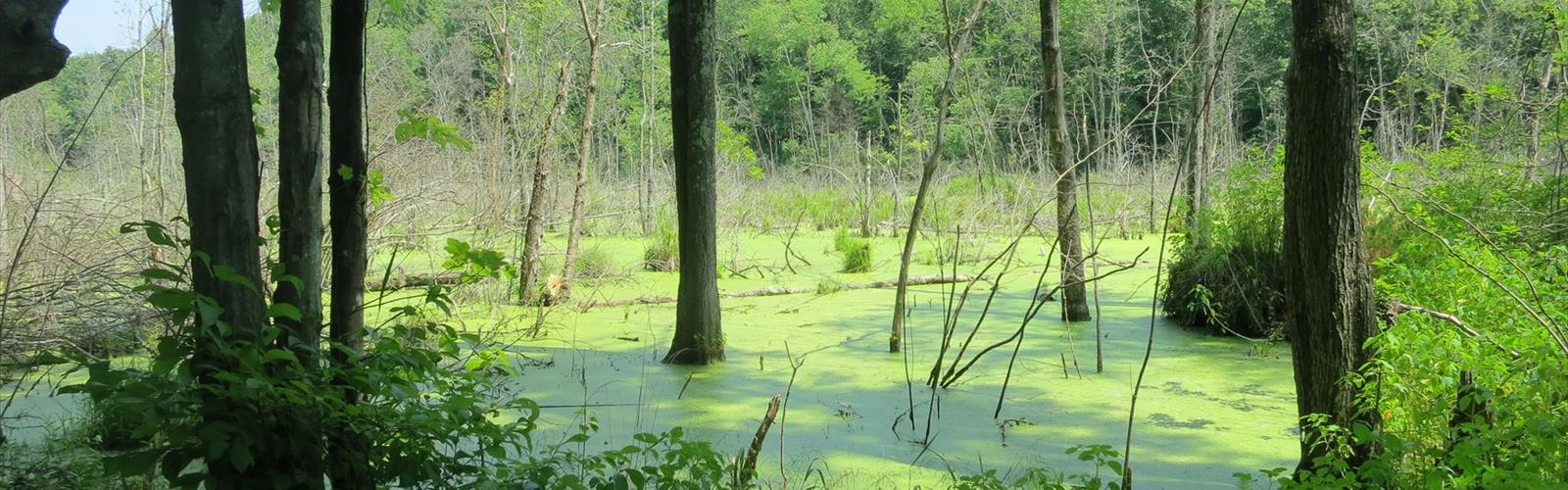
Forest sections wind through mature oak, maple, and birch, with mountain laurel understories that put on a strong show in late spring. Stream crossings come up regularly and are generally manageable, though snowmelt in spring can push some fords higher than expected. The trail surface through wooded areas is well-maintained, with stone steps and bog bridges placed where the ground gets soft.
The total elevation gain of 390 meters reflects the cumulative nature of the route — it's not one big climb but rather a series of repeated ascents and descents across multiple ridges. That pattern is harder on the legs over time than a single big mountain, and it's worth factoring into your planning if you're doing multi-day sections.
Key Destinations Along the Route
Mount Tom State Reservation is one of the trail's anchor points and a good entry for hikers who want to get a feel for the route without committing to a long day. The summit delivers 360-degree views, with the Connecticut River cutting through the valley below and the Berkshires forming the western backdrop. The reservation also has shorter loop options that let families and newer hikers experience the trail's character on their own terms.
The Holyoke Range is the section most experienced hikers remember. Mount Norwottuck and Bare Mountain both offer standout views, and the exposed ridgeline walking here is as good as anything on the trail. The openness of these peaks makes them excellent for photography, particularly at sunrise and sunset, though weather can shift quickly on the exposed sections — something worth keeping in mind when you're planning your timing.
Mount Monadnock, the northern terminus in New Hampshire, gives the trail a proper finish. The isolated peak rises clearly above the surrounding landscape, and the final approach involves some of the route's most rugged terrain. Reaching the summit after completing the full trail is a genuinely satisfying experience — the kind of ending that makes the whole effort feel coherent.
Wildlife and Natural Features
The range of habitats along the trail supports a solid variety of wildlife. White-tailed deer are common, especially in early morning and evening. Red and gray foxes move through the area regularly, though you're more likely to hear them than see them. The rocky outcrops provide nesting habitat for peregrine falcons, which have made a strong comeback in this region.
The ridge sections function as natural flyways during migration, concentrating raptors in spring and fall. Turkey vultures work the thermals along the cliff faces throughout the warmer months. In the forest sections, you'll find the usual New England woodland mix — woodpeckers, nuthatches, and seasonal warblers depending on the time of year.
The traprock formations themselves create unusual microhabitats. The thin soils and exposed conditions on the ridges support specialized plant communities you won't find in the surrounding forest. Protected valleys bring wildflower displays in spring, while the rocky areas host hardy species like wild columbine and rock polypody ferns.
Planning Your Visit
The trail's numerous road crossings make it easy to break into manageable sections, and most people approach it that way. Popular day hike destinations include the Mount Tom area and the main peaks of the Holyoke Range — both give you a genuine taste of the trail's character without requiring overnight gear or a week off work.
For a full thru-hike, plan on one to two weeks depending on your pace and how much time you spend at viewpoints and side trails. The trail is marked with white blazes throughout, though some sections passing through state reservations add colored blazes that can create confusion. A detailed trail map is worth carrying, especially for tracking water sources and identifying camping options along the route.
- Footwear: Sturdy hiking boots with solid ankle support are essential — the basalt terrain is uneven and the ridge scrambles put real stress on ankles.
- Water: Sources are generally reliable along the route, but carrying a purification method is the right call regardless.
- Layers: Ridge conditions can change fast even when the valley looks calm. Bring more than you think you need.
- Navigation: Multiple access points are a safety asset, but also a reason to stay oriented — it's easy to exit the trail at an unplanned crossing if you're not tracking your position.
Fall foliage, typically mid-September through mid-October, draws crowds to the popular viewpoints but delivers genuinely spectacular color. Spring offers wildflowers and quieter trails, though mud season can slow progress on lower sections. Winter travel is possible on this trail, but the exposed ridges with snow and ice require solid experience and appropriate gear.
The Essential Hiking Checklist
Everything you need for your next hike. Bilingual, printable, 1 page.
Get your free hiking checklistRecommended gear for this trail
As an Amazon Associate I earn from qualifying purchases.


Ready to go?
Everything you need to know before you goStarting Point
The metacomet-monadnock trail is located in Massachusetts. To get to the start of the trails, take Route 2 to exit 38 and follow the signs to the trailhead.
When?
How much?
As an Amazon Associate I earn from qualifying purchases.
Affiliate links — LGPO may earn a commission at no extra cost to you.
- Hiking shoes Essential
- → Salomon Elixir Tour Mid WP · 203.38 $
- Layered clothing Essential
- Rain jacket Essential
- Trekking poles
- → Black Diamond Trail Ergo Cork · 69.99 $
- Headlamp
- → Petzl Actik Core 625 · 103.95 $
FAQ - Frequently asked questions
Everything you need to knowSimilar hikes nearby
Discover other trails you might enjoy
Glendale Falls
Pioneer Valley
Lake Wyola
Pioneer Valley

Spirit Falls Trail head
Pioneer Valley
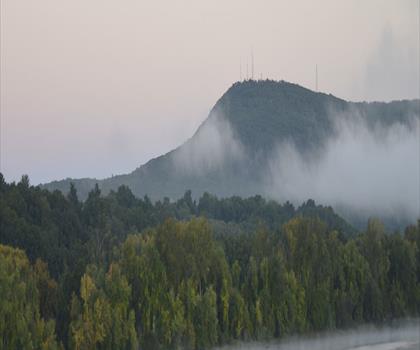
Mount Tom State Reservation
Pioneer Valley
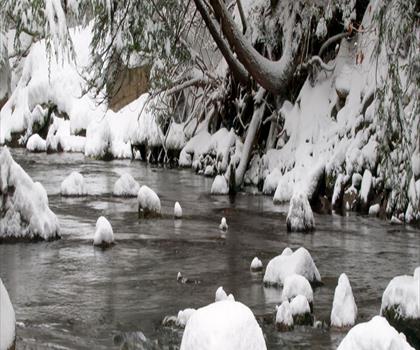
Chapel Falls
Pioneer Valley
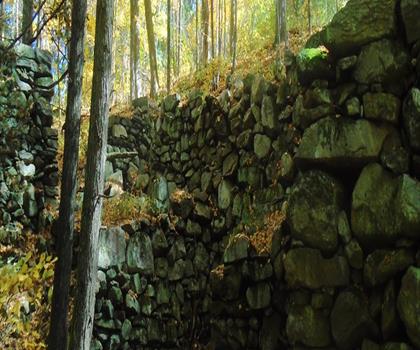
Mill River Conservation Area
Pioneer Valley
Hiking near Springfield
0 trails to explore ~19 km away
We work hard to provide the most up-to-date and error-free data possible. If something seems incorrect, let us know! Your contribution helps the whole community.
Hikers' opinions
Be the first to review!
No hiker has shared their experience yet. Share your impressions and help other hikers!