

Ready to explore Mt Moosilauke? Here's everything you need to know before you go!
Discover the trail
Oh no! We don't have any photos 😢
This trail hasn't been captured yet. Be the first to share your adventure!Trail description
Mt. Moosilauke rises to 4,802 feet in New Hampshire's White Mountains, earning its nickname "The Gentle Giant" through a combination of accessible trails and rewarding summit views. This mountain serves as an excellent introduction to White Mountain hiking while still challenging experienced hikers, particularly those looking to bag their first 4,000-footer or test different route combinations.
The mountain's appeal lies in its varied terrain and multiple trail options. Unlike some peaks that offer a single slog to the top, Moosilauke presents hikers with distinct experiences depending on their chosen route. The contrast between the forested approach and the exposed, alpine-like summit creates a satisfying progression that keeps the hike interesting from start to finish.
Trail Options and Terrain
The Gorge Brook Trail represents the most popular and moderate approach to the summit. This route takes you through dense hardwood and coniferous forests, following alongside streams and brooks that provide both scenic beauty and natural waypoints. The trail maintains a steady but manageable grade for most of its length, making it accessible to hikers with moderate fitness levels.
As you climb through the forest, the terrain shifts from rich, loamy soil dotted with ferns and wildflowers to rockier ground with exposed roots and granite slabs. The sound of running water accompanies much of the lower portion of the hike, creating a peaceful soundtrack that masks the effort of the ascent. The forest canopy provides excellent shade during summer months, though it also means the trail can retain moisture and become muddy after rain.
For those seeking more adventure, the Beaver Brook Trail offers a dramatically different experience, particularly as a descent route. This trail features steep sections and cascading waterfalls that create both visual drama and technical challenges. The combination of wet rocks and steep grades demands careful foot placement and good hiking boots with solid traction.
Summit Experience
The summit of Mt. Moosilauke provides one of the most distinctive experiences in the White Mountains due to its open, exposed character. Unlike many peaks where trees limit views, Moosilauke's summit offers 360-degree panoramic vistas that extend across multiple states. On clear days, the views stretch into Vermont and can reach as far as Canada, providing a genuine sense of the region's scale and geography.
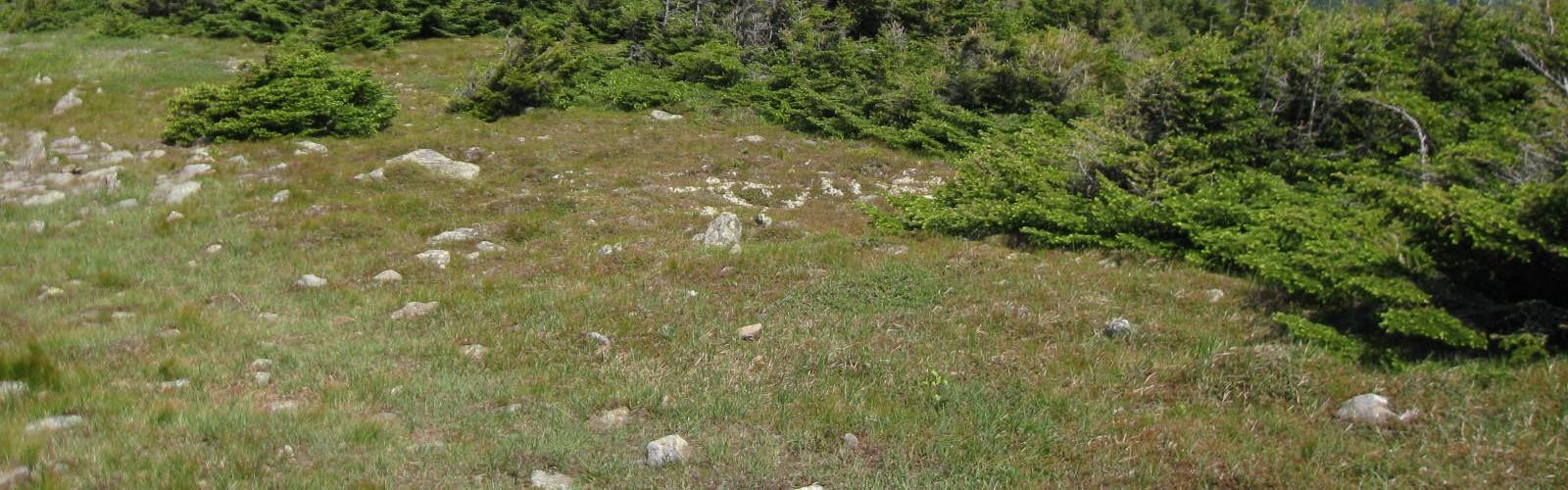
The open summit area consists of rocky terrain with low-growing alpine vegetation. This exposed environment means weather conditions can change rapidly, and hikers should be prepared for wind, temperature drops, and potential weather exposure even when conditions are pleasant at the trailhead. The lack of tree cover makes this an excellent spot for photography, but also means there's little natural shelter.
The summit's spacious layout makes it ideal for groups looking to spread out for lunch or rest. The relatively flat area provides stable footing for those wanting to explore different viewpoints or simply sit and take in the scenery. During peak foliage season, the views encompass vast stretches of colorful forest that demonstrate why New England's fall colors draw visitors from around the world.
Wildlife and Natural Features
The diverse ecosystems along Mt. Moosilauke's trails support varied wildlife populations. White-tailed deer frequent the lower elevations, particularly during early morning and late afternoon hours. Hikers often encounter chipmunks and red squirrels throughout the forested sections, while the sounds of native bird species provide a constant backdrop.
The transition from deciduous forest at lower elevations to mixed hardwood and coniferous forest higher up creates distinct habitat zones. Wildflowers bloom throughout the growing season, with trilliums and lady slippers appearing in spring, followed by various asters and goldenrod later in the year. The brooks and streams support small populations of native brook trout and provide habitat for various amphibians.
The geological features along the trails tell the story of New Hampshire's mountain-building history. Exposed granite outcroppings reveal the igneous rock foundation of the White Mountains, while glacial erratics scattered throughout the forest demonstrate the power of ice age glaciation in shaping the current landscape.
Planning Your Visit
A typical hike to Mt. Moosilauke's summit requires 6 to 8 hours, depending on your chosen route, pace, and time spent on the summit. The elevation gain of 971 meters provides a solid workout without being overwhelming for hikers in reasonable physical condition. Starting early in the day allows for a more leisurely pace and better chances of clear summit views before afternoon clouds potentially move in.
The mountain offers excellent opportunities for both day hiking and overnight camping at nearby sites. Day hikers will find the round-trip distance manageable for a single outing, while those looking to extend their experience can explore the area's camping options to create a multi-day adventure.
Weather conditions can vary significantly between the trailhead and summit, particularly during shoulder seasons. The exposed summit experiences much more severe conditions than the protected forest below, making proper layering and weather protection essential. Summer thunderstorms can develop quickly, and the exposed summit becomes dangerous during lightning activity.
The combination of moderate difficulty, excellent views, and varied terrain makes Mt. Moosilauke an ideal choice for hikers looking to experience the best of White Mountain hiking without committing to the most technical or strenuous peaks in the region.
The Essential Hiking Checklist
Everything you need for your next hike. Bilingual, printable, 1 page.
Get your free hiking checklistRecommended gear for this trail
As an Amazon Associate I earn from qualifying purchases.


Ready to go?
Everything you need to know before you goStarting Point
The mt moosilauke trails start at the Glencliff trailhead. To get there, take exit 28 off of I-93 and go north on NH-25 for about 5 miles. The Glencliff trailhead will be on your left.
When?
How much?
As an Amazon Associate I earn from qualifying purchases.
Affiliate links — LGPO may earn a commission at no extra cost to you.
- Hiking shoes Essential
- → Salomon Elixir Tour Mid WP · 203.38 $
- Layered clothing Essential
- Rain jacket Essential
- Trekking poles
- → Black Diamond Trail Ergo Cork · 69.99 $
- Headlamp
- → Petzl Actik Core 625 · 103.95 $
FAQ - Frequently asked questions
Everything you need to knowSimilar hikes nearby
Discover other trails you might enjoy
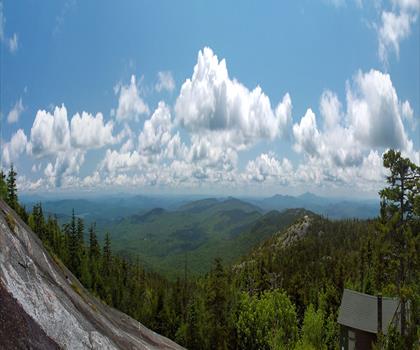
AMC Cardigan Lodge
Dartmouth-Lake Sunapee
Cardigan Mountain State Park
Dartmouth-Lake Sunapee

Moose Mountain Shelter
Dartmouth-Lake Sunapee
Welton Falls
Dartmouth-Lake Sunapee
Big Sugarloaf Mountain
Dartmouth-Lake Sunapee
Forest Lake State Park
Dartmouth-Lake Sunapee
Hiking near North Conway
0 trails to explore ~56 km away
We work hard to provide the most up-to-date and error-free data possible. If something seems incorrect, let us know! Your contribution helps the whole community.
Hikers' opinions
Be the first to review!
No hiker has shared their experience yet. Share your impressions and help other hikers!