

Ready to explore Moose Mountain Shelter? Here's everything you need to know before you go!
Discover the trail
Oh no! We don't have any photos 😢
This trail hasn't been captured yet. Be the first to share your adventure!Trail description
Moose Mountain Shelter sits along the Appalachian Trail in New Hampshire's Dartmouth-Lake Sunapee region, offering hikers a peaceful overnight stop or day-hike destination. This rustic shelter perches on the slopes of Moose Mountain within the White Mountains range, providing a genuine backcountry experience without requiring extreme technical skills or multi-day commitment.
The approach to the shelter follows a moderately challenging trail that winds through dense New Hampshire forest. You'll gain 375 meters of elevation over the course of your hike, with the terrain consisting primarily of well-maintained dirt paths, occasional rocky sections, and some steeper pitches as you climb toward the shelter. The trail surface varies from packed earth to exposed roots and stones, typical of White Mountain hiking. Plan for 4 to 5 hours of hiking time, which accounts for both the ascent and time to explore the area around the shelter.
Trail Experience and Terrain
The hike begins in mixed hardwood and coniferous forest, where the canopy creates a cathedral-like atmosphere even on bright days. As you climb, the forest composition shifts, and you'll notice the gradual transition from lower elevation species to the hardier trees that thrive on mountain slopes. The trail itself is well-marked with the familiar white blazes of the Appalachian Trail, making navigation straightforward for hikers of varying experience levels.
What makes this hike particularly rewarding is the combination of forest immersion and periodic openings that reveal panoramic views of the surrounding White Mountains. These vista points provide natural rest stops and photo opportunities, breaking up the steady climb with moments of visual reward. The views encompass rolling forested hills extending toward distant peaks, giving you a sense of the vast wilderness that defines this region of New Hampshire.
Wildlife and Natural Features
The area around Moose Mountain Shelter lives up to its name as prime habitat for New Hampshire's iconic wildlife. Moose sightings are genuinely possible here, particularly during early morning or late afternoon hours when these massive animals move through the forest to feed. White-tailed deer are more commonly spotted and often seem less concerned about human presence along this section of trail.
Birdwatchers will find plenty to observe throughout the hike. The mixed forest supports a diverse population of species, from common songbirds in the lower elevations to specialized mountain dwellers near the shelter. The variety of habitats along the elevation gradient creates opportunities to observe different bird communities within a single hike.
The forest itself tells the story of New Hampshire's natural history. You'll pass through areas of mature growth interspersed with sections showing evidence of past logging or natural disturbances. This creates a mosaic of forest ages and types, each supporting different plant and animal communities.
Shelter Facilities and Overnight Considerations
Moose Mountain Shelter provides the basic amenities that make overnight stays comfortable without compromising the backcountry experience. The shelter features sleeping platforms that can accommodate several hikers, though space operates on a first-come, first-served basis typical of Appalachian Trail shelters. The platforms keep you off the ground and provide a level sleeping surface, but you'll need to bring your own sleeping bag and pad.
A reliable water source flows near the shelter, eliminating the need to carry large quantities of water for overnight stays. However, treat all natural water sources appropriately before drinking. The shelter area includes space for hanging food to protect it from bears and other wildlife, and you should follow proper food storage protocols throughout your visit.
The shelter's location offers a genuine sense of remoteness while remaining accessible to hikers with moderate experience. Evening hours bring a profound quiet broken only by natural forest sounds, and clear nights offer excellent stargazing opportunities away from urban light pollution.
Regional Context and Extended Adventures
Moose Mountain Shelter serves as an excellent introduction to White Mountains hiking for those building up to more challenging peaks in the region. The elevation gain and distance provide a solid workout without the exposure or technical challenges found on some of the area's more famous summits. This makes it particularly valuable for hikers testing gear, building fitness, or introducing others to overnight backpacking.
The shelter's position along the Appalachian Trail opens up possibilities for longer adventures. Experienced hikers can use it as a waypoint for extended trail sections, while others might combine it with day hikes to nearby peaks or trail systems. The Dartmouth-Lake Sunapee region offers numerous other hiking opportunities within reasonable driving distance, making Moose Mountain Shelter part of a larger outdoor recreation area.
For those interested in the cultural aspects of hiking, this shelter represents part of the extensive volunteer-maintained infrastructure that makes long-distance hiking possible on the Appalachian Trail. The shelter exists because of ongoing efforts by hiking clubs and individual volunteers who maintain both the structure and the trail leading to it.
Practical Planning Notes
The moderate difficulty rating reflects steady elevation gain rather than technical challenges, making this hike suitable for anyone comfortable with several hours of uphill walking on uneven terrain. The 4 to 5 hour timeframe assumes a reasonable pace with breaks, but stronger hikers might complete the approach more quickly while those preferring a leisurely pace might take longer.
Weather conditions can significantly impact the experience, particularly during New Hampshire's variable shoulder seasons. The forest provides some protection from wind, but temperatures can drop noticeably with elevation gain. The shelter offers protection from rain, but proper clothing and gear remain essential for safety and comfort.
The Essential Hiking Checklist
Everything you need for your next hike. Bilingual, printable, 1 page.
Get your free hiking checklistRecommended gear for this trail
As an Amazon Associate I earn from qualifying purchases.


Ready to go?
Everything you need to know before you goStarting Point
The moose mountain shelter is located in Waterville Valley, New Hampshire. To get to the start of the trails, take Exit 28 off of I-93 and head east on Route 49. The shelter will be on your right.
When?
How much?
As an Amazon Associate I earn from qualifying purchases.
Affiliate links — LGPO may earn a commission at no extra cost to you.
- Hiking shoes Essential
- → Salomon Elixir Tour Mid WP · 203.38 $
- Layered clothing Essential
- Rain jacket Essential
- Trekking poles
- → Black Diamond Trail Ergo Cork · 69.99 $
- Headlamp
- → Petzl Actik Core 625 · 103.95 $
FAQ - Frequently asked questions
Everything you need to knowSimilar hikes nearby
Discover other trails you might enjoy
Mt Moosilauke
Dartmouth-Lake Sunapee
AMC Cardigan Lodge
Dartmouth-Lake Sunapee
Cardigan Mountain State Park
Dartmouth-Lake Sunapee
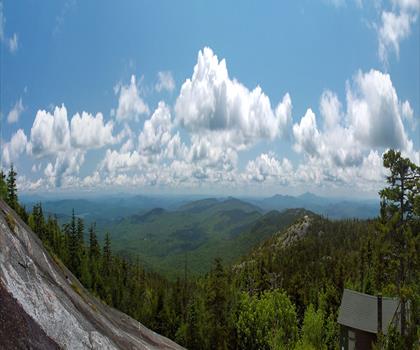
Welton Falls
Dartmouth-Lake Sunapee

Big Sugarloaf Mountain
Dartmouth-Lake Sunapee
Forest Lake State Park
Dartmouth-Lake Sunapee
Hiking near Montpelier
0 trails to explore ~68 km away
We work hard to provide the most up-to-date and error-free data possible. If something seems incorrect, let us know! Your contribution helps the whole community.
Hikers' opinions
Be the first to review!
No hiker has shared their experience yet. Share your impressions and help other hikers!