

Ready to explore Bear Brook State Park? Here's everything you need to know before you go!
Discover the trail
Trail description
Bear Brook State Park covers 10,000 acres in New Hampshire's Merrimack Valley, making it the largest developed state park in New Hampshire. That size matters: with over 40 miles of trails threading through the property, you can visit a dozen times and still find corners you haven't explored. Yet the park sits close enough to Manchester and Concord that it works just as well for a weekday evening walk as it does for a full weekend camping trip.
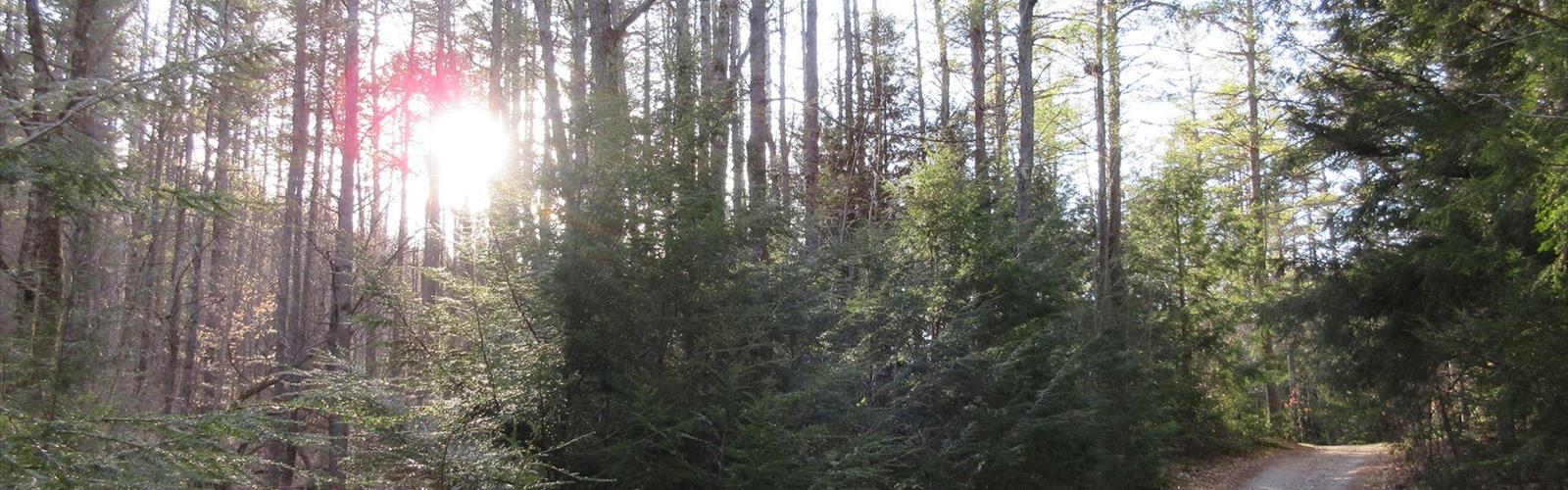
The terrain here is classic New Hampshire piedmont — rolling hills blanketed in second-growth forest, broken up by beaver ponds, seasonal streams, and wetland edges. You'll move through stands of white pine and hemlock, mixed hardwood forest that turns vivid in October, and open pond shores where the tree line reflects cleanly off still water. It doesn't have the dramatic elevation of the White Mountains, but it has a quiet, lived-in wildness that's easy to underestimate until you're an hour deep into the trail network and haven't seen another person.
The Trails
The trail network is the park's main draw, and its design rewards exploration. Well-marked intersections let you build loops of almost any length, from a quick one-hour circuit to a full-day outing covering 19 kilometers. On longer routes, you'll gain around 150 meters of elevation — enough to give your legs something to work against without turning the day into a slog. That profile puts the park squarely in moderate territory, accessible to hikers building endurance while still delivering satisfying climbs.
The Bear Hill Pond Trail is a reliable starting point and one of the park's most rewarding moderate loops. The route follows the shoreline of a clean, quiet pond, alternating between soft forest floor and occasional rocky sections. The elevation changes are gentle but present, and the pond itself offers multiple spots to stop, sit, and watch the water. Early morning is particularly good here — deer come to drink along the edges, and the bird activity around the wetland margins is worth slowing down for.
For hikers who want more of a physical challenge, the Catamount Trail delivers a noticeably different experience. The climb is steady and sustained, moving through increasingly dense forest before breaking out to views across the park's forested landscape and toward distant peaks. The upper sections involve some scrambling over granite outcrops and root-crossed stretches that demand attention, especially after rain. It's not technical, but it keeps you engaged in a way the flatter trails don't.
The interconnected trail system means you're rarely locked into a single route. Most hikers piece together their own loops using the named trails as anchors, adding or subtracting distance based on how the day is going. If you're new to the park, starting with the Bear Hill Pond Trail gives you a solid read on the trail marking system and the park's general geography before you start improvising.
Wildlife and Landscape
Bear Brook's mix of forest types and water features creates genuinely good conditions for wildlife watching. The beaver ponds scattered through the property attract waterfowl and wading birds, and the forest edges between different habitat types are productive for songbirds. White-tailed deer are common throughout the park, and the early morning and late afternoon hours consistently produce the best sightings. The wetland sections in particular reward patience — slow down, stay quiet, and you'll see more than you expect.
Beyond Hiking
The trail network does more than one job. Designated sections are open to mountain bikers, and the park's rolling terrain translates well to cycling — flowing singletrack through the trees, manageable climbs, and enough variety to keep things interesting without demanding expert-level technical skills.
The ponds scattered across the property offer fishing access, with some sitting right alongside main trails and others requiring a short push through the brush to reach. The settings are peaceful enough that a slow day on the water doesn't feel like a wasted one.
Winter changes the park's character without closing it down. The hiking trails become snowshoe routes, and the park maintains groomed tracks for cross-country skiing. The same forest corridors that provide shade in summer create sheltered travel lanes in winter, and the frozen ponds open up additional route options for experienced winter travelers.
Camping and Facilities
The park's campgrounds make multi-day visits straightforward. The sites are positioned to offer reasonable privacy while staying accessible, and using them as a base camp lets you work through different sections of the trail network across several days without the drive back and forth. Getting on the trail at first light — when the forest is quiet and wildlife is moving — is one of the better arguments for staying overnight.
The Bear Brook Museum Complex adds context to what you're seeing on the trails. The park's landscape is largely second-growth forest reclaiming land that was once farmed, and understanding that history changes how you read the terrain — the stone walls running through the woods, the old field edges, the way the forest composition shifts from one area to the next.
Planning Your Visit
The park's size is an asset, but it means the trail map is worth studying before you head out. Multiple trailheads and a dense network of intersecting paths can be disorienting on a first visit, and knowing roughly where you want to go saves time at the trailheads. The park's location in the Merrimack Valley keeps it accessible from the region's population centers, which means weekends can bring visitors — but the trail network is large enough that it absorbs them without feeling crowded.
Conditions vary across the park depending on terrain: ridgetop trails drain quickly and stay firm, while pond-edge paths can hold mud well after a rain. Sturdy footwear handles the mixed surfaces well, and carrying layers is standard practice in New Hampshire regardless of the season.
The Essential Hiking Checklist
Everything you need for your next hike. Bilingual, printable, 1 page.
Get your free hiking checklistRecommended gear for this trail
As an Amazon Associate I earn from qualifying purchases.


Ready to go?
Everything you need to know before you goStarting Point
The bear brook state park is located in Allenstown, New Hampshire. To get to the start of the trails, take exit 5 off of I-93 and head west on Route 28. The park will be on your left.
When?
How much?
As an Amazon Associate I earn from qualifying purchases.
Affiliate links — LGPO may earn a commission at no extra cost to you.
- Hiking shoes Essential
- → Salomon Elixir Tour Mid WP · 203.38 $
- Layered clothing Essential
- Rain jacket Essential
- Trekking poles
- → Black Diamond Trail Ergo Cork · 69.99 $
- Headlamp
- → Petzl Actik Core 625 · 103.95 $
FAQ - Frequently asked questions
Everything you need to knowSimilar hikes nearby
Discover other trails you might enjoy

Uncanoonuc Mountains
Merrimack Valley
Benson Park
Merrimack Valley
Windham Rail Trail
Merrimack Valley
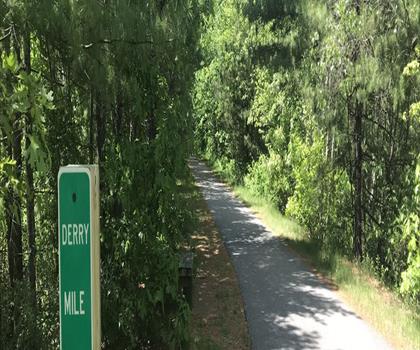
Derry Rail Trail
Merrimack Valley
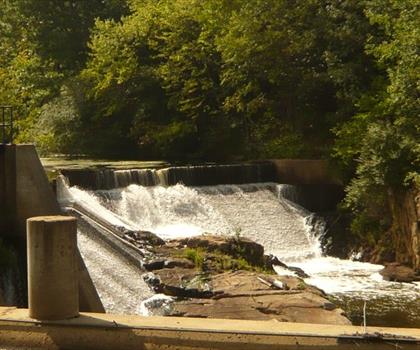
Mine Falls Park
Merrimack Valley
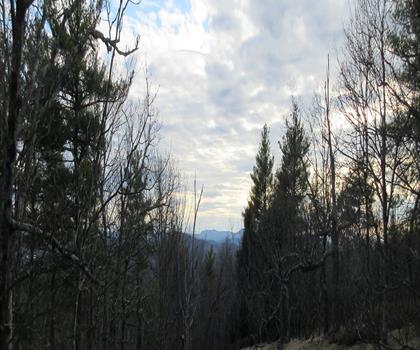
South Uncanoonuc
Merrimack Valley
Hiking near Manchester
0 trails to explore ~15 km away
We work hard to provide the most up-to-date and error-free data possible. If something seems incorrect, let us know! Your contribution helps the whole community.
Hikers' opinions
Be the first to review!
No hiker has shared their experience yet. Share your impressions and help other hikers!