
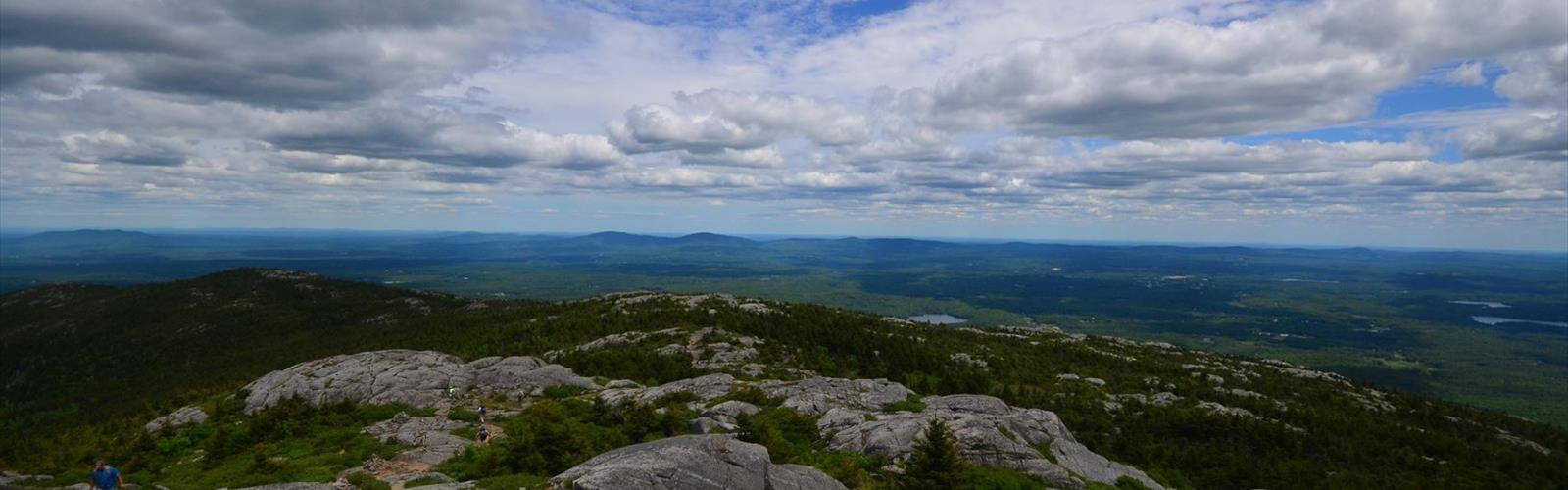

Ready to explore Monadnock State Park? Here's everything you need to know before you go!
Discover the trail
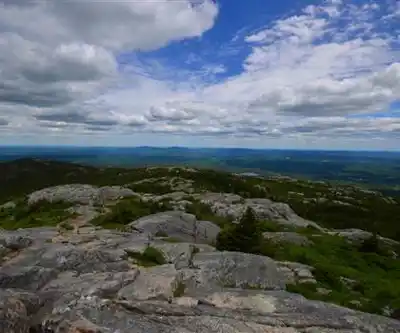
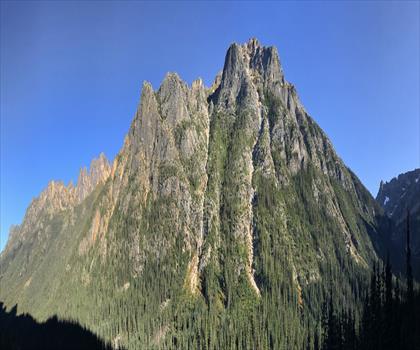
Photos: Sayamindu Dasgupta from Cambridge, MA, United States — CC BY-SA 2.0 (Wikimedia Commons)
Trail description
Monadnock State Park in southwestern New Hampshire centers around Mount Monadnock, one of the most climbed mountains in the world. This 5,000-acre park offers multiple trail options leading to the 3,165-foot summit, where hikers are rewarded with panoramic views extending across New Hampshire, Massachusetts, Vermont, and on clear days, the Boston skyline and Atlantic Ocean.
The mountain's popularity stems from its distinctive monadnock formation—an isolated rocky peak that rises dramatically from the surrounding lowlands. Unlike many New England summits surrounded by other peaks, Mount Monadnock stands alone, creating the expansive 360-degree views that draw thousands of visitors annually. The upper elevations feature exposed granite ledges and sparse vegetation, while the lower slopes are covered in mixed hardwood and coniferous forests.
Trail Options and Terrain
The White Dot Trail serves as the most direct and popular route to the summit, covering approximately 1.9 miles with an elevation gain of about 1,700 feet. This trail follows a steep, rocky path marked by white painted dots on trees and rocks. The lower section winds through dense forest before emerging onto open ledges for the final ascent. Expect significant rock scrambling, especially in the upper third of the climb.
For a longer but more gradual approach, the White Cross Trail offers a 2.2-mile route with gentler grades through varied forest terrain. This trail connects with the White Dot Trail near the summit, allowing for loop hike options. The White Cross Trail provides a more sustained woodland experience with less exposed rock climbing.
The Red Spot Trail presents another alternative, branching off from the White Cross Trail and rejoining it higher up. This creates opportunities for varied ascent and descent routes. Advanced hikers often combine multiple trails to create longer loop hikes exploring different aspects of the mountain.
Trail conditions vary significantly with seasons and weather. The exposed upper sections can be treacherous in wet or icy conditions, with smooth granite becoming extremely slippery. Snow and ice typically persist on the summit well into spring, requiring microspikes or crampons during winter months.
What to Expect on the Mountain
The hike begins in typical New England mixed forest, with oak, maple, and birch trees giving way to spruce and fir at higher elevations. Wildlife sightings may include white-tailed deer, red squirrels, chipmunks, and various bird species. Black bears inhabit the area, though encounters are uncommon on the busy main trails.
As you climb higher, the forest gradually thins, revealing glimpses of the surrounding landscape through the trees. The transition to open ledges marks the beginning of the most challenging terrain, where hikers navigate steep granite slabs and boulder fields. The exposed nature of the upper mountain means weather conditions can change rapidly, with wind speeds often significantly higher than at the base.
The summit area consists of open granite with minimal vegetation, offering unobstructed views in all directions. On busy weekends, expect to share the summit with dozens of other hikers. The mountain's popularity means solitude is rare, particularly during peak foliage season and summer weekends.
The physical demands of this hike shouldn't be underestimated. The steep granite sections require careful foot placement and can be mentally challenging for those uncomfortable with exposure. Your hands will be needed for balance and support during the rock scrambling sections, making this more than just a walk in the woods.
Seasonal Considerations
Spring hiking brings mud season challenges, with trails often wet and slippery from snowmelt. Ice may persist on north-facing slopes and the summit well into April. The contrast between warm valley temperatures and cold, windy summit conditions can be dramatic during shoulder seasons.
Summer offers the most reliable weather but also the largest crowds, with parking lots often full by mid-morning on weekends. Thunderstorms can develop quickly, making the exposed summit dangerous during electrical activity. Start early to avoid both crowds and afternoon weather.
Fall attracts peak visitor numbers during foliage season, typically mid-September through early October. The views during this period are spectacular, but expect significant crowds and arrive early to secure parking. Winter transforms the mountain into a serious mountaineering challenge, with the exposed summit requiring winter hiking experience and appropriate gear including crampons and warm layers.
Facilities and Practical Information
The park maintains several parking areas, with the main trailhead parking lot accommodating the majority of visitors. During peak times, overflow parking extends along nearby roads. Restroom facilities are available at the main parking area, but no facilities exist on the mountain itself.
A day-use fee is required for all visitors, payable at the park entrance or main parking area. New Hampshire residents receive discounted rates, and annual passes are available for frequent visitors. The park typically opens at 8:00 AM, though hours may vary seasonally.
Dogs are welcome on all trails but must remain leashed at all times. The rocky terrain can be challenging for dogs, particularly on the steep granite sections near the summit. Bring water for both yourself and your pet, as no reliable water sources exist on the mountain.
Family Hiking Considerations
While families with children regularly hike Mount Monadnock, the steep, rocky terrain requires careful consideration of children's abilities and experience. The White Dot Trail's rock scrambling sections can be intimidating for young or inexperienced hikers. Many families find success by starting early, taking frequent breaks, and being prepared to turn back if conditions or energy levels warrant.
Children should have previous hiking experience on rocky terrain before attempting Mount Monadnock. The descent can be particularly challenging, as the steep granite sections require careful foot placement and can be hard on knees and ankles. Consider the White Cross Trail for families seeking a less technical route.
Essential Gear and Preparation
Sturdy hiking boots with good traction are essential for the rocky terrain. Bring more water than you think you'll need, as the exposed upper sections and physical demands of rock scrambling increase dehydration risk. Weather can change rapidly on the exposed summit, so pack extra layers including rain gear and warm clothing even on seemingly pleasant days.
Trekking poles can be helpful for stability on steep sections, though they may need to be stowed during rock scrambling portions. A headlamp is recommended even for day hikes, as descents often take longer than anticipated, particularly for inexperienced hikers navigating the rocky terrain. The combination of physical exertion and technical terrain means this hike typically takes longer than the distance might suggest.
The Essential Hiking Checklist
Everything you need for your next hike. Bilingual, printable, 1 page.
Get your free hiking checklistRecommended gear for this trail
As an Amazon Associate I earn from qualifying purchases.


Ready to go?
Everything you need to know before you goStarting Point
The monadnock state park is located in Jaffrey, New Hampshire. To get to the start of the trails, take Route 124 east from Jaffrey and turn left onto Poole Road. The park entrance will be on your right.
When?
How much?
As an Amazon Associate I earn from qualifying purchases.
Affiliate links — LGPO may earn a commission at no extra cost to you.
- Hiking shoes Essential
- → Salomon Elixir Tour Mid WP · 203.38 $
- Layered clothing Essential
- Rain jacket Essential
- Trekking poles
- → Black Diamond Trail Ergo Cork · 69.99 $
- Headlamp
- → Petzl Actik Core 625 · 103.95 $
FAQ - Frequently asked questions
Everything you need to knowSimilar hikes nearby
Discover other trails you might enjoy
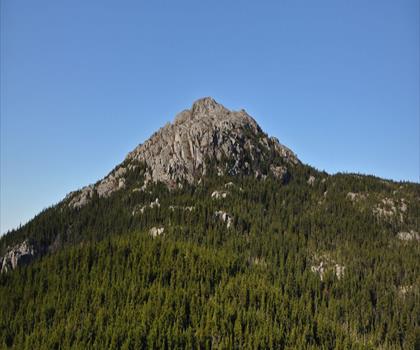
Gap Mountain
Monadnock Region

Wapack National Wildlife Refuge
Monadnock Region
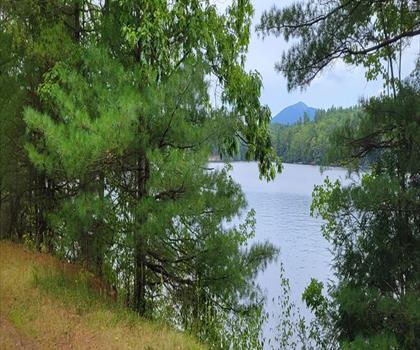
Gap Mountain Trail South
Monadnock Region

Pitcher Mountain Trailhead
Monadnock Region

Pack Monadnock
Monadnock Region
Silver Mountain Trail
Monadnock Region
Hiking near Manchester
0 trails to explore ~55 km away
We work hard to provide the most up-to-date and error-free data possible. If something seems incorrect, let us know! Your contribution helps the whole community.
Hikers' opinions
Be the first to review!
No hiker has shared their experience yet. Share your impressions and help other hikers!