
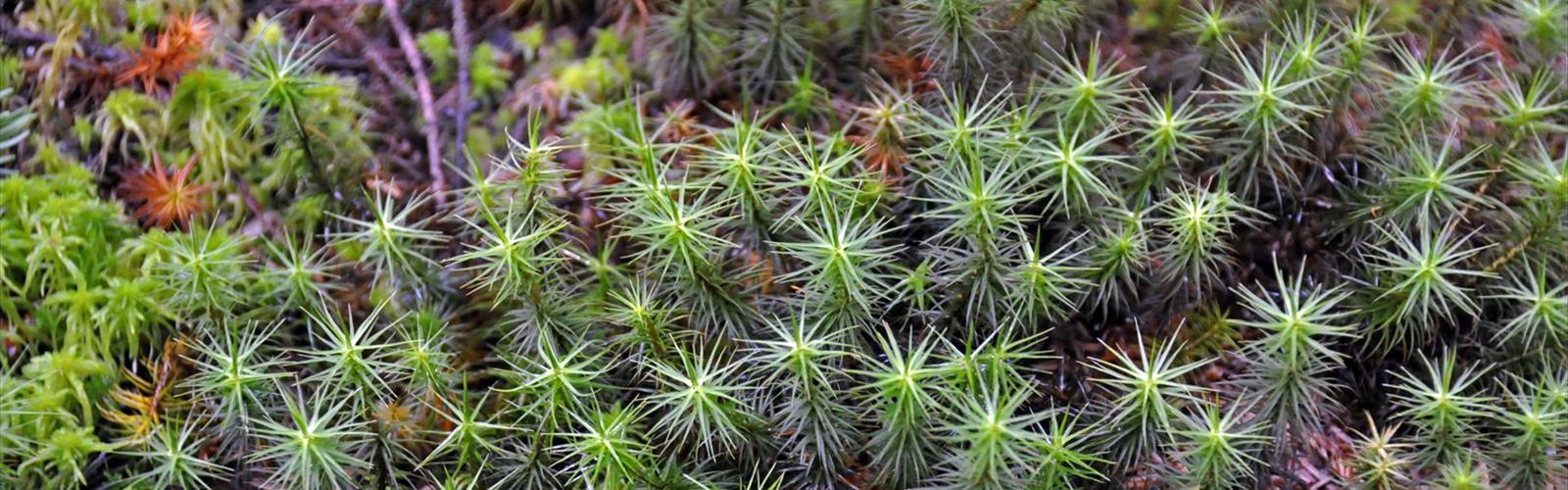

Ready to explore Wapack National Wildlife Refuge? Here's everything you need to know before you go!
Discover the trail

Photos: U. S. Fish and Wildlife Service - Northeast Region — Domaine public (Wikimedia Commons)
Trail description
The Wapack National Wildlife Refuge offers hikers a chance to explore one of New Hampshire's most diverse natural areas, where 1,600 acres of pristine wilderness showcase the best of the Monadnock Region's varied landscapes. This refuge stands out not just for its size, but for the remarkable range of ecosystems packed into its boundaries—from dense hardwood forests to quiet wetlands that reflect the sky on still mornings.
What makes this refuge particularly special is its connection to hiking history. The historic Wapack Trail, one of the oldest interstate hiking trails in the United States, runs directly through the refuge, giving you the opportunity to walk in the footsteps of generations of hikers who have traversed this route between Mount Monadnock and Mount Watatic. The trail system here caters to different hiking preferences, whether you're looking for a gentle walk through the wetlands or a more challenging climb to the scenic overlooks.
Trail Experience and Terrain
The refuge's trail network takes you through dramatically different environments within a single hike. You'll start in mixed hardwood forests where the canopy creates a natural cathedral overhead, with sunlight filtering through maple, oak, and birch leaves. The forest floor changes with the seasons—spring brings wildflowers and fresh green growth, while fall transforms the area into a tapestry of reds, oranges, and golds that rivals any New England destination.
As you progress along the trails, the terrain opens up to reveal the refuge's wetland areas. These aren't just scenic—they're active ecosystems where you can observe the intricate relationships between water, plants, and wildlife. The boardwalks and viewing areas let you get close to these sensitive areas without disturbing the habitat.
The moderate difficulty rating reflects the steady but manageable nature of the hiking here. You'll encounter rolling terrain with gradual ascents that build your heart rate without overwhelming you. The trail surfaces vary from packed earth through the forest sections to wooden boardwalks over the wetlands, keeping your footing interesting throughout the journey. Root systems and occasional rocky sections require attention, but nothing that demands technical hiking skills.
Wildlife and Natural Features
The refuge's diverse habitats support an impressive variety of wildlife that you're likely to encounter during your visit. White-tailed deer are common throughout the area, often seen in the early morning or late afternoon as they move between feeding and resting areas. The wetlands attract waterfowl, while the forest sections come alive with songbirds—their calls and songs providing a natural soundtrack to your hike.
The refuge's design as a wildlife sanctuary means that animal activity is generally higher here than in more heavily trafficked hiking areas. This creates excellent opportunities for wildlife photography and observation, but it also means you should be prepared to move quietly and patiently if you want to maximize your chances of wildlife encounters.
The scenic overlooks scattered throughout the refuge provide panoramic views of the surrounding mountains and valleys. These viewpoints are strategically positioned to showcase the broader landscape of the Monadnock Region, giving you perspective on how the refuge fits into the larger ecosystem of southern New Hampshire. The elevation changes create natural viewing platforms where you can pause to take in the scenery and spot wildlife movement in the valleys below.
What Sets This Location Apart
Unlike many popular hiking destinations in New Hampshire that focus primarily on summit views, the Wapack National Wildlife Refuge offers a more holistic outdoor experience. The combination of historical significance through the Wapack Trail, diverse ecosystems, and active wildlife management creates an environment where every season brings something different to discover.
The refuge's location in the Monadnock Region puts it within easy reach of population centers, yet it maintains a sense of remoteness and tranquility that's increasingly rare in accessible natural areas. The extensive trail network means that even on busier days, you can find quieter sections where the only sounds are wind through the trees and the calls of resident birds.
The wetland areas are particularly noteworthy because they represent habitat types that have become less common throughout New England. These areas serve as crucial stopping points for migratory birds and provide year-round habitat for species that depend on the interface between water and land environments. Walking through these sections gives you a front-row seat to observe how different species adapt to and utilize these unique ecosystems.
Planning Your Visit
The refuge works well for both day trips and as part of longer hiking adventures in the Monadnock Region. The trail system is designed to accommodate different fitness levels and time constraints, so you can customize your route based on your group's preferences and abilities. The moderate terrain makes this an excellent choice for hikers who want a solid workout without the commitment of a full-day mountain ascent.
The varied terrain means you'll want to wear sturdy hiking boots, especially if you plan to explore the wetland boardwalks and forest sections in the same trip. The elevation changes, while not extreme, are consistent enough that you'll want to dress in layers and bring adequate water for your hiking experience. The boardwalk sections can be slippery when wet, so good tread on your footwear becomes especially important.
Each season offers distinct advantages for visiting the refuge. Spring brings migrating birds and emerging wildflowers, summer provides full access to all trail sections and the best wildlife viewing, fall delivers spectacular foliage, and winter transforms the landscape into a quiet, snow-covered sanctuary perfect for snowshoeing and winter hiking. The wetland areas are particularly dynamic, changing character dramatically as water levels and vegetation respond to seasonal cycles.
The Essential Hiking Checklist
Everything you need for your next hike. Bilingual, printable, 1 page.
Get your free hiking checklistRecommended gear for this trail
As an Amazon Associate I earn from qualifying purchases.


Ready to go?
Everything you need to know before you goStarting Point
The wapack national wildlife refuge is located in Greenfield, New Hampshire. To get to the start of the trails, take Route 31 east from Greenfield for about 4 miles. The refuge entrance will be on the left.
When?
How much?
As an Amazon Associate I earn from qualifying purchases.
Affiliate links — LGPO may earn a commission at no extra cost to you.
- Hiking shoes Essential
- → Salomon Elixir Tour Mid WP · 203.38 $
- Layered clothing Essential
- Rain jacket Essential
- Trekking poles
- → Black Diamond Trail Ergo Cork · 69.99 $
- Headlamp
- → Petzl Actik Core 625 · 103.95 $
FAQ - Frequently asked questions
Everything you need to knowSimilar hikes nearby
Discover other trails you might enjoy
Gap Mountain
Monadnock Region
Gap Mountain Trail South
Monadnock Region

Pitcher Mountain Trailhead
Monadnock Region
Monadnock State Park
Monadnock Region

Pack Monadnock
Monadnock Region
Silver Mountain Trail
Monadnock Region
Hiking near Manchester
0 trails to explore ~35 km away
We work hard to provide the most up-to-date and error-free data possible. If something seems incorrect, let us know! Your contribution helps the whole community.
Hikers' opinions
Be the first to review!
No hiker has shared their experience yet. Share your impressions and help other hikers!