

Ready to explore Balsam Lake Mountain Wild Forest? Here's everything you need to know before you go!
Discover the trail
Trail description
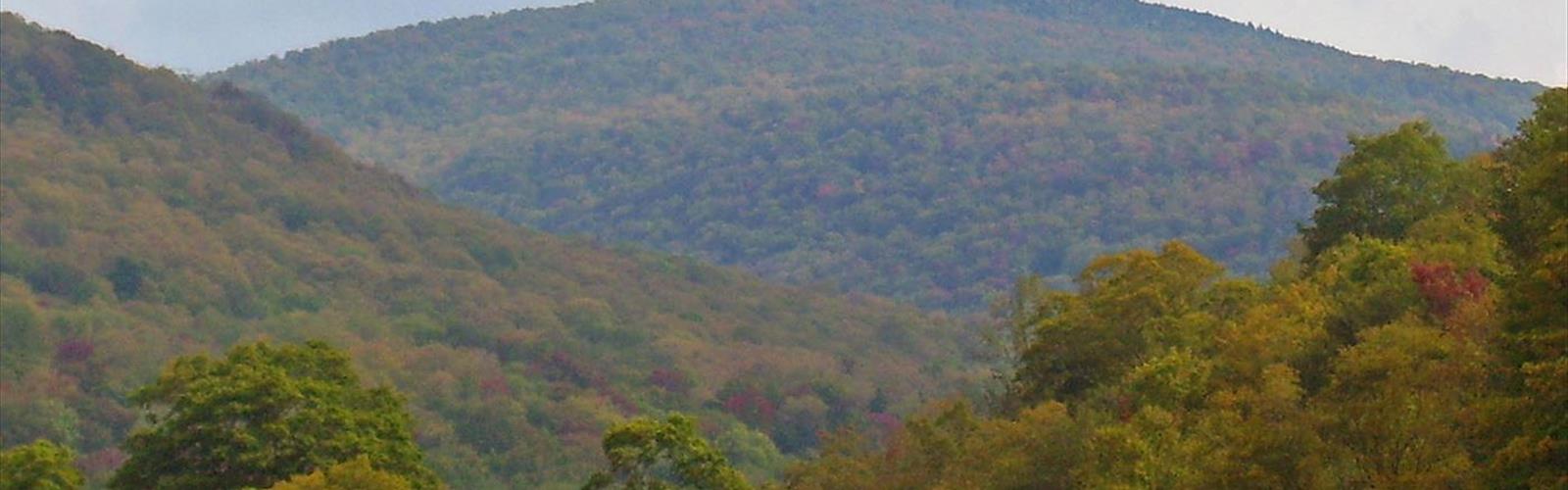
Balsam Lake Mountain Wild Forest sprawls across 13,500 acres in the heart of New York's Catskill Mountains, offering some of the region's most rewarding hiking experiences. This expansive wilderness area in Ulster County provides access to multiple trail systems, including routes to one of the Catskills' celebrated 35 peaks over 3,500 feet.
The forest's crown jewel is Balsam Lake Mountain itself, rising to 3,723 feet and topped with a historic fire tower that delivers sweeping panoramic views across the Catskill region. The climb to this summit represents the area's most popular hiking objective, drawing both seasoned peak-baggers working through the Catskills 3500 list and casual hikers seeking spectacular vistas.
Trail Network and Terrain
The trail system here accommodates hikers of varying experience levels, from gentle woodland walks to challenging mountain ascents. The main route to Balsam Lake Mountain's summit follows well-established paths through dense hardwood forests, gradually climbing through terrain that shifts from mixed deciduous woods at lower elevations to more rugged mountain slopes as you approach the peak.
For those seeking extended adventures, the Dry Brook Ridge Trail provides access to the broader Finger Lakes Trail system. This connection opens up possibilities for longer treks through diverse Catskill landscapes, passing through areas near Hardenburgh and Alder Lake. Each section of trail reveals different aspects of the region's natural character, from intimate creek valleys to exposed ridgeline views.
The terrain throughout the wild forest varies considerably. Lower elevation sections wind through lush woodlands where the forest floor supports rich understory vegetation. As trails climb toward higher elevations, hikers encounter rockier ground and steeper grades, particularly on approaches to mountain summits. Stream crossings appear regularly along many routes, adding both scenic interest and occasional navigation considerations during high water periods.
Wildlife and Natural Features
The forest's 13,500 acres support diverse wildlife populations typical of the Catskill region. White-tailed deer move through the woodlands year-round, while red foxes hunt along forest edges and clearings. Birdwatchers can expect to encounter various species throughout the seasons, from migrating warblers in spring to resident woodpeckers and hawks.
Spring transforms the forest floor into a carpet of wildflowers, with trilliums, bloodroot, and wild leeks emerging as snow melts. Summer brings full canopy cover that provides welcome shade during warm weather hiking, while the understory fills with ferns and seasonal blooms that add color to the green woodland palette.
Water features prominently throughout the area, with streams and seasonal waterfalls adding both visual appeal and practical considerations for route planning. The nearby Beaverkill Valley, accessible via Mill Brook Road and Beaverkill Road, extends the region's appeal with pristine waters that attract fishing enthusiasts exploring New York State's renowned trout streams.
Seasonal Considerations
Each season brings distinct advantages for visiting Balsam Lake Mountain Wild Forest. Summer offers the most straightforward hiking conditions, with fully accessible trails and comfortable temperatures for extended outdoor time. The dense canopy provides natural cooling, making even challenging climbs more manageable during warm weather.
Fall delivers the Catskills' famous foliage display, when maples, birches, and other deciduous trees create brilliant red and gold canopies. This season often provides the year's clearest mountain views, as crisp air enhances visibility from elevated viewpoints like the Balsam Lake Mountain fire tower.
Winter transforms the trail network into routes suitable for snowshoeing and cross-country skiing. Snow-covered paths take on a serene quality, and winter views through bare trees reveal landscape features hidden during leafy seasons. However, winter visitors should prepare for significantly more challenging conditions, including potential trail obscurity and the need for specialized equipment.
Spring hiking requires careful timing, as mud season can make trails difficult and environmentally sensitive. Early spring often provides excellent wildlife viewing opportunities as animals become more active, but hikers should expect variable conditions and potentially challenging footing.
Access and Planning
Multiple entry points provide access to the wild forest, with designated parking areas serving different trail systems. The main approaches to Balsam Lake Mountain begin from established trailheads that offer adequate parking for day hikers, though popular weekends and peak foliage periods can fill available spaces.
Trail conditions vary seasonally and after weather events, making pre-trip condition checks valuable for planning purposes. Weather forecasts become particularly important for summit attempts, as conditions can change rapidly at higher elevations and exposed locations like the fire tower.
Essential gear varies by season but should always include adequate water, food, and clothing appropriate for changing mountain conditions. The elevation gain to Balsam Lake Mountain's summit of 372 meters requires steady effort over the typical 3 to 4 hour round trip, making proper preparation important for enjoyable hiking.
The Balsam Lake Club operates in the area and contributes to local conservation efforts, though their private lands remain separate from the public wild forest access. Their presence reflects the ongoing commitment to preserving this region's natural character while maintaining public recreational opportunities.
Navigation generally follows well-marked trails, though carrying appropriate maps and navigation tools remains advisable, particularly for longer routes or winter conditions when trail markers may be obscured. The connection to the Finger Lakes Trail system opens possibilities for extended backpacking trips for those seeking multi-day adventures in the broader Catskill region.
The Essential Hiking Checklist
Everything you need for your next hike. Bilingual, printable, 1 page.
Get your free hiking checklistRecommended gear for this trail
As an Amazon Associate I earn from qualifying purchases.


Ready to go?
Everything you need to know before you goStarting Point
The start of the trails at the balsam lake mountain wild forest can be accessed from the hamlet of Cranberry Lake in the town of Cranberry Lake, New York.
When?
How much?
As an Amazon Associate I earn from qualifying purchases.
Affiliate links — LGPO may earn a commission at no extra cost to you.
- Hiking shoes Essential
- → Salomon Elixir Tour Mid WP · 203.38 $
- Layered clothing Essential
- Rain jacket Essential
- Trekking poles
- → Black Diamond Trail Ergo Cork · 69.99 $
- Headlamp
- → Petzl Actik Core 625 · 103.95 $
FAQ - Frequently asked questions
Everything you need to knowSimilar hikes nearby
Discover other trails you might enjoy

Old Mill Falls
Catskills
Catskill Scenic Trail
Catskills
Cliff Lake
Catskills
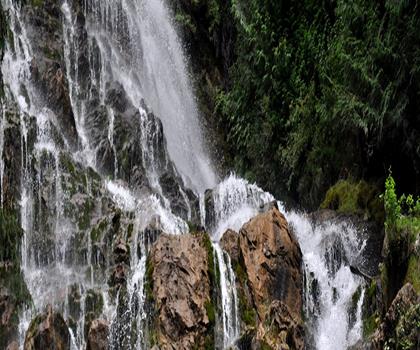
Plattekill Falls
Catskills
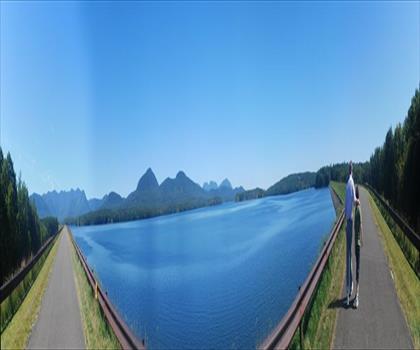
Ashokan Reservoir
Catskills
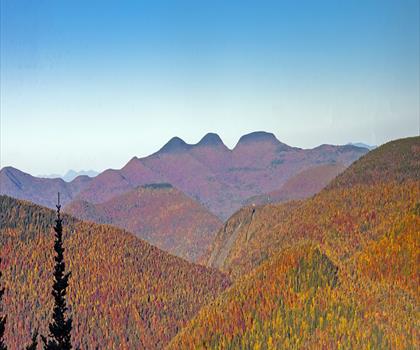
Devil's Path Trail
Catskills
Hiking near Poughkeepsie
0 trails to explore ~69 km away
We work hard to provide the most up-to-date and error-free data possible. If something seems incorrect, let us know! Your contribution helps the whole community.
Hikers' opinions
Be the first to review!
No hiker has shared their experience yet. Share your impressions and help other hikers!