
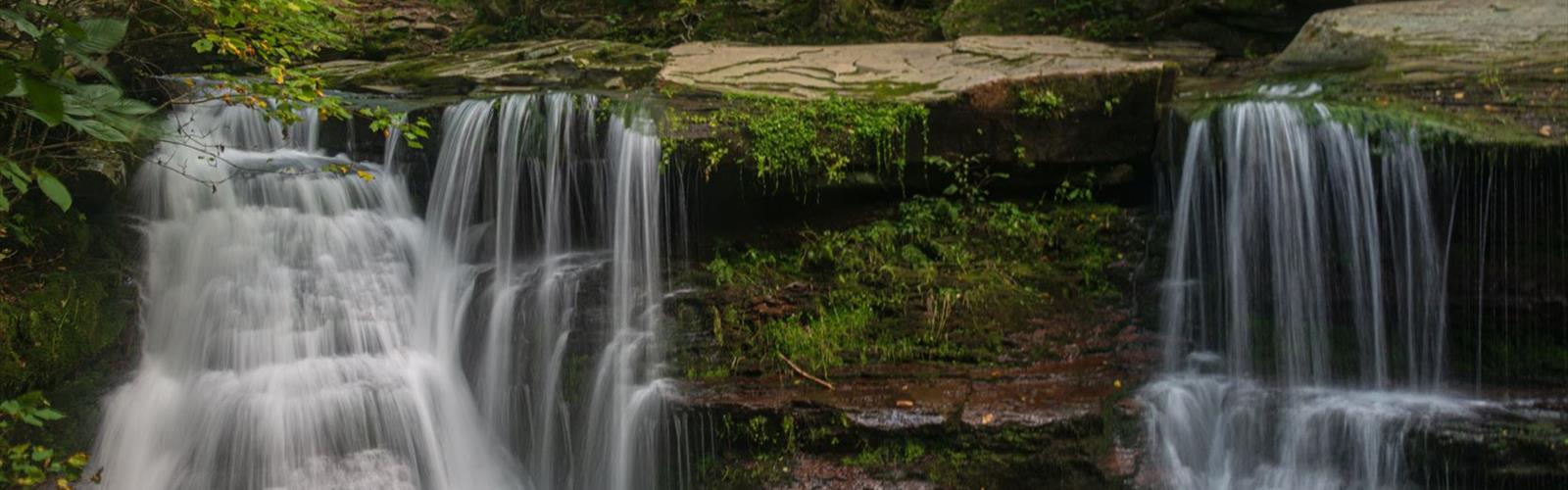

Ready to explore Diamond Notch Falls? Here's everything you need to know before you go!
Discover the trail
Trail description
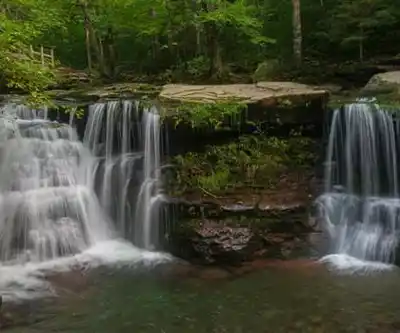
Diamond Notch Falls is one of those spots in the Catskills that earns its reputation the honest way — not through hype, but through sheer natural character. Tucked into the western Catskills, this waterfall destination draws hikers looking for a rewarding payoff in a landscape that feels genuinely wild. The falls themselves are dramatic, cascading through a rocky notch carved by West Kill Creek, and the surrounding terrain gives you a real sense of what makes the Catskills distinct from other ranges in the Northeast.
The Falls and the Notch
Diamond Notch Falls sits at the base of Diamond Notch, a gap between West Kill Mountain and Evergreen Mountain. The creek funnels through this narrow passage and drops over a series of ledges before pooling below — the kind of scene that makes you stop and just look for a while. The water volume varies with the season and recent rainfall, but even in drier stretches, the falls hold their shape well thanks to the bedrock structure of the notch itself.
The pool at the base is a popular spot to cool off in warmer months. The rock slabs around the falls offer natural seating, and the hemlock-lined banks keep things shaded and cool even when temperatures climb. It's a genuinely comfortable place to spend time, not just a quick photo stop.
The Approach
The trail to Diamond Notch Falls follows the Diamond Notch Trail, which runs along West Kill Creek for much of the approach. The path is well-marked and maintained, though it crosses the creek at least once — something to keep in mind after heavy rain or during spring snowmelt when water levels can rise significantly. Waterproof footwear or a willingness to get your feet wet is a practical consideration here.
The terrain is classic Catskills: a mix of rooted singletrack, mossy boulders, and sections where the trail hugs the creek closely enough that you can hear the water the whole way in. The forest is predominantly northern hardwood — maple, birch, beech — with hemlock stands near the water. It's a dense, green corridor that feels enclosed in the best way.
The trail is accessible from the Diamond Notch trailhead off Spruceton Road in the town of West Kill. Parking is available at the trailhead, though the lot fills up quickly on weekends and summer holidays. Arriving early is genuinely the move here — not just for parking, but because the falls are noticeably more peaceful before the midday crowd arrives.
Beyond the Falls
For hikers who want more than a waterfall visit, Diamond Notch is also the jumping-off point for longer routes into the Catskill High Peaks. The Diamond Notch Trail continues through the notch and connects to trails leading up West Kill Mountain, one of the Catskill 3500 peaks. This makes the falls a natural rest stop or turnaround point for those doing a bigger day, and a standalone destination for those who just want the waterfall experience without a full mountain climb.
The area sits within the Catskill Park, which means the land is managed under New York State's forever wild provisions. No motorized vehicles, no mountain bikes on the marked trails — it's foot traffic only, which keeps the experience consistent and the trail corridor in good shape.
What to Expect on the Ground
- Trail surface: Rooted singletrack with rocky sections, especially near the creek and falls. Footing requires attention.
- Creek crossings: At least one crossing on the approach — conditions vary significantly with rainfall and season.
- Shade: The trail is heavily forested and shaded for most of its length, which makes it a reasonable choice on hot days.
- Crowds: This is a popular destination. Weekday visits or early morning starts make a real difference in the experience.
- Dogs: Dogs are permitted on leash in the Catskill Park. The creek crossings and rocky terrain are manageable for most dogs, but keep that in mind for smaller or older animals.
- Fees: No entry fee. Parking at the Spruceton Road trailhead is free.
Practical Notes
Cell service in the Spruceton Valley is limited, so downloading an offline map before you go is worth the two minutes it takes. The New York-New Jersey Trail Conference maps cover this area well and are available in both print and digital formats.
The trailhead on Spruceton Road is clearly signed, and the Diamond Notch Trail itself is marked with blue DEC trail markers. Navigation is straightforward, but the creek crossings can be disorienting after heavy rain when the water is high and the usual stepping stones are submerged.
Facilities at the trailhead are minimal — there's parking and a register, but no restrooms. Plan accordingly, especially if you're bringing kids.
When to Go
Late spring through early fall is the primary window for most visitors. The falls are at their most powerful during spring runoff, when snowmelt from the surrounding peaks pushes significant volume through the notch. Summer brings the crowds but also the best swimming conditions at the base pool. Fall foliage in the Catskills is genuinely excellent, and the Diamond Notch corridor is no exception — the hardwood mix turns the approach trail into something worth the trip on its own.
Winter access is possible but requires appropriate gear and experience. The creek crossings become more serious in cold conditions, and ice on the rocks near the falls adds a layer of risk that casual hikers should weigh carefully.
Diamond Notch Falls rewards the hikers who show up prepared and give themselves enough time to actually sit at the falls rather than just check the box and head back to the car.
The Essential Hiking Checklist
Everything you need for your next hike. Bilingual, printable, 1 page.
Get your free hiking checklistRecommended gear for this trail
As an Amazon Associate I earn from qualifying purchases.


Ready to go?
Everything you need to know before you goStarting Point
The diamond notch falls trailhead is located on Route 214 in the town of Diamond Notch in New York.
When?
How much?
As an Amazon Associate I earn from qualifying purchases.
Affiliate links — LGPO may earn a commission at no extra cost to you.
- Hiking shoes Essential
- → Salomon Elixir Tour Mid WP · 203.38 $
- Layered clothing Essential
- Rain jacket Essential
- Trekking poles
- → Black Diamond Trail Ergo Cork · 69.99 $
- Headlamp
- → Petzl Actik Core 625 · 103.95 $
FAQ - Frequently asked questions
Everything you need to knowSimilar hikes nearby
Discover other trails you might enjoy

Old Mill Falls
Catskills
Catskill Scenic Trail
Catskills
Cliff Lake
Catskills
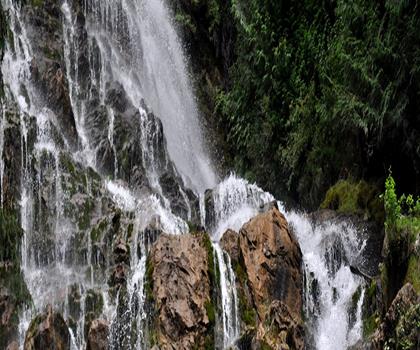
Plattekill Falls
Catskills
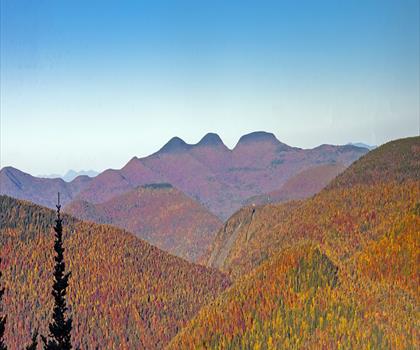
Devil's Path Trail
Catskills
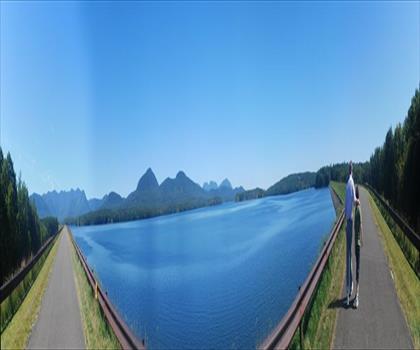
Ashokan Reservoir
Catskills
Hiking near Poughkeepsie
0 trails to explore ~59 km away
We work hard to provide the most up-to-date and error-free data possible. If something seems incorrect, let us know! Your contribution helps the whole community.
Hikers' opinions
Be the first to review!
No hiker has shared their experience yet. Share your impressions and help other hikers!