

Ready to explore Eagle Mountain, New York? Here's everything you need to know before you go!
Discover the trail
Trail description
Eagle Mountain rises from the Catskills region of New York as a compelling destination that delivers both challenge and accessibility in one package. This peak offers hikers a genuine mountain experience without requiring an expedition-level commitment, making it particularly valuable for those seeking substantial elevation gain within a manageable day hike framework.
The mountain's trail system showcases the diverse character of Catskills hiking, from dense hardwood forests at lower elevations to more exposed terrain as you climb toward the summit. What sets Eagle Mountain apart from other regional peaks is its combination of significant vertical challenge—packed into 6.4 kilometers—and the technical interest provided by multiple stream crossings along Shandaken Brook.
Trail Experience and Terrain
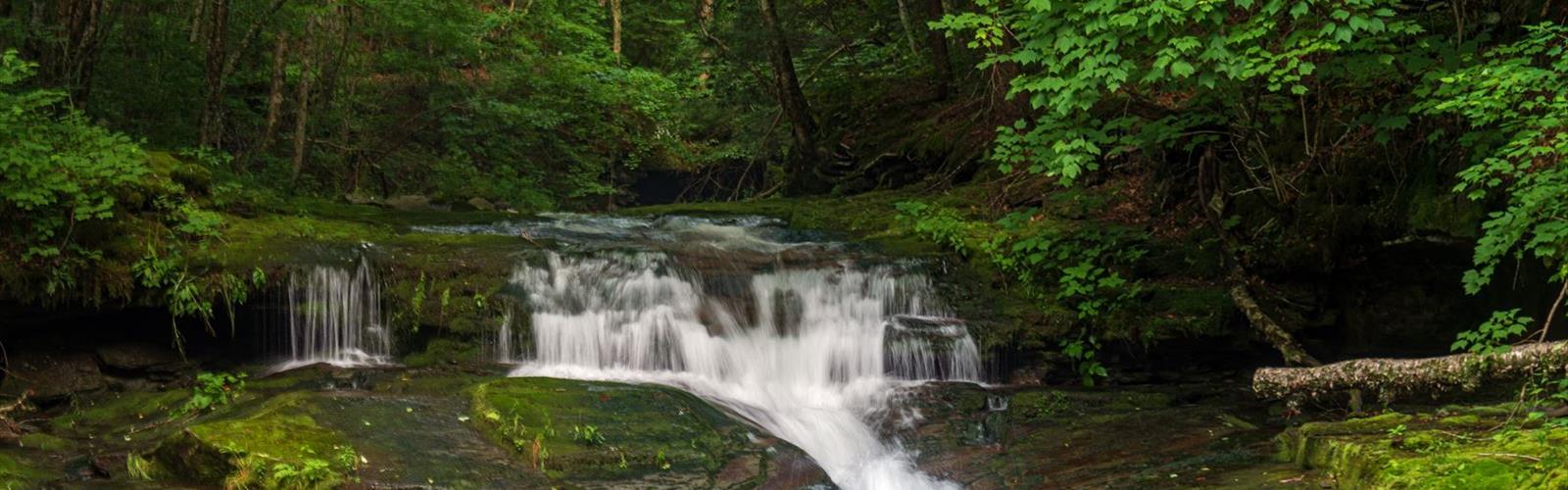
The well-marked trail system accommodates different hiking objectives, though the primary draw remains the summit route that delivers the full elevation experience. This main trail begins in mixed forest typical of the Catskills, where you'll move through stands of maple, birch, and oak that create spectacular tunnel-like passages during peak foliage season.
As you gain elevation, the character of the hike shifts notably. The initial forest walking gives way to steeper grades where the trail becomes more technical and demanding. Rock outcroppings become more frequent, and the canopy opens periodically to provide glimpses of the surrounding Catskills landscape stretching in all directions. The sustained climb tests your endurance as you work through switchbacks and rocky sections that require careful foot placement.
The stream crossings along Shandaken Brook represent one of the hike's most distinctive features. These aren't simple step-across situations—they require attention to foot placement and add a genuine element of route-finding to the experience. The crossings are most challenging during spring snowmelt and after heavy rains, when water levels rise and rock surfaces become slippery. The sound of flowing water accompanies much of the lower portion of the hike, creating a natural soundtrack that enhances the wilderness atmosphere.
For those preferring less demanding terrain, the lower trail network provides excellent alternatives. These routes wind through the same beautiful forest environments and follow portions of Shandaken Brook without committing to the full summit push. The lower trails offer prime opportunities for wildlife observation, particularly bird watching, as the varied habitat supports diverse species throughout the seasons.
The Challenge Factor
Eagle Mountain earns its hard difficulty rating through the relentless nature of its ascent. You're climbing consistently throughout most of the 6.4-kilometer route, with few flat sections to provide relief. This sustained effort over the estimated 3.5-hour duration makes proper pacing essential for success.
The technical aspects increase as you approach higher elevations. Rocky scrambles become more frequent, and exposed root systems require careful navigation, especially when wet. The combination of physical demand and technical terrain makes this hike unsuitable for beginners, but rewarding for those ready to push their limits.
Summit Views and Seasonal Highlights
The summit of Eagle Mountain delivers panoramic views that justify the substantial climb required to reach them. From the top, the vista encompasses the rolling peaks and valleys characteristic of the Catskills region, with layers of ridgelines extending to the horizon. On clear days, the view provides excellent perspective on the scale and beauty of this protected landscape.
The mountain's appeal changes dramatically with the seasons, making it a destination worth visiting multiple times throughout the year. Spring brings vibrant wildflower displays along the trail corridors, particularly in the lower elevations where forest openings allow sunlight to reach the ground. The variety of blooms creates colorful accents against the fresh green of emerging leaves.
Fall transforms Eagle Mountain into one of the region's premier foliage destinations. The mixed hardwood forest creates a kaleidoscope of colors that peaks typically in early to mid-October. The elevation gain means you'll experience different stages of color change as you climb, with the summit often showing more advanced autumn colors than the trailhead.
Winter hiking on Eagle Mountain requires serious preparation and experience, as the elevation gain and exposed sections can create challenging conditions. However, experienced winter hikers will find the snow-covered landscape offers a completely different perspective on the mountain's character.
Wildlife and Natural Features
Eagle Mountain earned its name from the majestic eagles that can be spotted in the area, though sightings require patience and luck. More commonly observed wildlife includes various hawk species, woodpeckers, and the typical forest birds of the Catskills region. The diverse habitat created by elevation changes and water features supports a rich ecosystem that makes wildlife observation a rewarding component of any visit.
The presence of Shandaken Brook adds significantly to the mountain's ecological diversity. The stream corridor supports different plant communities than the surrounding forest, creating edge habitat that attracts various species. The brook also provides a reliable water source, though hikers should always carry sufficient water for the full climb given the demanding nature of the ascent.
Planning Your Visit
The 3.5-hour duration estimate reflects the substantial nature of the full summit hike, particularly given the significant elevation gain involved. This timing allows for a steady pace with breaks for rest, photography, and wildlife observation. Experienced hikers in excellent condition may complete the route more quickly, while those new to challenging mountain hiking should plan for additional time.
Sturdy hiking boots are essential for Eagle Mountain, particularly given the stream crossings and rocky terrain encountered at higher elevations. The varied surfaces and potential for wet conditions make proper footwear a safety requirement rather than just a comfort consideration. Trekking poles prove invaluable for the steep descents and stream crossings.
Water requirements are substantial given the elevation gain and duration of the hike. Carry more than you think you'll need, especially during warmer months when the climb becomes more demanding. While Shandaken Brook provides water along portions of the route, relying on natural sources requires proper filtration equipment.
Late spring and early fall represent optimal visiting seasons when weather conditions are most favorable and the natural displays are at their peak. Late spring offers wildflowers and comfortable temperatures, while early fall provides spectacular foliage and crisp, clear days ideal for summit views. Eagle Mountain's accessibility from major population centers makes it an excellent choice for day trips or weekend getaways, providing a genuine mountain challenge within reach of urban areas.
The Essential Hiking Checklist
Everything you need for your next hike. Bilingual, printable, 1 page.
Get your free hiking checklistRecommended gear for this trail
As an Amazon Associate I earn from qualifying purchases.


Ready to go?
Everything you need to know before you goStarting Point
To access the hiking trails, you can start at the primary trailhead located at the end of Seager Road. From Route 28 in Big Indian, take County Road 47 (Oliverea Road) south for about 7 miles. Turn right onto Seager Road and follow it to the end where you'll find parking available. There are no alternative trailheads for this location.
When?
How much?
As an Amazon Associate I earn from qualifying purchases.
Affiliate links — LGPO may earn a commission at no extra cost to you.
- Hiking shoes Essential
- → Salomon Elixir Tour Mid WP · 203.38 $
- Layered clothing Essential
- Rain jacket Essential
- Trekking poles
- → Black Diamond Trail Ergo Cork · 69.99 $
- Headlamp
- → Petzl Actik Core 625 · 103.95 $
FAQ - Frequently asked questions
Everything you need to knowSimilar hikes nearby
Discover other trails you might enjoy

Old Mill Falls
Catskills
Catskill Scenic Trail
Catskills
Cliff Lake
Catskills
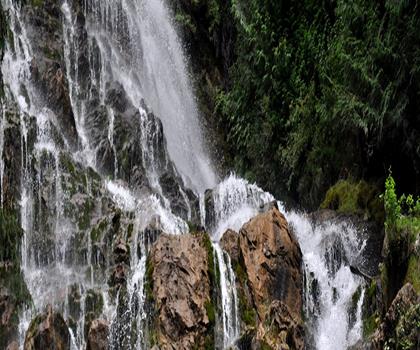
Plattekill Falls
Catskills
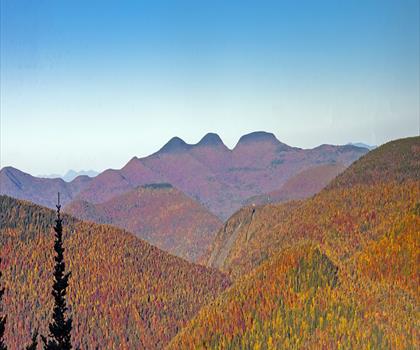
Devil's Path Trail
Catskills
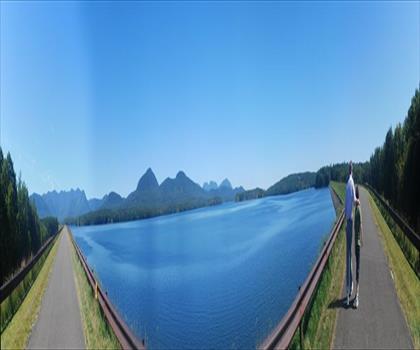
Ashokan Reservoir
Catskills
Hiking near Poughkeepsie
0 trails to explore ~63 km away
We work hard to provide the most up-to-date and error-free data possible. If something seems incorrect, let us know! Your contribution helps the whole community.
Hikers' opinions
Be the first to review!
No hiker has shared their experience yet. Share your impressions and help other hikers!