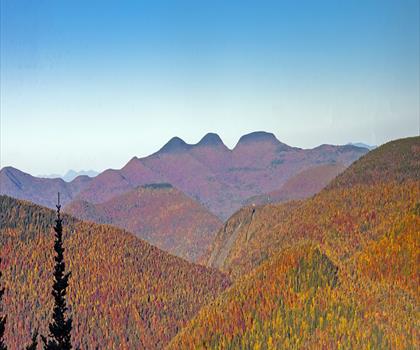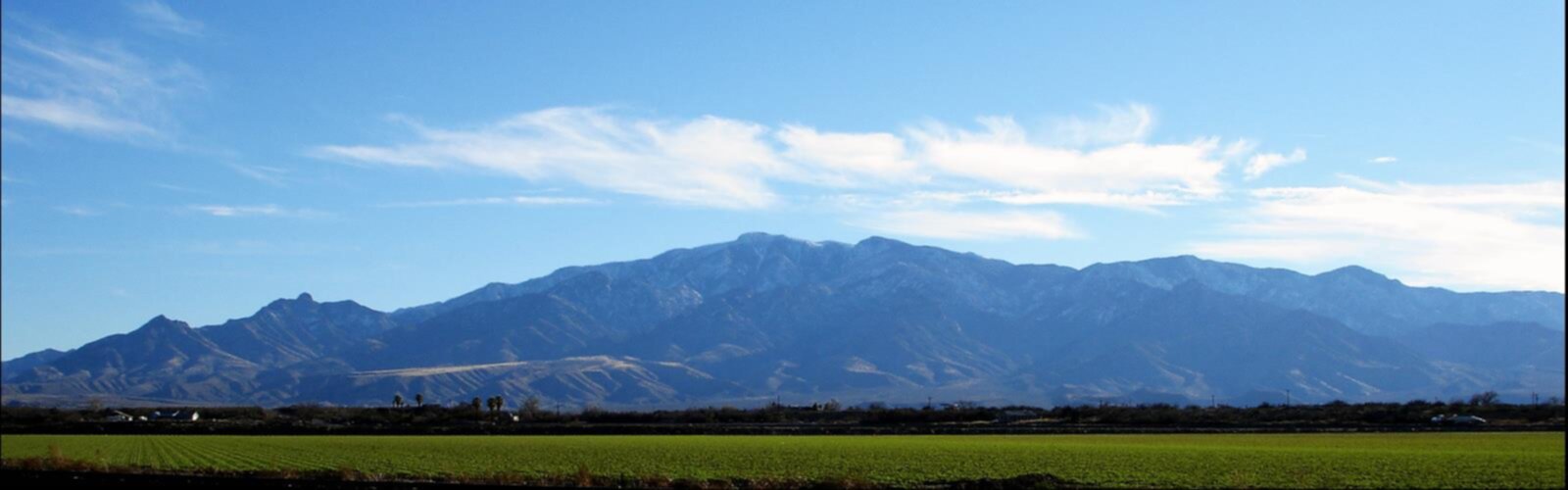
Ready to explore Graham Mountain, New York? Here's everything you need to know before you go!
Discover the trail
Trail description
Description
Graham Mountain rises to 3,868 feet in the heart of New York's Catskill Mountains, making it one of the region's highest peaks and a worthy addition to any Catskill High Peaks list. Unlike its more famous neighbors, this summit offers something increasingly rare in the popular Catskills—genuine solitude and an intimate wilderness experience wrapped in dense, old-growth forest.
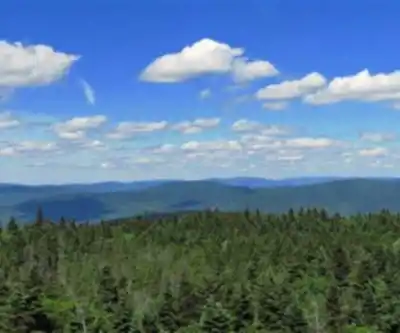
What sets Graham Mountain apart isn't dramatic vistas or Instagram-worthy overlooks. The wooded summit keeps its rewards subtle and earned. Instead, this peak delivers something more profound: miles of pristine forest hiking through towering hardwoods and conifers, the kind of deep woodland experience that feels increasingly precious as more trails see heavy traffic. The dense canopy creates a cathedral-like atmosphere where dappled sunlight filters through layers of leaves, and the forest floor stays cool even on hot summer days.
The Trail Experience
The adventure begins near Mill Brook Road, where you'll immediately understand this isn't your typical marked trail experience. Graham Mountain presents a moderately challenging but navigationally complex hike that demands respect and preparation. The 27.2-kilometer round trip with 1,179 meters of elevation gain typically takes 4 to 6 hours, but the unmarked nature of the route can extend that significantly if you lose the path.
The ascent winds through some of the Catskills' most pristine forest environments. You'll climb through mixed hardwood forests dominated by maple, birch, and oak at lower elevations, gradually transitioning into the spruce-fir zone as you gain altitude. The understory varies dramatically with the seasons—spring brings wildflowers and fresh green growth, summer offers deep shade and lush ferns, fall explodes with color, and winter reveals the forest's bare bones architecture.
Wildlife encounters are common given the trail's remote nature. White-tailed deer browse quietly in clearings, while black bears occasionally cross paths with hikers. Bird life is particularly rich, with everything from common songbirds to occasional raptors soaring overhead. The relative isolation means animals here are less habituated to human presence, offering more authentic wildlife viewing opportunities.
The terrain itself varies from gentle grades to steeper pitches, with occasional rocky sections that require careful footing. Stream crossings appear throughout the route, some requiring rock-hopping skills, especially during spring snowmelt or after heavy rains. The trail surface ranges from soft forest duff to exposed roots and rocks, demanding attention to foot placement throughout the hike.
Navigation and Access Challenges
Graham Mountain's unmarked status makes it a serious navigation challenge that separates it from casual day hikes. The route follows old logging roads, game trails, and bushwhack sections that can disappear entirely under snow or fallen leaves. A detailed topographic map and GPS device aren't just recommended—they're essential equipment for this hike.
The trailhead near Mill Brook Road provides the most reliable access point, though even finding the correct starting point requires local knowledge or careful map work. Multiple old roads and trails branch off in various directions, making it easy to start on the wrong path entirely.
Adding complexity to the navigation challenge is the fact that Graham Mountain sits on private land. This means hikers must stay strictly on established routes and respect all property boundaries. Posted signs mark private areas, and straying from the accepted hiking route can lead to trespassing issues.
Extended Exploration Options
Graham Mountain serves as an excellent base for exploring the broader region's attractions. Beaverkill Road and Dry Brook offer additional scenic routes that showcase different aspects of Catskill beauty, including views of the Delaware River and access to Balsam Lake. These areas provide their own hiking opportunities and can easily fill a weekend itinerary.
For those traveling from New York City, the relatively accessible location makes Graham Mountain an ideal weekend destination. The drive takes you through classic Catskill scenery, and the area offers enough variety to satisfy different hiking preferences within the same trip.
Brook Ridge and lesser-known spots like Tunis provide additional exploration opportunities for those who want to extend their Catskill adventure beyond a single peak. Each location offers its own character and challenges, from gentle valley walks to more technical ridge scrambles.
Preparation and Considerations
Success on Graham Mountain requires more preparation than typical Catskill hikes. The unmarked nature of the route means you need solid map and compass skills, plus the confidence to navigate by terrain features when the path becomes unclear. GPS devices provide backup navigation, but shouldn't be your primary method since battery life and satellite reception can be unreliable in dense forest.
Weather conditions dramatically affect trail difficulty. Rain makes the route slippery and can wash out key landmarks used for navigation. Snow obscures the already faint path entirely, making winter ascents extremely challenging even for experienced hikers. Spring mud season can make certain sections nearly impassable.
The private land status requires extra attention to Leave No Trace principles. Pack out all trash, stay on established routes, camp only in designated areas if overnight trips are planned, and respect any posted signs or property markers. The continued access to this peak depends on hikers maintaining positive relationships with landowners.
Water sources exist along the route, but they're not always reliable, especially during dry periods. Carrying sufficient water for the entire hike is the safest approach, particularly given the potential for route-finding delays that could extend your time on the trail significantly.
Graham Mountain rewards hikers who appreciate the journey over the destination, offering a genuine wilderness experience in an increasingly developed region. The combination of challenging navigation, pristine forest environments, and hard-earned solitude makes this peak a standout choice for experienced hikers seeking something beyond the typical marked trail experience.
Ready to go?
Everything you need to know before you goStarting Point
To access the hiking trails, you can start at the trailhead located on Mill Brook Road. The parking area is near the intersection of Mill Brook Road and Dry Brook Ridge Trail. If you're coming from Route 28, take County Road 49 (Mill Brook Road) south for about 6 miles to reach the parking lot. There are no alternative trailheads for this location.
When?
How much?
- Hiking shoes Essential
- Layered clothing Essential
- Rain jacket Essential
- Trekking poles
- Headlamp
FAQ - Frequently asked questions
Everything you need to knowThe Essential Hiking Checklist
Everything you need for your next hike. Bilingual, printable, 1 page.
Download the free checklistSimilar hikes nearby
Discover other trails you might enjoy
Old Mill Falls
Catskills
Catskill Scenic Trail
Catskills
Cliff Lake
Catskills
Bearpen Mountain
Catskills
Black Dome
Catskills
Plattekill Falls
Catskills
Hiking near Poughkeepsie
0 trails to explore ~64 km away
We work hard to provide the most up-to-date and error-free data possible. If something seems incorrect, let us know! Your contribution helps the whole community.
Hikers' opinions