
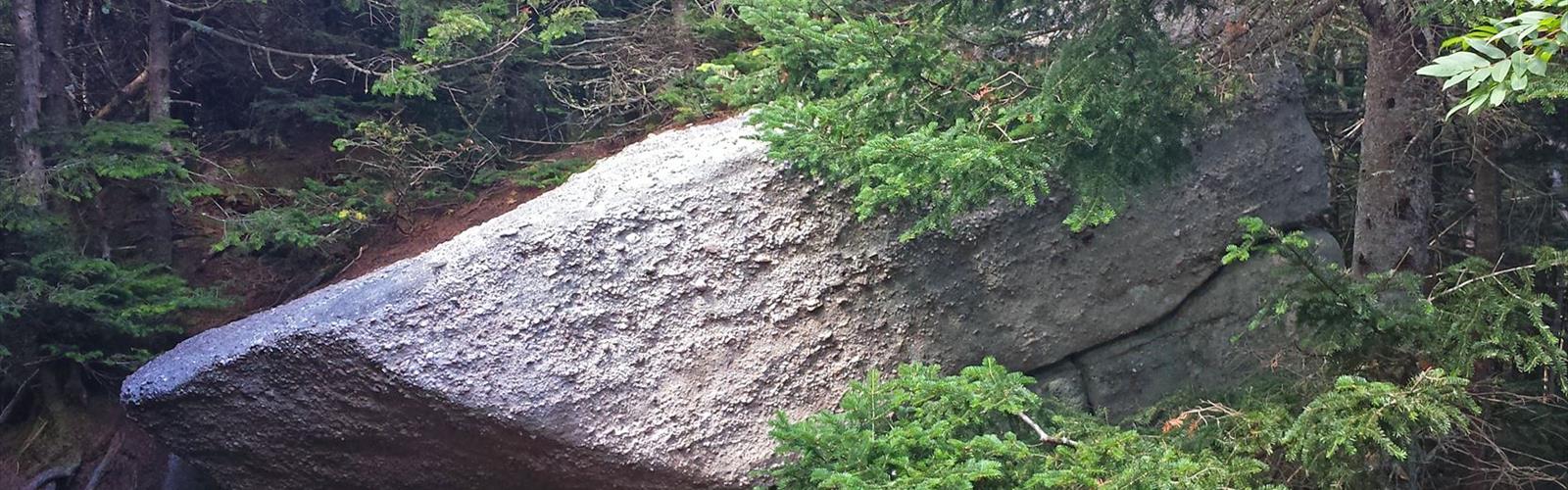

Ready to explore Rocky Mountain, New York? Here's everything you need to know before you go!
Discover the trail
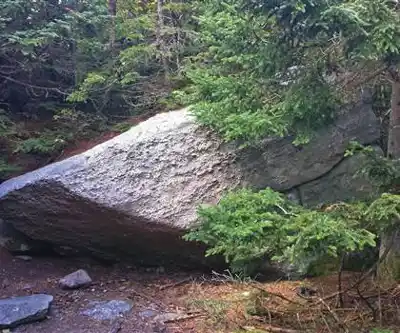
Photos: Kevin Kenny from Niskayuna, NY, Schenectady. Cropped and color-corrected prior to upload by Daniel Case — CC BY-SA 2.0 (Wikimedia Commons)
Trail description
Rocky Mountain stands out as one of New York's most rewarding hiking destinations, offering a genuine escape from urban life into pristine wilderness. Located in the Catskills region, this mountain delivers an impressive 1,069 meters of elevation gain that challenges hikers while rewarding them with spectacular views and diverse terrain. The 6 to 8-hour journey to the summit makes this a serious day hike that attracts both local adventurers and visitors from across the Northeast.
What sets Rocky Mountain apart from other Catskills peaks is its combination of varied ecosystems and the proximity to the stunning Fulton Chain of Lakes. This series of eight interconnected lakes, including the popular Fourth Lake, creates a unique hiking experience where mountain and water landscapes complement each other perfectly. The lakes are easily accessible from Eagle Bay in County York, making it simple to combine your mountain adventure with waterfront activities.
Trail Experience and Terrain
The mountain features a network of trails designed to accommodate different skill levels, though the substantial elevation gain means even the easier routes require reasonable fitness. Beginner-friendly trails follow gentler inclines with well-marked paths, making them suitable for families with older children who are comfortable with longer hikes. These routes wind through the mountain's lower elevations, passing through mixed hardwood forests where you'll encounter towering maples, oaks, and birches.
Intermediate trails present moderate elevation changes as they cut through dense woodlands and emerge into open meadows. These paths offer the perfect balance of challenge and accessibility, with steady climbs that build endurance without overwhelming less experienced hikers. The terrain varies from soft forest floor covered in pine needles to rockier sections that require more careful footing.
Advanced trails tackle the steepest sections of Rocky Mountain, featuring sustained climbs over rocky terrain that demand proper hiking experience and fitness. These challenging routes include scrambles over exposed rock faces and navigate through narrow passages between boulders. The final approach to the summit involves the most technical terrain, where hikers need to use hands for balance and carefully plan each step.
Throughout the ascent, the forest composition changes noticeably. Lower elevations feature rich deciduous forests with thick canopy cover, while higher sections transition to mixed forests with increasing numbers of conifers. Near the summit, the trees become smaller and more sparse, creating opportunities for views even before reaching the top.
Wildlife and Natural Features
Rocky Mountain supports a healthy population of wildlife that hikers regularly encounter. White-tailed deer are common throughout the area, often seen in the early morning or late afternoon in meadow clearings. Red and gray foxes inhabit the mountain's diverse ecosystems, though they're more elusive and typically spotted by observant hikers during quieter weekday visits.
The bird life is particularly impressive, with species varying by elevation and habitat. In the lower forests, listen for the calls of wood thrushes, scarlet tanagers, and various warbler species. Higher up, you might spot hawks circling overhead or hear the distinctive calls of ravens. The proximity to the Fulton Chain of Lakes adds waterfowl to the mix, including loons, herons, and various duck species that can be observed from overlooks.
The changing seasons transform Rocky Mountain's character dramatically. Fall brings the spectacular foliage display that the Catskills are famous for, with maples turning brilliant reds and oranges while birches add golden highlights. Winter hiking is possible for experienced hikers with proper equipment, offering the unique beauty of snow-covered trails and ice-draped rock formations. Spring brings wildflowers to the forest floor and the return of migratory birds, while summer offers the fullest canopy cover and warmest weather for extended hikes.
Summit Views and Rewards
The panoramic views from Rocky Mountain's summit justify every step of the challenging climb. The vantage point provides sweeping vistas across the Catskills region, with rolling mountains extending to the horizon in multiple directions. On clear days, hikers can identify numerous other peaks and valleys, creating an excellent opportunity to plan future adventures.
The Fulton Chain of Lakes appears as a series of blue gems nestled in the green landscape below. From this elevated perspective, you can appreciate the full scope of this lake system and understand why it's such a popular destination for water recreation. The contrast between the rugged mountain terrain and the serene lake environment creates a uniquely beautiful landscape that captures the essence of New York's diverse natural areas.
Fulton Chain Lakes Integration
The proximity to the Fulton Chain of Lakes significantly enhances any visit to Rocky Mountain. After completing your hike, these pristine waters offer perfect opportunities for cooling off with a swim, launching a kayak for a peaceful paddle, or trying your luck at fishing for bass, pike, and trout. Fourth Lake, the most developed of the chain, provides the easiest access and best facilities for post-hike relaxation.
The lakes maintain their appeal throughout the hiking season, with spring offering excellent fishing as waters warm up, summer providing ideal conditions for swimming and paddling, and fall delivering stunning reflections of the changing foliage on the calm water surfaces. Many hikers plan multi-day trips that combine mountain adventures with lakeside camping or lodging in the Eagle Bay area.
Preparation and Planning
The substantial elevation gain and 6 to 8-hour duration make proper preparation essential for a safe and enjoyable Rocky Mountain experience. Sturdy hiking boots with good ankle support are crucial for navigating the rocky terrain, especially on the advanced trails. Weather-appropriate clothing should include layers that can be adjusted as you gain elevation and encounter changing conditions.
Carry significantly more water than you might for shorter hikes – the extended duration and elevation gain increase hydration needs considerably. Pack high-energy snacks and a substantial lunch, as you'll need fuel for the demanding climbs and long day on the trail.
Always check current trail conditions and weather forecasts before departing, as conditions can change rapidly in mountain environments. The elevation gain means summit weather may differ significantly from conditions at the trailhead, so prepare for potentially cooler temperatures and stronger winds at higher elevations.
The Essential Hiking Checklist
Everything you need for your next hike. Bilingual, printable, 1 page.
Get your free hiking checklistRecommended gear for this trail
As an Amazon Associate I earn from qualifying purchases.


Ready to go?
Everything you need to know before you goStarting Point
To access the hiking trails, you can start at several trailheads. One option is the trailhead located at 2000 NY-30, Long Lake, NY 12847. Another starting point is the parking area at 1002 Adirondack Loj Road, Lake Placid, NY 12946. Both locations provide convenient access to the trails in the area.
When?
How much?
As an Amazon Associate I earn from qualifying purchases.
Affiliate links — LGPO may earn a commission at no extra cost to you.
- Hiking shoes Essential
- → Salomon Elixir Tour Mid WP · 203.38 $
- Layered clothing Essential
- Rain jacket Essential
- Trekking poles
- → Black Diamond Trail Ergo Cork · 69.99 $
- Headlamp
- → Petzl Actik Core 625 · 103.95 $
FAQ - Frequently asked questions
Everything you need to knowSimilar hikes nearby
Discover other trails you might enjoy

Old Mill Falls
Catskills
Catskill Scenic Trail
Catskills
Cliff Lake
Catskills
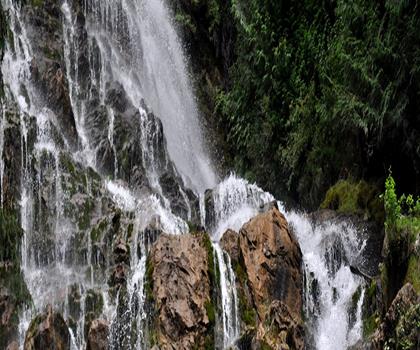
Plattekill Falls
Catskills
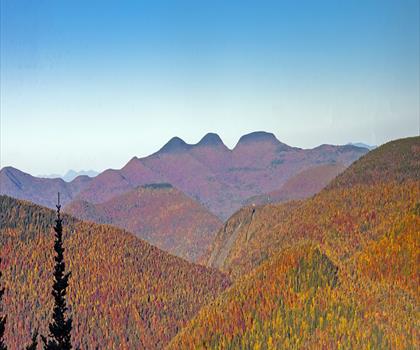
Devil's Path Trail
Catskills

Ashokan Reservoir
Catskills
Hiking near Poughkeepsie
0 trails to explore ~48 km away
We work hard to provide the most up-to-date and error-free data possible. If something seems incorrect, let us know! Your contribution helps the whole community.
Hikers' opinions
Be the first to review!
No hiker has shared their experience yet. Share your impressions and help other hikers!