


Ready to explore Tremper Mountain Trail? Here's everything you need to know before you go!
Discover the trail

Trail description
The Tremper Mountain Trail cuts through some of the most accessible yet rewarding terrain in New York's Catskill Mountains, delivering a satisfying mountain experience without the punishing climbs found elsewhere in the region. Located near the village of Phoenicia, this moderate 5.8-kilometer hike strikes an ideal balance between challenge and accessibility, making it a go-to choice for hikers looking to bag a Catskills peak without committing to an all-day epic.
What sets Tremper Mountain apart from other Catskills destinations is its combination of diverse forest environments and the payoff of a historic fire tower summit. The trail doesn't waste time with lengthy approaches—you're climbing steadily from the start, gaining 335 meters of elevation through mature hardwood forests that transition into mixed woods as you ascend. The path itself is well-maintained and clearly marked, though expect typical Catskills terrain: rocky sections, occasional muddy spots after rain, and root-crossed stretches that keep you focused on foot placement.
The Hiking Experience
From the trailhead, you'll immediately enter a canopy of mixed hardwoods that provides welcome shade during summer months and creates a tunnel of color during peak fall foliage season. The forest composition changes as you climb, with oak, maple, and birch giving way to more conifers near the summit. This transition offers hikers a mini-lesson in Catskills ecology, as the cooler temperatures and different soil conditions at higher elevations favor different tree species.
The trail's moderate difficulty comes from its steady upward grade rather than any technical challenges. You'll encounter typical Catskills trail features: stone steps built into steeper sections, wooden bridges over seasonal streams, and the occasional scramble over rock outcrops. The footing is generally secure, though wet conditions can make the abundant roots and rocks slippery. Most hikers complete the round trip in about 2.5 hours, though this varies based on fitness level and time spent enjoying the summit views.
Wildlife encounters add an element of discovery to the hike. White-tailed deer are common throughout the area, often spotted in the early morning or late afternoon. The diverse bird population includes year-round residents like woodpeckers, nuthatches, and chickadees, while spring and summer bring migrant species that fill the forest with song. Patient observers might spot chipmunks, squirrels, and the occasional wild turkey.
Seasonal Highlights
Spring transforms the trail into a wildflower showcase, with trout lilies, bloodroot, and wild leeks carpeting the forest floor before the canopy fully leafs out. This season also brings the most dramatic water flow in the small streams that cross the trail, creating miniature cascades and pools that add a musical soundtrack to your ascent.
Fall foliage season typically peaks in early to mid-October, when the mixed hardwood forest explodes in reds, oranges, and yellows. The contrast between the colorful deciduous trees and the dark green conifers creates some of the most photogenic forest scenes in the Catskills. This is also the busiest season on the trail, so early morning starts are recommended for those seeking solitude.
Winter hiking is possible but requires proper preparation. The trail can be icy, and microspikes or snowshoes may be necessary depending on conditions. The bare trees offer better views of the surrounding ridges during the climb, and the fire tower provides unobstructed winter vistas that showcase the Catskills' snow-covered peaks.
The Historic Fire Tower Summit
The trail's crown jewel is the restored fire tower that has stood sentinel over the Catskills since 1917. This steel structure represents an important chapter in American forest conservation history, when fire towers formed a network of early warning systems to protect valuable timber resources. The tower's construction and decades of service reflect the region's evolution from heavily logged landscape to protected forest.
Climbing the tower's stairs rewards hikers with 360-degree views that showcase the Catskills' distinctive geography. The panorama includes the high peaks to the north, the rolling hills extending toward the Hudson River Valley to the east, and the intricate pattern of ridges and valleys that define this ancient mountain range. On exceptionally clear days, the distant Hudson River Valley becomes visible, connecting this wilderness experience to the broader landscape of the region.
The tower platform provides an excellent spot for lunch and photography, though it can be crowded during peak times. The elevation and exposure make it noticeably cooler and windier than the surrounding forest, so bringing an extra layer is advisable even on warm days.
Practical Considerations
The trailhead's location near Phoenicia makes Tremper Mountain Trail particularly convenient for day trips from the Hudson Valley and beyond. The moderate elevation gain and well-maintained path make it accessible to hikers with varying experience levels, though proper footwear remains essential for navigating the rocky and root-covered sections.
Water sources along the trail are seasonal and should not be relied upon, especially during dry periods. Carrying at least two liters of water per person is recommended, along with snacks or lunch for the summit. Sturdy hiking boots provide the best traction on the rocky terrain, though trail runners are adequate in dry conditions.
The trail connects with several other hiking options in the area, including the Warner Creek Trail and Willow Trail, both of which offer different perspectives on the local landscape. These trails intersect with Jessup Road, creating opportunities for longer hiking adventures or loop routes for those wanting to extend their day on the mountain.
Beyond the Main Trail
The Tremper Mountain area serves as a gateway to exploring the broader Catskills region. The nearby Devil's Path offers significantly more challenging hiking for experienced adventurers seeking technical terrain and longer distances. This contrast makes the area appealing to groups with varying skill levels, as different members can choose appropriate challenges while staying in the same general area.
The historical significance of the region extends beyond the fire tower itself, with the surrounding landscape bearing witness to the Catskills' transformation from industrial resource extraction to recreational destination. Understanding this context adds depth to the hiking experience and connects visitors to the broader story of American conservation efforts in these ancient mountains.
The Essential Hiking Checklist
Everything you need for your next hike. Bilingual, printable, 1 page.
Get your free hiking checklistRecommended gear for this trail
As an Amazon Associate I earn from qualifying purchases.


Ready to go?
Everything you need to know before you goStarting Point
The tremper mountain trail is located in the town of Shandaken, New York. To get to the start of the trails, take NY 28 east from Kingston or west from Phoenicia. Turn onto Tremper Mountain Road and drive to the end.
When?
How much?
As an Amazon Associate I earn from qualifying purchases.
Affiliate links — LGPO may earn a commission at no extra cost to you.
- Hiking shoes Essential
- → Salomon Elixir Tour Mid WP · 203.38 $
- Layered clothing Essential
- Rain jacket Essential
- Trekking poles
- → Black Diamond Trail Ergo Cork · 69.99 $
- Headlamp
- → Petzl Actik Core 625 · 103.95 $
FAQ - Frequently asked questions
Everything you need to knowSimilar hikes nearby
Discover other trails you might enjoy

Old Mill Falls
Catskills

Catskill Scenic Trail
Catskills
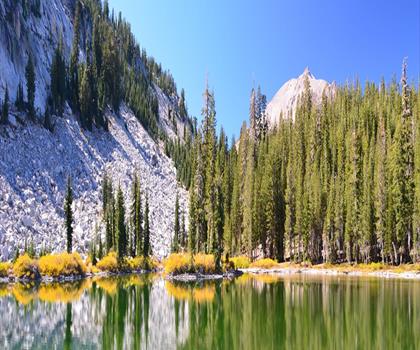
Cliff Lake
Catskills
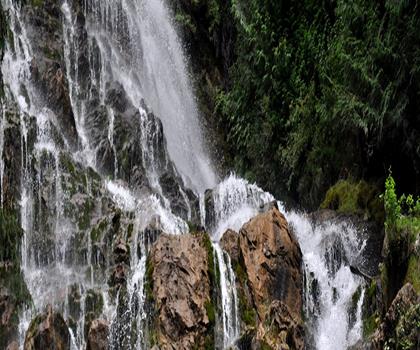
Plattekill Falls
Catskills

Devil's Path Trail
Catskills

Ashokan Reservoir
Catskills
Hiking near Poughkeepsie
0 trails to explore ~52 km away
We work hard to provide the most up-to-date and error-free data possible. If something seems incorrect, let us know! Your contribution helps the whole community.
Hikers' opinions
Be the first to review!
No hiker has shared their experience yet. Share your impressions and help other hikers!