

Ready to explore Oakland Lake? Here's everything you need to know before you go!
Discover the trail
Available trails
| TrailTrails | Dist.Distance | GainElevation | TimeDuration | Difficulty | GPX |
|---|---|---|---|---|---|
|
|
1.15 km | — | 15min | GPX |
GPX track: © OpenStreetMap contributors — ODbL 1.0
Trail description
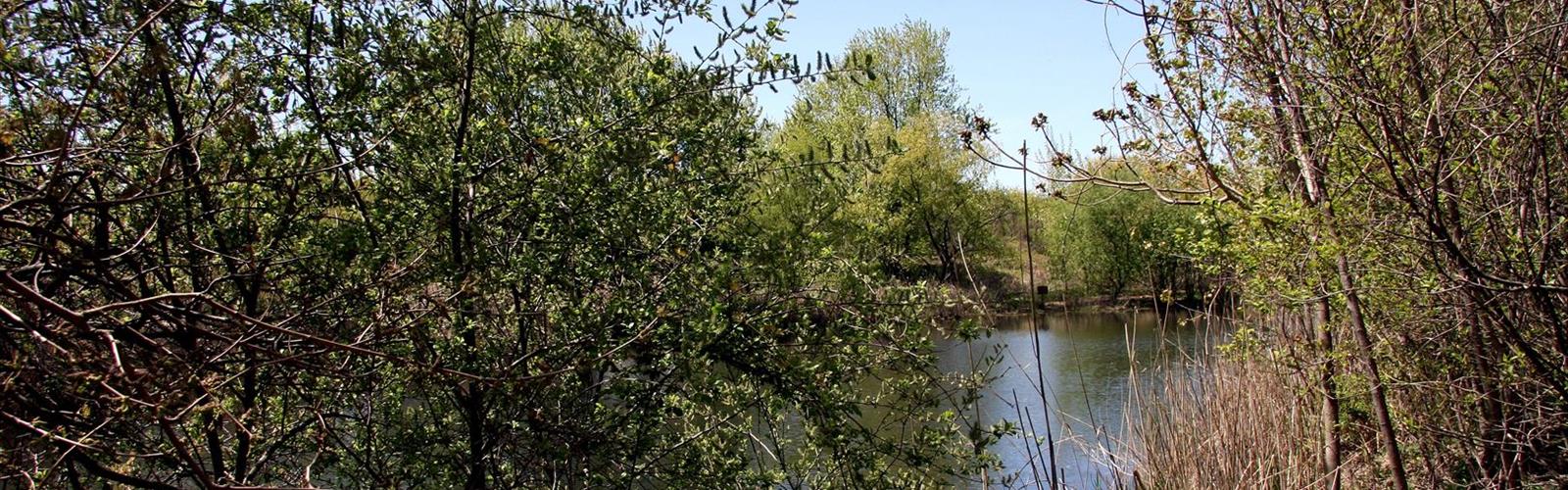
Oakland Lake sits quietly in the heart of Alley Pond Park, offering one of Queens' most accessible escapes into nature. This 15-acre glacial kettle pond formed thousands of years ago when retreating ice sheets left behind a depression that eventually filled with water. Today, it serves as the centerpiece of one of New York City's largest parks, providing a genuine wilderness experience just minutes from busy urban neighborhoods.
The lake itself reflects the surrounding canopy of mature oaks, maples, and tulip trees, creating mirror-like scenes that change dramatically with the seasons. During spring migration, the water comes alive with waterfowl, while summer brings families of ducks and the occasional great blue heron. The shoreline varies from sandy beaches where turtles bask to marshy inlets where red-winged blackbirds nest among the cattails.
Trail Network and Terrain
Several interconnected trails radiate from Oakland Lake, winding through distinctly different ecosystems within Alley Pond Park. The easiest routes follow well-maintained paths around the lake's perimeter, suitable for families with young children or anyone seeking a gentle walk. These level trails offer constant water views and multiple spots to pause and observe wildlife.
More challenging paths lead away from the lake into the park's interior woodlands and wetland areas. These trails involve moderate elevation changes as they climb small hills and descend into marshy valleys. The terrain shifts from packed earth near the lake to softer, sometimes muddy ground in the wetland sections, especially after rain. Root systems from large trees occasionally cross the path, requiring careful footing.
The diversity of landscapes within a relatively small area makes Oakland Lake particularly appealing for hikers who want to experience multiple ecosystems in a single outing. You'll move from open water views to dense forest canopy, then emerge into wetland clearings where the sky opens up again. This variety keeps the hiking experience engaging and provides different photographic opportunities around every bend.
Wildlife and Natural Features
The lake supports an impressive variety of wildlife for an urban location. Painted turtles and red-eared sliders regularly sun themselves on fallen logs, while mallards, Canada geese, and seasonal migrants like wood ducks use the water for feeding and nesting. The surrounding woods host year-round residents including cardinals, blue jays, and woodpeckers, along with seasonal visitors during spring and fall migrations.
Birdwatchers should bring binoculars and plan visits during early morning or late afternoon when activity peaks. The wetland areas prove particularly productive, as they attract species that prefer marshy environments over the deeper lake water. Great egrets occasionally visit during summer months, and sharp-eyed observers might spot belted kingfishers diving for fish.
The plant communities around Oakland Lake showcase the region's natural diversity. Native wildflowers bloom in woodland clearings during spring and summer, while the wetland areas support specialized plants adapted to periodic flooding. Interpretive signs along some trails help visitors identify common species and understand the ecological relationships between different habitats.
Facilities and Amenities
Multiple picnic areas with tables and benches are scattered throughout the park, many offering direct lake views. These spots provide ideal locations for lunch breaks during longer hikes or destinations for families planning outdoor meals. Most picnic areas include some shade from mature trees, making them comfortable even during warmer months.
The nearby Alley Pond Environmental Center serves as an excellent starting point for visits. Staff members can provide current trail conditions, wildlife sighting information, and maps showing the various route options. The center also offers educational programs about local ecosystems, making it particularly valuable for families with children or school groups interested in learning while exploring.
Restroom facilities are available near the main parking areas, and water fountains provide opportunities to refill bottles during longer outings. The park's maintenance keeps trails clearly marked, though some of the more remote paths may have less frequent upkeep than the main routes around the lake.
Access and Transportation
Oakland Lake's location in Queens makes it easily reachable by both public transportation and private vehicle. Multiple bus routes serve the area, connecting the park to subway stations and other parts of the borough. For visitors coming from Manhattan or other boroughs, the trip typically involves a subway ride followed by a short bus connection.
Drivers will find the park accessible from major highways including the Grand Central Parkway and Northern Boulevard. Parking areas near the lake can fill up during peak weekend hours, particularly in spring and fall when weather conditions are ideal for outdoor activities. Arriving early in the day or visiting during weekdays generally ensures easier parking availability.
The park's proximity to residential neighborhoods means that many visitors arrive on foot or by bicycle. Bike racks near the main entrances accommodate cyclists who want to combine their ride with a hiking experience around the lake.
Planning Your Visit
Most visitors spend between one and two hours exploring Oakland Lake and its immediate surroundings, though the extensive trail network in Alley Pond Park could easily occupy a full day for enthusiastic hikers. The relatively flat terrain around the lake makes it accessible year-round, though spring and fall offer the most comfortable temperatures and the best wildlife viewing opportunities.
Winter visits reveal the lake's structure more clearly when deciduous trees lose their leaves, and ice sometimes forms along the shoreline during particularly cold periods. Summer brings lush vegetation but also higher humidity and more crowded conditions, especially on weekends. Early morning visits during any season typically provide the most peaceful experience and the best chances for wildlife observation.
The combination of easy accessibility, diverse natural features, and well-maintained facilities makes Oakland Lake an excellent introduction to outdoor recreation for urban residents, while still offering enough variety and natural beauty to satisfy more experienced hikers seeking a quick nature fix without leaving the city.
The Essential Hiking Checklist
Everything you need for your next hike. Bilingual, printable, 1 page.
Get your free hiking checklistRecommended gear for this trail
As an Amazon Associate I earn from qualifying purchases.


Ready to go?
Everything you need to know before you goStarting Point
The trails at the oakland lake in New York can be accessed from the parking lot on oakland lake Road.
When?
How much?
As an Amazon Associate I earn from qualifying purchases.
Affiliate links — LGPO may earn a commission at no extra cost to you.
- Hiking shoes Essential
- → Salomon Elixir Tour Mid WP · 203.38 $
- Layered clothing Essential
- Rain jacket Essential
- Trekking poles
- → Black Diamond Trail Ergo Cork · 69.99 $
- Headlamp
- → Petzl Actik Core 625 · 103.95 $
FAQ - Frequently asked questions
Everything you need to knowSimilar hikes nearby
Discover other trails you might enjoy

Shadmoor State Preserve Trail Parking
Long Island

Glacier Ridge Bike Trail
Long Island
Sweetbriar Park
Long Island
Planting Fields Arboretum
Long Island
Avalon Nature Preserve
Long Island

Bayard Cutting Arboretum
Long Island
Hiking near New York City
0 trails to explore ~21 km away
We work hard to provide the most up-to-date and error-free data possible. If something seems incorrect, let us know! Your contribution helps the whole community.
Hikers' opinions
Be the first to review!
No hiker has shared their experience yet. Share your impressions and help other hikers!