


Ready to explore Flushing Meadows Corona Park? Here's everything you need to know before you go!
Discover the trail
Oh no! We don't have any photos 😢
This trail hasn't been captured yet. Be the first to share your adventure!Trail description
Flushing Meadows Corona Park is one of New York City's most expansive urban green spaces, stretching across Queens and offering a full 5.5 km loop through open lawns, lakeside paths, and wide pedestrian corridors. Whether you're looking for a relaxed morning walk, a place to jog, or simply somewhere to spend a few hours outside without leaving the city, this park delivers a genuinely pleasant outing with very little effort required. With a difficulty rating of Easy and an elevation gain of just 11 m, the route is accessible to a wide range of visitors — from casual walkers to families with young children in tow.
The park has a long history tied to two World's Fairs, and traces of that legacy are visible throughout the grounds in the form of large-scale structures and open plazas that give the space an unusually grand, almost ceremonial feel for a city park. Walking the full circuit takes around 1h30, though most people find themselves slowing down to take in the surroundings, watch people on the water, or simply sit for a while on the grass. The pace here is entirely your own.
It suits solo walkers, couples, joggers, and groups equally well — the paths are wide enough to accommodate everyone without feeling crowded, even on busier days.
The terrain at Flushing Meadows Corona Park
The terrain is almost entirely flat. With a maximum altitude of 15 m and an elevation gain of only 11 m across the full 5.5 km, there are no meaningful climbs or descents to contend with. The surface underfoot is a mix of paved paths and open park ground, making the route straightforward to navigate at any pace. This level profile is part of what makes the loop so approachable — there's no point at which the walk becomes physically demanding, and the 1h30 estimated duration reflects a comfortable, unhurried pace rather than anything strenuous.
The open layout of the park means you're rarely enclosed by dense vegetation. Sightlines are long across the lawns and around the lake areas, which gives the walk an airy, open quality that feels quite different from the more forested trails you'd find outside the city.
Access and parking
Entry to Flushing Meadows Corona Park is free of charge. The park is managed directly by Flushing Meadows Corona Park, and access is available at no cost to visitors.
Good to know
- The full loop covers 5.5 km with an elevation gain of 11 m — a genuinely easy outing by any measure.
- Plan for around 1h30 to complete the route at a relaxed pace.
- The highest point on the route sits at 15 m above sea level, so the terrain stays essentially flat throughout.
- Entry is free — there is no admission fee to access the park.
- The park is rated Easy, making it a solid choice for anyone who wants a low-effort walk in a large, open setting.
The Essential Hiking Checklist
Everything you need for your next hike. Bilingual, printable, 1 page.
Get your free hiking checklistRecommended gear for this trail
As an Amazon Associate I earn from qualifying purchases.


Ready to go?
Everything you need to know before you goStarting Point
The easiest way to get to the start of the trails at flushing meadows corona park is to take the 7 train to Mets-Willets Point Station.
When?
How much?
As an Amazon Associate I earn from qualifying purchases.
Affiliate links — LGPO may earn a commission at no extra cost to you.
- Hiking shoes Essential
- → Salomon Elixir Tour Mid WP · 203.38 $
- Layered clothing Essential
- Rain jacket Essential
- Trekking poles
- → Black Diamond Trail Ergo Cork · 69.99 $
- Headlamp
- → Petzl Actik Core 625 · 103.95 $
FAQ - Frequently asked questions
Everything you need to knowSimilar hikes nearby
Discover other trails you might enjoy
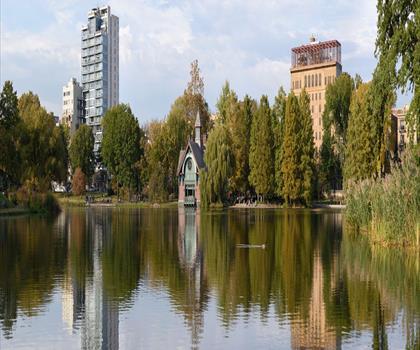
Central Park
New York City
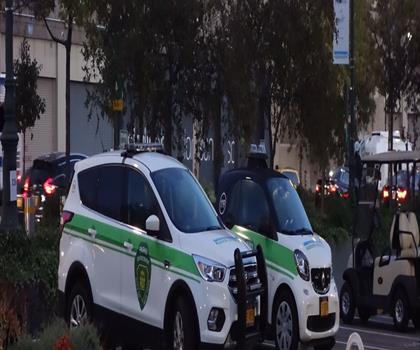
Hudson River Greenway
New York City
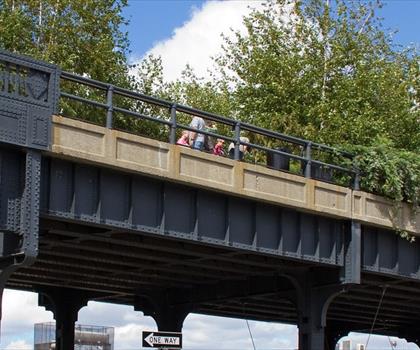
Beginning of High Line
New York City

Cunningham Park Mountain Bike Trailhead
New York City
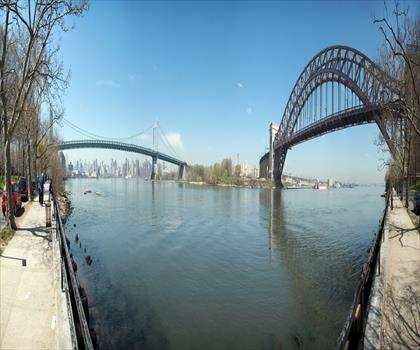
Astoria Park
New York City
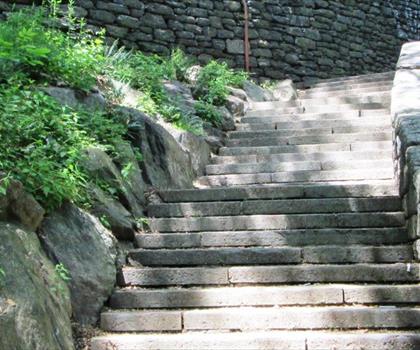
Fort Tryon Park
New York City
Hiking near New York City
0 trails to explore ~14 km away
We work hard to provide the most up-to-date and error-free data possible. If something seems incorrect, let us know! Your contribution helps the whole community.
Hikers' opinions
Be the first to review!
No hiker has shared their experience yet. Share your impressions and help other hikers!