
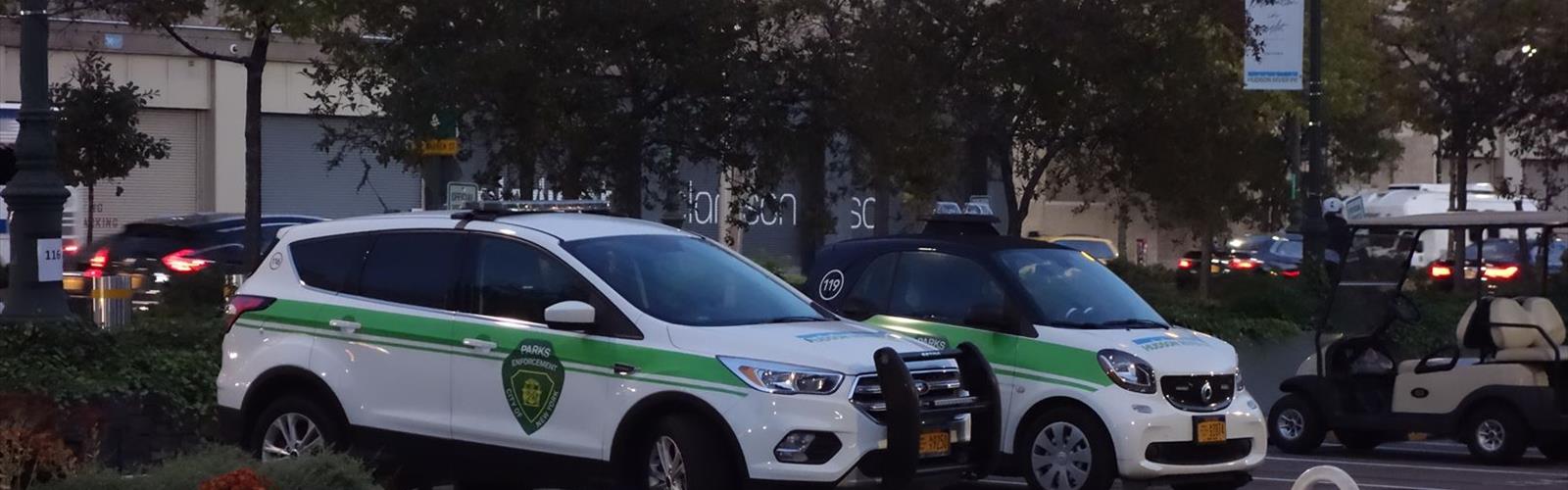

Ready to explore Hudson River Greenway? Here's everything you need to know before you go!
Discover the trail
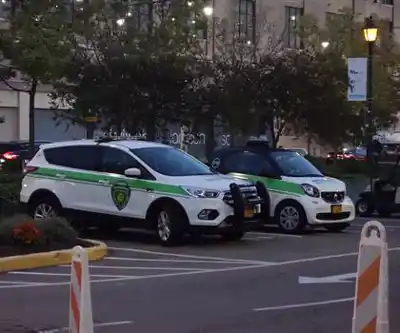
Trail description
The Hudson River Greenway transforms Manhattan's western waterfront into an accessible outdoor corridor that stretches 13 miles from Battery Park to the George Washington Bridge. As part of the larger Manhattan Waterfront Greenway, this paved pathway delivers consistent river views and urban scenery that changes dramatically as you move from the Financial District through Midtown and up to Washington Heights.
The trail runs almost entirely flat along the Hudson River's eastern shore, making it suitable for hikers of all fitness levels, families with strollers, wheelchair users, and cyclists sharing the wide pathway. The smooth asphalt surface and gentle grade mean you can focus on the scenery rather than watching your footing, though the trail does get busy during peak hours and weekends.
What to Expect on the Trail
Starting from Battery Park, the southern section offers expansive harbor views with the Statue of Liberty visible across the water. The pathway here feels more open and windswept, with fewer trees but dramatic sightlines across New York Harbor. As you head north, the character shifts significantly around Tribeca and the West Village, where the trail becomes more sheltered and park-like.
The middle section through Chelsea and Hell's Kitchen showcases some of the greenway's most developed amenities. You'll pass the massive Chelsea Piers sports complex, where the trail widens considerably and connects to multiple recreational facilities. The Intrepid Sea, Air & Space Museum creates a striking landmark with the aircraft carrier's flight deck extending over the water.
North of Midtown, the trail enters Riverside Park territory, where mature trees provide shade and the pathway feels more like a traditional park setting. This section offers some of the best birdwatching opportunities along the entire route, with various species attracted to the mix of water access and established vegetation. The northern reaches toward the George Washington Bridge become more residential and peaceful, with fewer crowds and a more neighborhood feel.
Key Landmarks and Stops
Riverside Park South anchors the upper portion of the greenway with well-maintained lawns, playgrounds, and regular programming. The park's design integrates seamlessly with the trail, offering natural stopping points and side paths to explore. Chelsea Piers represents the most activity-dense section, where the trail connects to golf ranges, rock climbing walls, and waterfront dining options.
The pathway passes numerous piers that extend into the Hudson River, many converted into public spaces with benches, fishing areas, and viewing platforms. These piers break up the linear nature of the walk and provide opportunities to get closer to the water. Several feature seasonal programming, outdoor art installations, or food vendors during warmer months.
Throughout the route, you'll encounter regular bench placement and designated picnic areas, particularly concentrated in the park sections. Water fountains and restroom facilities appear at reasonable intervals, though they're more frequent in the central Manhattan sections than at the trail's endpoints.
Planning Your Visit
The estimated duration of 2 to 3 hours assumes a leisurely pace with stops for photos and rest breaks. Serious hikers can cover the full 13 miles much faster, while families or those interested in exploring the various landmarks and side attractions might easily spend a full day on different sections.
The trail's urban setting means it's accessible year-round, though winter conditions can make the waterfront sections particularly windy and cold. Spring and fall offer the most comfortable temperatures, while summer brings the heaviest crowds but also the most active atmosphere with outdoor events and extended daylight hours.
Parking varies significantly depending on your chosen starting point. Battery Park area relies heavily on expensive garage parking, while sections further north offer more street parking options, though still limited. Public transportation provides the most practical access, with multiple subway lines connecting to various points along the greenway.
Wildlife and Natural Features
Despite its urban setting, the Hudson River Greenway supports surprising wildlife diversity. The river itself attracts various waterfowl throughout the year, with seasonal migrations bringing different species during spring and fall. The established trees in Riverside Park sections provide habitat for urban-adapted birds, making early morning or late afternoon the best times for wildlife observation.
The trail's design incorporates native plantings in many sections, creating green corridors that support local ecosystems while providing natural beauty. These planted areas also help buffer trail users from adjacent city streets and create more immersive outdoor experiences.
Regional Context
The Hudson River Greenway serves as an introduction to the broader Hudson Valley region, offering glimpses of the river system that extends north through some of New York's most scenic landscapes. The trail connects conceptually to the East River Greenway on Manhattan's opposite shore, creating opportunities for longer urban exploration routes.
For those inspired to explore beyond Manhattan, the greenway provides context for understanding the Hudson River's role in regional geography and history. The views north toward the George Washington Bridge hint at the river valley landscapes that continue through Harlem, the Bronx, and into the renowned Hudson Valley proper, where the river cuts through increasingly rural and mountainous terrain.
Staten Island's parks and natural areas offer a different perspective on New York City's outdoor opportunities, while the cultural richness of areas like Harlem provides additional context for understanding how urban green spaces connect to broader community and historical narratives.
The Essential Hiking Checklist
Everything you need for your next hike. Bilingual, printable, 1 page.
Get your free hiking checklistRecommended gear for this trail
As an Amazon Associate I earn from qualifying purchases.


Ready to go?
Everything you need to know before you goStarting Point
The hudson river greenway is a bike and pedestrian path that follows the Hudson River from Battery Park in Lower Manhattan to the George Washington Bridge in Upper Manhattan. The easiest way to get to the start of the trails at the hudson river greenway is to take the subway to the southern terminus of the path at Battery Park.
When?
How much?
As an Amazon Associate I earn from qualifying purchases.
Affiliate links — LGPO may earn a commission at no extra cost to you.
- Hiking shoes Essential
- → Salomon Elixir Tour Mid WP · 203.38 $
- Layered clothing Essential
- Rain jacket Essential
- Trekking poles
- → Black Diamond Trail Ergo Cork · 69.99 $
- Headlamp
- → Petzl Actik Core 625 · 103.95 $
FAQ - Frequently asked questions
Everything you need to knowSimilar hikes nearby
Discover other trails you might enjoy
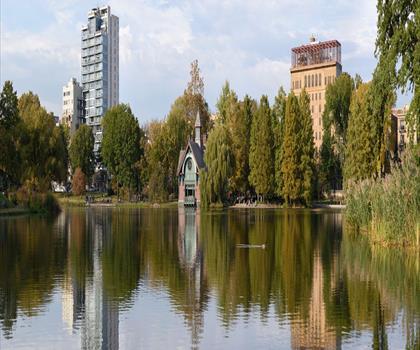
Central Park
New York City
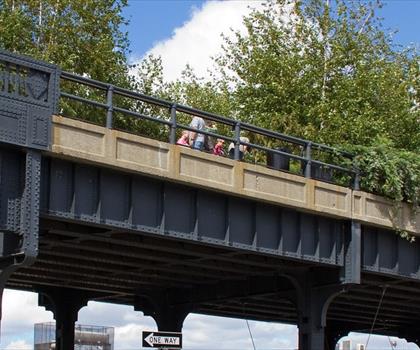
Beginning of High Line
New York City

Cunningham Park Mountain Bike Trailhead
New York City
Astoria Park
New York City
Fort Tryon Park
New York City
Shore Road Park
New York City
Hiking near New York City
0 trails to explore ~2 km away
We work hard to provide the most up-to-date and error-free data possible. If something seems incorrect, let us know! Your contribution helps the whole community.
Hikers' opinions
Be the first to review!
No hiker has shared their experience yet. Share your impressions and help other hikers!