
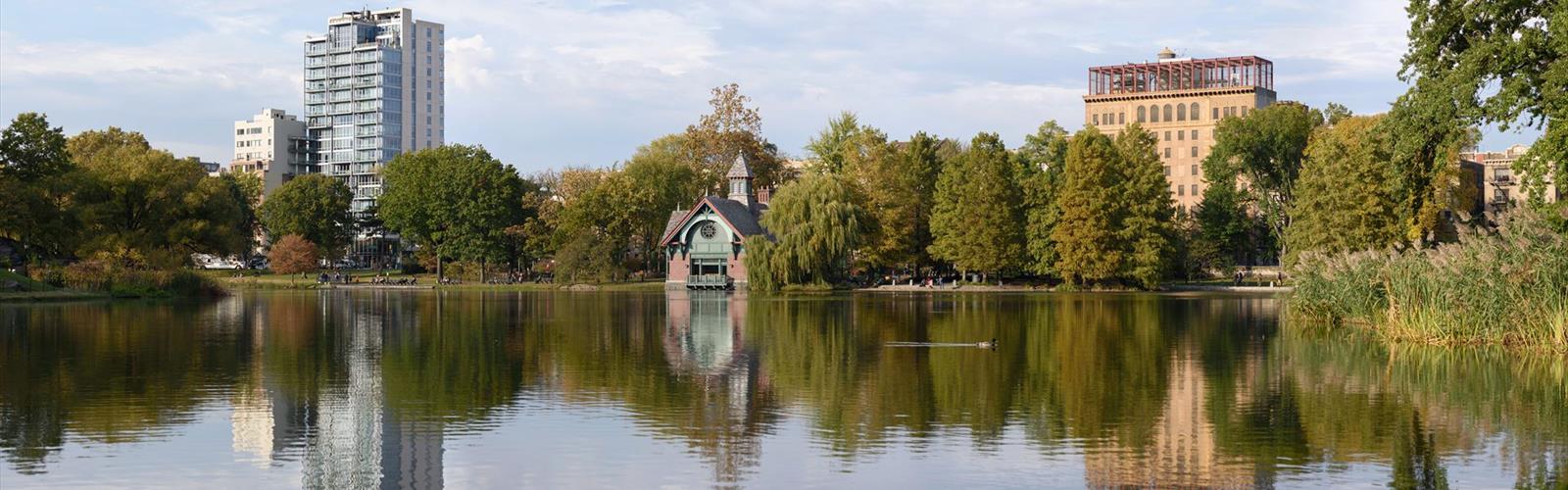

Ready to explore Central Park? Here's everything you need to know before you go!
Discover the trail
Trail description
Central Park stands as Manhattan's green heart, offering 843 acres of rolling terrain, winding paths, and natural landscapes right in the middle of one of the world's busiest cities. Stretching from 59th Street to 110th Street, this National Historic Landmark transforms the urban hiking experience into something unexpectedly peaceful and varied.
The park's network of walking tracks creates multiple route options for hikers of all preferences. You'll find yourself moving through distinctly different environments as you explore—from the formal landscapes around Bethesda Terrace to the wilder, more secluded areas of the North Woods. The terrain includes gentle hills that provide modest elevation changes throughout your walk, with the highest points offering views across the park's canopy toward the surrounding Manhattan skyline.
What makes Central Park unique for hiking is how Frederick Law Olmsted and Calvert Vaux's 1858 "Greensward Plan" created the illusion of being far from the city while remaining completely within it. The designers deliberately crafted sight lines and planted areas to block urban views, so you'll often find yourself surrounded by trees and natural features with only the distant tops of skyscrapers hinting at your true location.
Trail Network and Terrain
The park's extensive walking tracks wind through varied landscapes that showcase different aspects of this carefully designed urban wilderness. The bridle paths offer wider, more direct routes through the park, while smaller footpaths lead to hidden corners and quieter spots away from the main circulation areas.
You'll encounter several lakes and ponds that serve as natural focal points for different sections of your hike. These water features create microclimates and attract wildlife, adding an unexpected natural element to the urban environment. The terrain around these areas tends to be more varied, with small hills and valleys that provide interesting topographical changes.
The large area of natural woods in the northern section of the park offers the most authentic hiking experience within Central Park. Here, the paths become more winding and the canopy thicker, creating a genuine forest atmosphere that's remarkable for its Manhattan location. This section tends to be less crowded, especially during weekday visits.
Key Landmarks and Features
Bethesda Terrace serves as one of the park's most recognizable landmarks, featuring stunning architecture that makes it a natural stopping point during any park exploration. The terrace's elevated position provides good views across the surrounding landscape and serves as a useful navigation reference point.
The Great Lawn functions as the park's central gathering space, offering expansive open views that contrast sharply with the more enclosed wooded areas. This area is particularly popular for group activities and provides a sense of scale that helps you appreciate the park's true size. The lawn's positioning makes it visible from various elevated points throughout the park.
The Delacorte Theater area adds cultural significance to your visit, representing the park's role as more than just green space. The theater's location near the Great Lawn creates a natural circuit for hikers looking to combine cultural landmarks with natural features.
Wildlife and Natural Features
Despite its urban setting, Central Park supports a surprising variety of wildlife that adds interest to any hiking visit. The park's diverse habitats—from open lawns to dense woodlands to water features—create opportunities to observe birds, small mammals, and seasonal wildlife activity.
The various lakes and ponds attract waterfowl throughout the year, with seasonal migrations bringing different species at different times. These water features also support the park's ecosystem and create cooler, more humid microclimates that feel distinctly different from the surrounding city environment.
The natural woods areas provide habitat for urban-adapted wildlife and create the most authentic natural experience available within the park. The mature trees and understory vegetation in these sections demonstrate how urban forests can thrive when properly managed and protected.
Access and Practical Information
Central Park's location in middle-upper Manhattan makes it accessible from multiple directions and transportation options. The park's proximity to Midtown Manhattan means you can easily incorporate a park visit into a larger city itinerary, while its connections to neighborhoods like Harlem provide access for residents across New York City.
The park opened to the public in 1858, and its long history of public use means the infrastructure is well-developed and maintained. The Central Park Conservancy's management ensures that paths are kept in good condition and that facilities throughout the park meet visitor needs.
With 40 million visitors annually, Central Park ranks as the most visited urban park in the United States, which means you'll rarely have the trails to yourself. However, the park's size and varied terrain provide opportunities to find quieter areas, especially if you venture into the northern sections or visit during off-peak hours.
Plan for 2 to 3 hours to properly explore the park's hiking opportunities, though you could easily spend longer if you want to visit specific landmarks or simply enjoy extended time in the natural areas. The park's design allows for flexible route planning, so you can adjust your visit based on time constraints, weather conditions, or specific interests.
The Essential Hiking Checklist
Everything you need for your next hike. Bilingual, printable, 1 page.
Get your free hiking checklistRecommended gear for this trail
As an Amazon Associate I earn from qualifying purchases.


Ready to go?
Everything you need to know before you goStarting Point
The best way to get to the start of the trails at the Central Park in New York is to take the subway. The 2, 3, 4, 5, 6, A, B, C, D, and E trains all stop at the 59th Street-Columbus Circle station, which is located right next to the park.
When?
How much?
As an Amazon Associate I earn from qualifying purchases.
Affiliate links — LGPO may earn a commission at no extra cost to you.
- Hiking shoes Essential
- → Salomon Elixir Tour Mid WP · 203.38 $
- Layered clothing Essential
- Rain jacket Essential
- Trekking poles
- → Black Diamond Trail Ergo Cork · 69.99 $
- Headlamp
- → Petzl Actik Core 625 · 103.95 $
FAQ - Frequently asked questions
Everything you need to knowSimilar hikes nearby
Discover other trails you might enjoy
Hudson River Greenway
New York City
Beginning of High Line
New York City

Cunningham Park Mountain Bike Trailhead
New York City
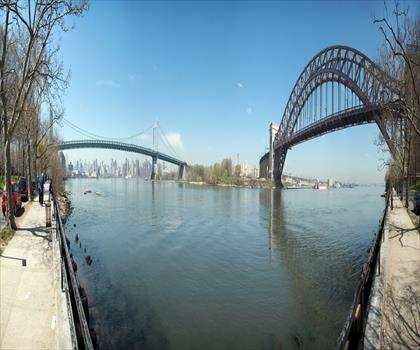
Astoria Park
New York City
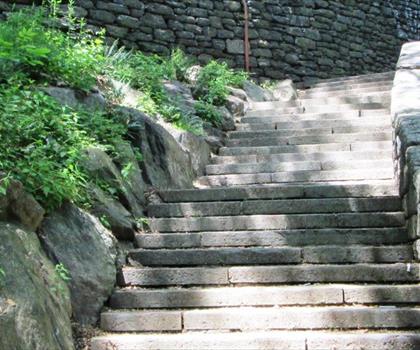
Fort Tryon Park
New York City
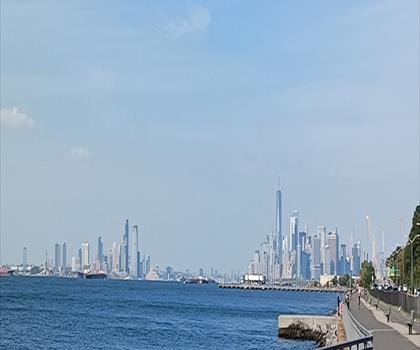
Shore Road Park
New York City
Hiking near New York City
0 trails to explore ~8 km away
We work hard to provide the most up-to-date and error-free data possible. If something seems incorrect, let us know! Your contribution helps the whole community.
Hikers' opinions
Be the first to review!
No hiker has shared their experience yet. Share your impressions and help other hikers!