

Ready to explore Earl W. Brydges Artpark State Park? Here's everything you need to know before you go!
Discover the trail
Trail description
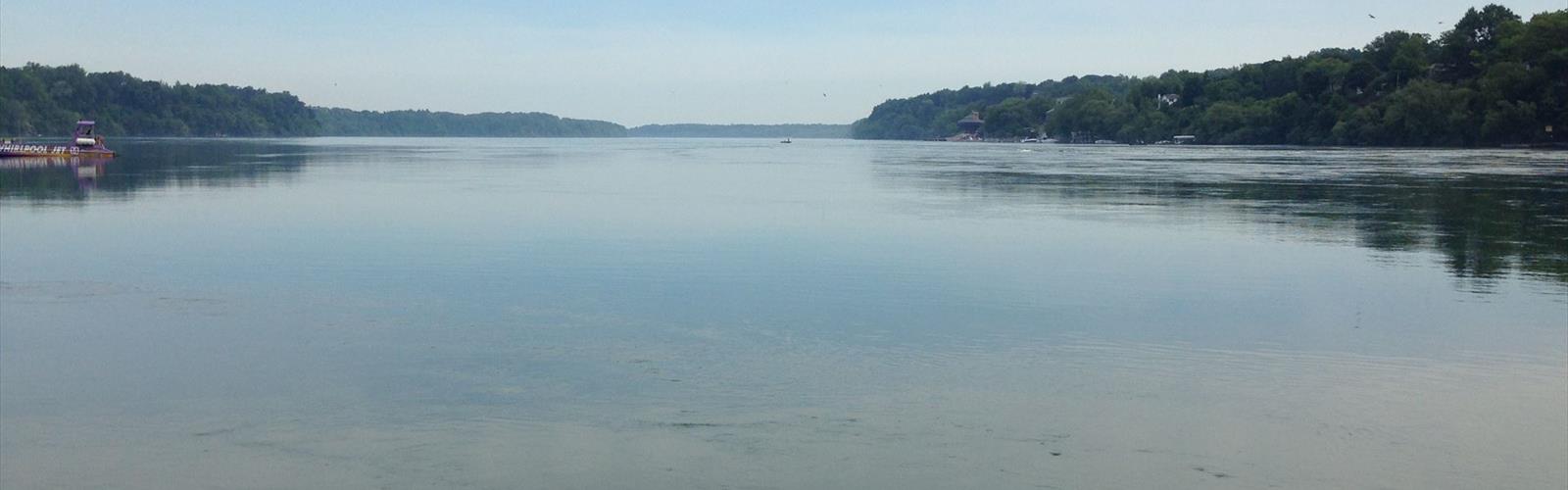
Earl W. Brydges Artpark State Park sits along the dramatic Niagara River Gorge in western New York, offering something genuinely different from typical hiking destinations. This 200-acre park combines natural trails through riverside woodlands with outdoor art installations, creating an experience where culture and nature intersect in unexpected ways.
The park's location along the Niagara River Gorge provides the foundation for its appeal. The gorge itself is a geological showcase, carved by thousands of years of water flow, with steep walls that drop toward the rushing river below. As you walk the trails, you're moving through layers of sedimentary rock that tell the story of ancient seas and changing climates. The sound of the river provides a constant backdrop, sometimes distant murmur, sometimes rushing roar depending on your position along the trail system.
Trail System and Terrain
The Artpark Gorge Trail forms the backbone of the hiking experience here, winding through mixed hardwood forests dominated by oak, maple, and hickory trees. The trail varies in difficulty as it follows the natural contours of the gorge, with some sections offering gentle walking and others requiring more careful footing on uneven terrain. Expect to encounter root systems crossing the path, occasional rocky sections, and areas where the trail narrows as it hugs the gorge rim.
What sets this trail apart are the art installations integrated along the route. Works by renowned artists like Dennis Oppenheim and Nancy Holt appear at strategic points, designed to complement rather than compete with the natural surroundings. These aren't traditional gallery pieces dropped into a forest setting – they're site-specific works that respond to the landscape, weather, and changing seasons. The installations add contemplative stops to your hike and create unique photo opportunities that blend artistic vision with natural beauty.
The trail system caters to different experience levels. Beginners can stick to the more established paths that stay closer to the main park areas, while experienced hikers can explore sections that venture closer to the gorge edge for more dramatic river views. The elevation changes are moderate but noticeable – you'll feel it in your legs as you navigate the ups and downs that follow the gorge's natural topography.
Wildlife and Natural Features
Birdwatching opportunities abound throughout the park, making binoculars a worthwhile addition to your day pack. The diverse habitat – from dense woodland to open areas near the river – supports a variety of species throughout the year. Spring and fall migrations bring particular excitement, with warblers, hawks, and waterfowl using the river corridor as a travel route. Year-round residents include woodpeckers, chickadees, and various raptors that hunt along the gorge.
The plant life changes noticeably as you move from the upper trail areas down toward the river level. The microclimate near the water supports different vegetation, including ferns and mosses that thrive in the increased humidity. During spring, wildflowers carpet sections of the forest floor, while fall brings spectacular color changes to the canopy overhead.
Cultural and Historical Context
Your hike takes place within the broader Niagara County Archeological District, adding historical depth to the natural experience. Evidence of ancient cultures appears throughout the region, with the river corridor serving as a travel and trade route for indigenous peoples long before European settlement. While hiking, you're following paths that connect to thousands of years of human presence in this landscape.
The park's commitment to arts programming means your visit might coincide with special events. The Buffalo Philharmonic Orchestra performs here during summer months, transforming the natural amphitheater into a concert venue. Past exhibitions have featured works by artists like Dale Chihuly, whose glass sculptures created striking contrasts against the natural backdrop. These cultural events don't interfere with trail access but add another dimension to what the park offers.
Practical Hiking Information
Plan for 1 to 2 hours to properly explore the main trail system, though you could easily spend longer if you take time to engage with the art installations or settle in for extended wildlife observation. The moderate elevation gain of about 50 meters is spread throughout your hike rather than concentrated in steep climbs, making it manageable for most fitness levels.
Trail conditions vary seasonally. Spring can bring muddy sections as snowmelt and rain saturate the forest floor. Summer offers the most predictable conditions, though humidity near the river can be noticeable on hot days. Fall provides excellent hiking weather and spectacular foliage, while winter transforms the landscape entirely – though ice near the gorge requires extra caution.
The park includes picnic areas where you can extend your visit beyond just hiking. These spots work well for post-hike meals or as gathering points if you're visiting with a group. The riverbank areas offer peaceful settings for rest breaks, with the flowing water providing natural white noise that masks any sounds from nearby developed areas.
Parking is available near the main entrance, providing easy access to trailheads. The park's location in the Niagara region means you can combine your visit with other area attractions, but Artpark offers enough to fill a satisfying day on its own. The combination of natural beauty, artistic elements, and historical significance creates a hiking experience that engages different interests and provides conversation material long after you've returned home.
The Essential Hiking Checklist
Everything you need for your next hike. Bilingual, printable, 1 page.
Get your free hiking checklistRecommended gear for this trail
As an Amazon Associate I earn from qualifying purchases.


Ready to go?
Everything you need to know before you goStarting Point
The earl w. brydges artpark state park is located in Lewiston, New York. To get to the start of the trails, take exit 22 from Interstate 190 and head east on Center Street. The park will be on your left.
When?
How much?
As an Amazon Associate I earn from qualifying purchases.
Affiliate links — LGPO may earn a commission at no extra cost to you.
- Hiking shoes Essential
- → Salomon Elixir Tour Mid WP · 203.38 $
- Layered clothing Essential
- Rain jacket Essential
- Trekking poles
- → Black Diamond Trail Ergo Cork · 69.99 $
- Headlamp
- → Petzl Actik Core 625 · 103.95 $
FAQ - Frequently asked questions
Everything you need to knowSimilar hikes nearby
Discover other trails you might enjoy
Walton Woods Park
Niagara Falls
Knox Farm State Park
Niagara Falls

Sprague Brook County Park
Niagara Falls
Stiglmeier Park
Niagara Falls
Tonawanda Rails to Trails
Niagara Falls
Hoyt Lake
Niagara Falls
Hiking near Niagara Falls
128 trails to explore ~9 km away
We work hard to provide the most up-to-date and error-free data possible. If something seems incorrect, let us know! Your contribution helps the whole community.
Hikers' opinions
Be the first to review!
No hiker has shared their experience yet. Share your impressions and help other hikers!