


Ready to explore Niagara River? Here's everything you need to know before you go!
Discover the trail
Oh no! We don't have any photos 😢
This trail hasn't been captured yet. Be the first to share your adventure!Trail description
The Niagara River corridor in the Hudson Valley region of New York offers a compelling outdoor experience that draws hikers, nature lovers, and history enthusiasts alike. Threading along one of the area's most distinctive waterways, this trail puts you right at the edge of moving water with views and access points that feel genuinely earned rather than handed to you from a parking lot.
The Terrain
The trail follows the natural contours of the riverbank, meaning the ground underfoot shifts between packed earth, exposed roots, and rocky sections depending on where you are along the route. It's not a manicured path — and that's part of the appeal. You'll find yourself ducking under low branches, stepping over wet rocks near the water's edge, and navigating short scrambles where the bank gets steep. Sturdy footwear with ankle support is a smart call here, especially after rain when the trail surface can get slippery fast.
The river itself is the constant companion on this hike. Depending on the season and recent rainfall, the current can range from a steady, quiet flow to something noticeably more powerful. Either way, the sound of moving water stays with you throughout, which makes this one of those trails that feels genuinely immersive rather than just a walk through the woods.
What You'll See Along the Way
The riparian habitat along the Niagara River supports a dense mix of deciduous trees — maples, oaks, and cottonwoods are common — with a thick understory that provides real shade in the warmer months. The transition zones between the forest and the water's edge are particularly rich for wildlife observation. Keep your eyes open near the quieter stretches of the bank where great blue herons are known to stand motionless in the shallows, and where kingfishers dart low over the surface.
The Hudson Valley's geology shows up clearly here. The exposed rock faces and riverbed stones tell a story of glacial movement and erosion that shaped this entire landscape over thousands of years. If you slow down and look at the rock formations along the bank, you'll notice the layering and fracture patterns that are characteristic of this part of New York State.
Access and Parking
Access to the Niagara River trail is straightforward, though it's worth checking current conditions before heading out — river-adjacent trails in this region can be temporarily closed or rerouted after significant rainfall or flooding events. The trailhead area provides basic access without extensive facilities, so plan accordingly and bring everything you need with you.
Parking availability can vary depending on the time of year and day of the week. Weekends during peak season tend to fill up earlier in the morning, so an early start is always a good idea if you want to avoid the crowds and get the trail mostly to yourself.
Practical Information
- Footwear: Trail runners or hiking boots with good grip are strongly recommended. Avoid road shoes or sandals, particularly if there's been recent rain.
- Water: Bring your own drinking water. While the river is visually appealing, the water is not safe to drink without treatment.
- Dogs: Check current regulations before bringing a dog, as rules can vary by section of the trail and may change seasonally.
- Cell service: Coverage along river corridors in this part of the Hudson Valley can be inconsistent. Download an offline map before you go.
- Leave No Trace: Pack out everything you bring in. The riverbank ecosystem is sensitive, and foot traffic near the water's edge should be kept to established paths where possible.
Best Times to Visit
Spring brings high water levels and a dramatic energy to the river, though some sections of the trail may be muddy or partially flooded. Late spring through early summer is when the surrounding forest is at its most lush, with wildflowers appearing in the understory and bird activity at its peak. Fall is arguably the most visually rewarding time to hike here — the Hudson Valley's hardwood forests put on a serious show, and the combination of fall color reflected in the river makes for memorable scenery. Winter hiking is possible on this trail for those who are prepared, with the frozen or partially frozen river adding a completely different character to the experience.
Who This Trail Is For
This is a trail that works well for hikers who are comfortable on uneven, natural terrain and who appreciate a more rugged, less developed experience. It's not the right choice for anyone looking for a smooth, wide path with frequent signage and amenities. That said, it doesn't require any technical skills or specialized gear beyond solid footwear and basic trail awareness.
Families with older kids who are steady on their feet will find it engaging — there's enough variety in the terrain and enough to look at along the river to hold attention. Solo hikers and pairs looking for a quieter, more contemplative outing will also feel right at home here. The trail rewards those who move at a relaxed pace and take the time to stop, look around, and actually take in what the river and the surrounding forest have to offer.
Getting the Most Out of Your Visit
Give yourself more time than you think you need. River trails have a way of slowing people down — in the best possible way — because there's always something worth pausing for. Bring binoculars if you have them, particularly if wildlife observation is part of your motivation for being out there. A light layer is worth packing even on warm days, since the air near the water tends to run cooler than the surrounding upland terrain.
The Niagara River trail in New York's Hudson Valley is the kind of place that doesn't announce itself loudly, but consistently delivers a quality outdoor experience for those who show up ready to engage with it on its own terms.
Recommended gear for this trail
As an Amazon Associate I earn from qualifying purchases.


Ready to go?
Everything you need to know before you goWhen?
How much?
As an Amazon Associate I earn from qualifying purchases.
Affiliate links — LGPO may earn a commission at no extra cost to you.
- Hiking shoes Essential
- → Salomon Elixir Tour Mid WP · 203.38 $
- Layered clothing Essential
- Rain jacket Essential
- Trekking poles
- → Black Diamond Trail Ergo Cork · 69.99 $
- Headlamp
- → Petzl Actik Core 625 · 103.95 $
FAQ - Frequently asked questions
Everything you need to know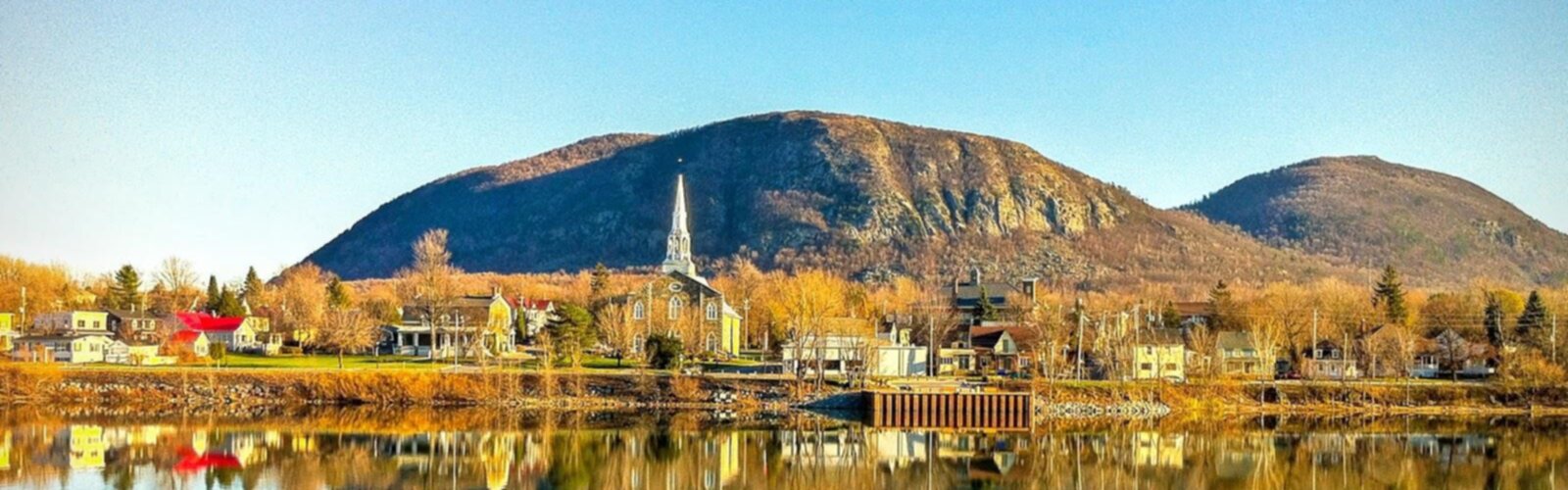
25 hikes under 2 hours from Montreal
Distance, elevation, parking and season for each one. The ones we go back to ourselves.
Get the guideSimilar hikes nearby
Discover other trails you might enjoy
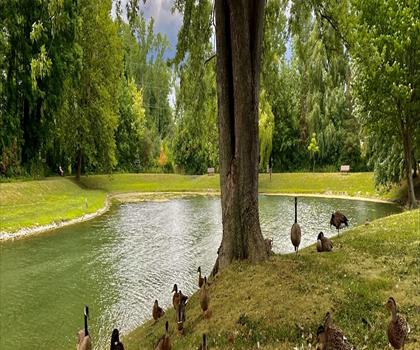
Walton Woods Park
Niagara Falls
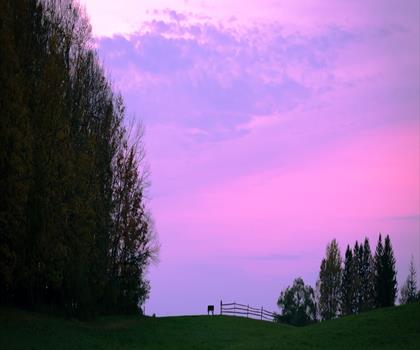
Knox Farm State Park
Niagara Falls

Sprague Brook County Park
Niagara Falls
Tonawanda Rails to Trails
Niagara Falls
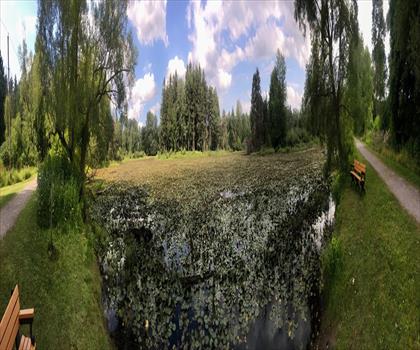
Stiglmeier Park
Niagara Falls
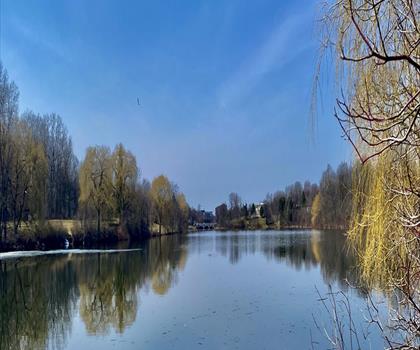
Hoyt Lake
Niagara Falls
Hiking near Niagara Falls
128 trails to explore ~20 km away
We work hard to provide the most up-to-date and error-free data possible. If something seems incorrect, let us know! Your contribution helps the whole community.
Hikers' opinions
Be the first to review!
No hiker has shared their experience yet. Share your impressions and help other hikers!