

Ready to explore Attwater Prairie Chicken National Wildlife Refuge? Here's everything you need to know before you go!
Discover the trail
Oh no! We don't have any photos 😢
This trail hasn't been captured yet. Be the first to share your adventure!Trail description
The Attwater's Prairie Chicken National Wildlife Refuge is one of the most ecologically significant protected areas in Texas — and honestly, one of the more underrated wildlife destinations in the state. Managed by the U.S. Fish & Wildlife Service, this refuge was established with a very specific and urgent purpose: to protect and recover the Attwater's prairie chicken, one of the most endangered birds in North America. Coming here isn't just a walk in nature. It's a front-row seat to one of the most serious conservation efforts happening in the American South.
What This Place Is About
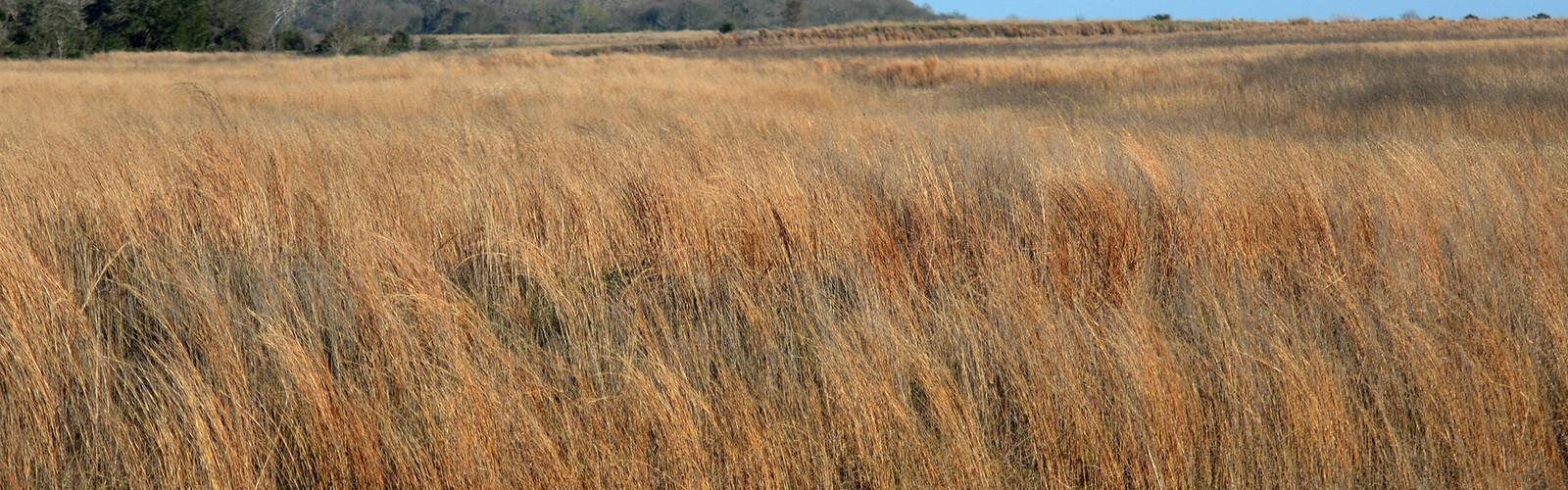
The refuge sits within the Gulf Coast Prairies and Marshes ecoregion of Texas — a landscape that has largely disappeared across the state due to agricultural conversion and urban development. What remains here is a rare and carefully managed stretch of coastal prairie, the native habitat the Attwater's prairie chicken depends on for survival. The refuge protects this grassland ecosystem not just for the bird itself, but for the entire web of species that rely on healthy coastal prairie.
The Attwater's prairie chicken (Tympanuchus cupido attwateri) is a subspecies of the greater prairie chicken, and its population has declined dramatically over the past century. The refuge plays a central role in a captive breeding and release program that gives this bird a fighting chance. If you visit during the right season, you may witness the famous "booming" display of the males — an extraordinary courtship behavior where they inflate orange air sacs on their necks and produce a deep, resonant call across the open prairie. It's the kind of wildlife moment that stays with you.
The Terrain and Landscape
The landscape here is flat to gently rolling coastal prairie, which is exactly what it needs to be for the species it supports. Don't come expecting dramatic elevation changes or forested ridgelines — this is wide-open grassland country, with big skies and long sight lines. The vegetation is a mix of native grasses, wildflowers, and scattered wetland areas that attract a wide variety of bird species beyond just the refuge's namesake.
The wetland pockets and seasonal ponds scattered across the refuge make it a strong destination for waterfowl and shorebirds, particularly during migration. The open prairie itself supports raptors, meadowlarks, and a host of grassland-dependent species that are increasingly hard to find elsewhere in Texas.
Wildlife Watching
The Attwater's prairie chicken is the star, but the refuge delivers a genuinely rich wildlife experience across the board. Birders will find this place rewarding in multiple seasons. The coastal prairie and wetland combination creates habitat diversity that draws species you simply won't encounter in more heavily forested parts of Texas.
- Attwater's prairie chicken — the primary reason the refuge exists; best observed during the spring booming season on designated viewing areas
- Waterfowl — ducks and geese use the wetland areas, especially during fall and winter migration
- Shorebirds — seasonal visitors to the refuge's shallow water habitats
- Raptors — white-tailed hawks, northern harriers, and other birds of prey hunt the open grasslands
- White-tailed deer — commonly seen across the refuge
Visiting the Refuge
Access to the Attwater's Prairie Chicken National Wildlife Refuge is managed carefully, and for good reason — the birds are sensitive to disturbance, especially during breeding season. The refuge has a designated auto tour route that allows visitors to experience the landscape and wildlife without putting undue pressure on the prairie chicken population. This is the primary way most visitors explore the area.
There is also a walking trail available for foot travel, giving you a closer connection to the prairie environment. The flat terrain makes the walking accessible to most visitors, and the open landscape means you can often spot wildlife at a distance before you get close enough to disturb anything.
The refuge is managed with wildlife as the clear priority, so visitor infrastructure is intentionally minimal. Come prepared with water, sun protection, and binoculars — the open prairie offers little shade, and the best wildlife viewing happens when you slow down and scan carefully rather than rushing through.
Booming Season and Special Access
Spring is the most sought-after time to visit, specifically for the Attwater's prairie chicken booming season. The U.S. Fish & Wildlife Service periodically organizes guided viewing opportunities during this period, which give visitors a structured and low-impact way to observe the courtship displays. These events are typically limited in capacity and require advance registration — if this is your main reason for visiting, check with the refuge well ahead of time to find out what's available in a given year.
Outside of booming season, the refuge is still worth visiting for general wildlife watching, particularly for birders interested in coastal prairie and wetland species.
Practical Information
- Location: Located in Colorado County, Texas, in the Gulf Coast region of the state
- Managed by: U.S. Fish & Wildlife Service
- Primary access: Auto tour route; walking trail also available
- Best seasons: Spring for prairie chicken booming displays; fall and winter for waterfowl and migratory birds
- What to bring: Binoculars, water, sun protection, and a camera with a long lens if you have one
- Fees and hours: Check directly with the U.S. Fish & Wildlife Service for current access hours and any applicable fees, as these can vary by season and program
Why This Refuge Matters
Coastal prairie is one of the most endangered ecosystems in North America — far less remains than old-growth forest, yet it receives a fraction of the attention. The Attwater's Prairie Chicken National Wildlife Refuge protects one of the last functional examples of this habitat in Texas, and the work being done here to bring a critically endangered bird back from the edge is genuinely significant. Visiting supports awareness of that effort, and the experience of standing in an open coastal prairie with the wind moving through native grasses and a prairie chicken booming in the distance is something that connects you to a Texas that has largely been lost.
The Essential Hiking Checklist
Everything you need for your next hike. Bilingual, printable, 1 page.
Get your free hiking checklistRecommended gear for this trail
As an Amazon Associate I earn from qualifying purchases.


Ready to go?
Everything you need to know before you goWhen?
How much?
As an Amazon Associate I earn from qualifying purchases.
Affiliate links — LGPO may earn a commission at no extra cost to you.
- Hiking shoes Essential
- → Salomon Elixir Tour Mid WP · 203.38 $
- Layered clothing Essential
- Rain jacket Essential
- Trekking poles
- → Black Diamond Trail Ergo Cork · 69.99 $
- Headlamp
- → Petzl Actik Core 625 · 103.95 $
FAQ - Frequently asked questions
Everything you need to knowSimilar hikes nearby
Discover other trails you might enjoy

Maverick Mountain
Big Bend Country
North Franklin Mountain
Big Bend Country
Emory Peak
Big Bend Country
Elephant Tusk
Big Bend Country
Waterloo Trail
Big Bend Country
Hudson River Trail
Big Bend Country
Hiking near Pittsburgh
0 trails to explore ~1903 km away
We work hard to provide the most up-to-date and error-free data possible. If something seems incorrect, let us know! Your contribution helps the whole community.
Hikers' opinions
Be the first to review!
No hiker has shared their experience yet. Share your impressions and help other hikers!