
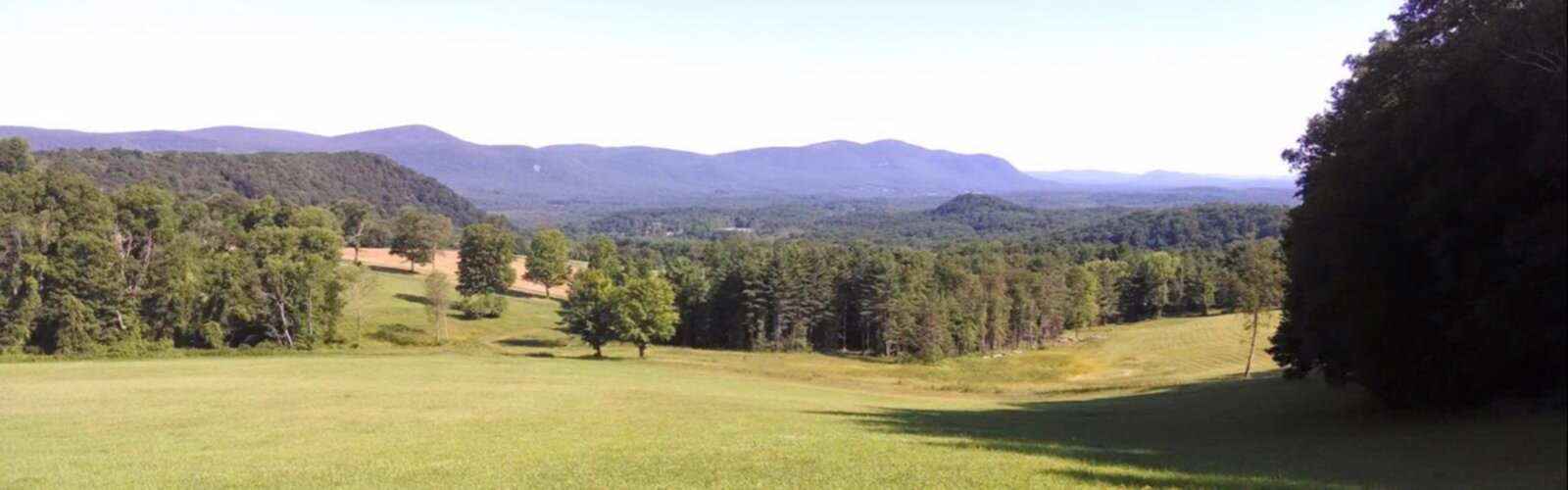

Ready to explore Bear Mountain, Vermont? Here's everything you need to know before you go!
Discover the trail
Trail description
Bear Mountain in Vermont is one of those hikes that quietly earns a spot on your list of favorites. Tucked away in southern Vermont, it offers the kind of rugged, forested terrain that defines the Green Mountain State — without the crowds you'd find on more famous peaks. Whether you're a seasoned hiker looking for a solid day out or someone ready to push beyond the easier trails, Bear Mountain delivers a genuinely rewarding experience.
The Terrain
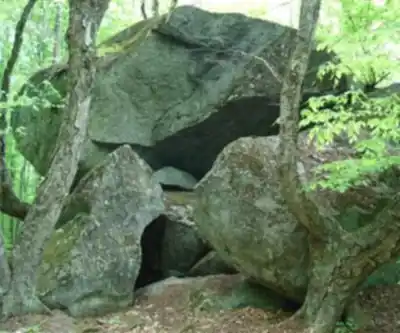
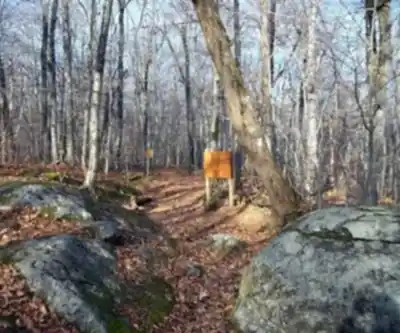
The trail up Bear Mountain is classic Vermont hiking: rooted, rocky, and forested nearly the entire way. The forest here is a mix of northern hardwoods and conifers — maples, beeches, and birches giving way to spruce and fir as you gain elevation. The canopy is dense, which means the trail stays shaded and cool even on warmer days, but it also means you're working through a landscape that feels wild and unmanicured in the best possible way.
Expect the trail surface to be uneven underfoot. Exposed roots and loose rocks are common, especially on steeper sections, so trekking poles and boots with solid ankle support are a smart call. The trail doesn't hold back — it climbs with purpose, and there are sections where you'll be using your hands to navigate around larger rock features.
What to Expect on the Way Up
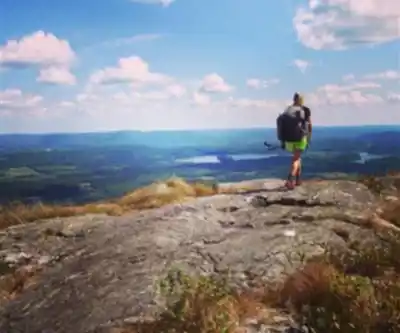
The hike follows a clear path through the woods, with the forest doing most of the talking early on. As you gain elevation, the trees begin to thin slightly and the trail becomes more exposed in places. The upper sections of the mountain offer glimpses through the trees, and depending on the season and leaf cover, you may catch partial views of the surrounding ridgelines and valleys that characterize this part of southern Vermont.
The summit area itself is wooded, as is typical of many Vermont peaks at this elevation range. Don't expect a wide-open panoramic viewpoint — Bear Mountain is more about the journey through the forest and the satisfaction of reaching the high point than it is about a dramatic overlook. That said, there are often partial views available, and the quiet at the top, away from any road noise, is genuinely peaceful.
Trail Conditions and Seasonal Considerations
Vermont trails are highly seasonal, and Bear Mountain is no exception. Spring hiking here means mud — a lot of it. The mud season, roughly from late March through May depending on the year, can make the trail slippery and causes real erosion damage when hikers go off-trail to avoid wet sections. Stick to the path even when it's messy.
Summer is the most accessible season, with dry trail conditions and full foliage providing that classic enclosed-forest feel. Fall is spectacular — the hardwood forest lights up with color, and the cooler temperatures make the climb more comfortable. Winter hiking is possible for those with the right gear (microspikes or snowshoes are typically necessary once snow sets in), and the snow-covered forest has its own quiet appeal.
Wildlife and Nature
Southern Vermont's forests are home to a solid range of wildlife, and Bear Mountain's relatively undisturbed terrain makes it a good spot for quiet observation. White-tailed deer are common, and black bear sightings — fitting, given the name — are not unheard of in this region. Birds are active throughout the warmer months, with thrushes, warblers, and woodpeckers among the species you're likely to hear if not see along the trail.
The forest itself is worth paying attention to. Old-growth characteristics appear in places, with large, mature trees and a layered understory that supports a healthy woodland ecosystem. Mosses and ferns carpet the forest floor in the wetter sections, adding to the lush, green atmosphere that Vermont hiking is known for.
Practical Information
Bear Mountain is located in southern Vermont, accessible via local roads in the region. As with many Vermont hiking destinations, it's worth checking current trail conditions before heading out — the Green Mountain Club and local trail organizations are good resources for up-to-date information on trail status, especially during mud season or after significant weather events.
- Footwear: Waterproof hiking boots with ankle support are strongly recommended. The trail is rocky and rooted throughout.
- Trekking poles: Helpful on the steeper sections, particularly on the descent when fatigue sets in.
- Water: Bring more than you think you need. There are no reliable water sources along the trail that should be counted on without a filter.
- Navigation: A downloaded offline map or a physical trail map is a good idea. Cell service in this part of Vermont can be unreliable.
- Leave No Trace: Stay on the marked trail, pack out everything you bring in, and avoid the trail during mud season if possible to protect the path.
Who This Hike Is For
Bear Mountain suits hikers who are comfortable on uneven, rooted terrain and who enjoy a forest-immersive experience over a destination-viewpoint hike. It's not a beginner trail — the rocky, rooted surface and sustained climbing require some experience and physical readiness — but it's also not a technical mountaineering objective. Hikers who regularly tackle moderate to challenging trails will find it well within reach.
It's a good choice for those who want to get away from busier Vermont hiking corridors and spend time in a quieter, more remote-feeling forest environment. Dogs are welcome on many Vermont trails, though you should verify current regulations for this specific area before bringing your pup along.
Getting There
Bear Mountain is situated in southern Vermont, a region that's reasonably accessible from both Vermont communities and neighboring states. The trailhead is reached via local roads, and parking is typically available at or near the trailhead. Arriving early on weekends during peak season — particularly fall foliage season — is advisable, as parking at popular Vermont trailheads fills up faster than many visitors expect.
Southern Vermont is well worth the drive for anyone who hasn't spent time hiking in this part of the state — the landscape is classic New England, the trails are well-established, and Bear Mountain offers a satisfying day in the woods that stands on its own merits.
The Essential Hiking Checklist
Everything you need for your next hike. Bilingual, printable, 1 page.
Get your free hiking checklistRecommended gear for this trail
As an Amazon Associate I earn from qualifying purchases.


Ready to go?
Everything you need to know before you goStarting Point
The Bear Mountain trails are located in the town of Peru, Vermont. To get to the start of the trails, take exit 5 off of Interstate 91 and head east on Route 11. The trailhead is located at the end of the road.
When?
How much?
As an Amazon Associate I earn from qualifying purchases.
Affiliate links — LGPO may earn a commission at no extra cost to you.
- Hiking shoes Essential
- → Salomon Elixir Tour Mid WP · 203.38 $
- Layered clothing Essential
- Rain jacket Essential
- Trekking poles
- → Black Diamond Trail Ergo Cork · 69.99 $
- Headlamp
- → Petzl Actik Core 625 · 103.95 $
FAQ - Frequently asked questions
Everything you need to knowSimilar hikes nearby
Discover other trails you might enjoy
Stowe Mountain
Southern Vermont
Lake Raponda
Southern Vermont

Ball Mountain Dam
Southern Vermont

Putney Mountain
Southern Vermont
Townshend State Park
Southern Vermont
Aeolus Animal Hospital & Equine
Southern Vermont
Hiking near Saratoga Springs
0 trails to explore ~52 km away
We work hard to provide the most up-to-date and error-free data possible. If something seems incorrect, let us know! Your contribution helps the whole community.
Hikers' opinions
Be the first to review!
No hiker has shared their experience yet. Share your impressions and help other hikers!