
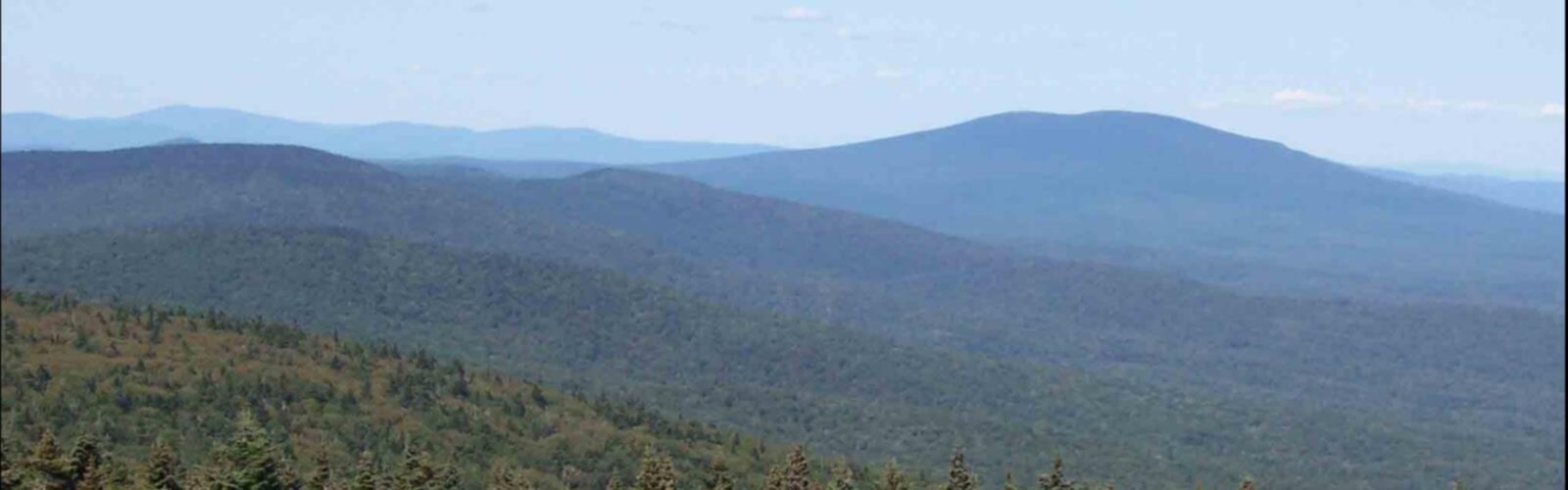

Ready to explore Glastenbury Mountain, Vermont? Here's everything you need to know before you go!
Discover the trail
Trail description
Glastenbury Mountain is one of Vermont's more remote and rewarding summits, tucked deep in the Green Mountain National Forest in southern Vermont. It's not the kind of peak you knock off on a casual afternoon — getting there requires a serious commitment, a full day on the trail, and a genuine appreciation for wild, quiet forest. But for hikers who want to earn their views and experience true backcountry Vermont, Glastenbury delivers in a way that few other destinations in the region can match.
The Approach and the Trail
The primary route to Glastenbury Mountain follows the Long Trail, Vermont's iconic end-to-end footpath that runs the length of the state along the spine of the Green Mountains. The approach from the south typically begins near Bennington, and the trail winds through dense boreal forest for a long stretch before reaching the summit. This is not a loop — it's an out-and-back that demands solid planning, adequate water, and a realistic sense of your own pace.
The terrain is classic Vermont backcountry: rooted, sometimes muddy, and heavily forested for most of the route. There are no dramatic cliff faces or exposed ridgelines to contend with, but the sheer length of the hike and the cumulative elevation gain make this a genuinely challenging outing. The trail is well-marked with the white blazes of the Long Trail, so navigation is straightforward even in dense cover.
The Summit Experience
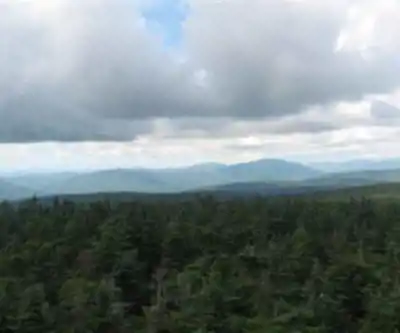
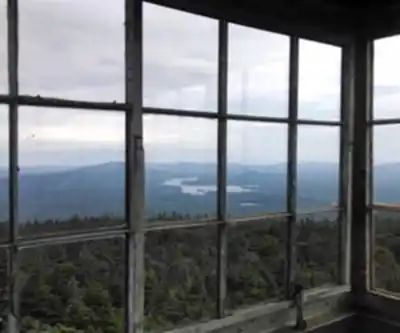
At the top of Glastenbury Mountain sits a historic fire tower — and that tower is the reason most people make the effort to get here. Without it, the summit would be entirely socked in by trees, offering no views whatsoever. Climb the tower, though, and you're rewarded with a sweeping 360-degree panorama that stretches across the rolling Green Mountains in every direction. On a clear day, the sense of isolation is striking — you can look out across miles of unbroken forest and see almost no sign of human development. It's a rare feeling in the northeastern United States.
The fire tower itself is a piece of Vermont history. These structures were once essential tools for spotting wildfires across the region, and while most have fallen into disuse or disrepair, the one on Glastenbury has been maintained and remains climbable. It adds a tangible historical layer to the summit experience that goes beyond the view alone.
Wilderness Character
Glastenbury Mountain sits within the Glastenbury Wilderness, a federally designated wilderness area within the Green Mountain National Forest. That designation matters — it means no motorized equipment, minimal trail infrastructure, and a management philosophy centered on keeping the land as wild as possible. Don't expect groomed paths, signage every hundred meters, or any kind of developed facilities along the route. This is backcountry hiking in the truest sense.
The wilderness designation also means the area sees relatively light traffic compared to more accessible Vermont peaks. You're unlikely to encounter crowds here, even on weekends. The forest is dense, the wildlife is present, and the overall atmosphere is one of genuine solitude. Moose, black bear, and a wide range of bird species inhabit this part of southern Vermont, and the long approach through undisturbed forest gives you a real chance of encountering wildlife along the way.
Backcountry Camping
For those who want to break the hike into two days — which is a very reasonable approach given the distance involved — backcountry camping is available along the Long Trail corridor. The Green Mountain Club maintains a shelter system along the Long Trail, and there are options in the area that allow hikers to spend a night in the woods and tackle the summit with fresh legs the following morning. Camping in the Glastenbury Wilderness follows Leave No Trace principles, and hikers should be familiar with the Green Mountain Club's guidelines before heading out.
Splitting the trip over two days also changes the character of the experience entirely. You get to settle into the forest, wake up to the sounds of the backcountry, and approach the summit without the pressure of a long return trip hanging over you. It's worth considering seriously.
What to Know Before You Go
- This is a long, remote hike. Come prepared with enough food, water, and layers for a full day — or multiple days if you're camping.
- The trail can be muddy. Vermont's trails are notorious for wet conditions, especially in spring and after rain. Waterproof footwear is strongly recommended.
- The fire tower is the payoff. The summit itself is wooded — the views only open up once you climb the tower. Don't skip it.
- Cell service is essentially nonexistent in this part of the Glastenbury Wilderness. Download offline maps before you leave and let someone know your plans.
- The Long Trail is well-blazed with white paint marks on trees, but bring a map anyway. In dense forest, it's easy to lose your bearings if you step off the trail.
- Wilderness rules apply. No motorized vehicles or equipment, and camping must follow Leave No Trace guidelines within the Glastenbury Wilderness.
Who This Hike Is For
Glastenbury Mountain is best suited to experienced hikers who are comfortable with long days in remote terrain and don't need amenities along the way. It's not a beginner destination, and it's not a quick summit. What it is, though, is one of the more authentic wilderness experiences available in southern Vermont — a place where the forest feels genuinely untouched, the summit reward is real, and the solitude is something you actually have to work for.
If you've already checked off the more accessible peaks in the region and you're looking for something that pushes you a little further into the backcountry, Glastenbury Mountain is exactly the kind of objective that belongs on your list.
The Essential Hiking Checklist
Everything you need for your next hike. Bilingual, printable, 1 page.
Get your free hiking checklistRecommended gear for this trail
As an Amazon Associate I earn from qualifying purchases.


Ready to go?
Everything you need to know before you goStarting Point
The trails at the glastenbury mountain, vermont in Vermont can be accessed from the trailhead on Route 9.
When?
How much?
As an Amazon Associate I earn from qualifying purchases.
Affiliate links — LGPO may earn a commission at no extra cost to you.
- Hiking shoes Essential
- → Salomon Elixir Tour Mid WP · 203.38 $
- Layered clothing Essential
- Rain jacket Essential
- Trekking poles
- → Black Diamond Trail Ergo Cork · 69.99 $
- Headlamp
- → Petzl Actik Core 625 · 103.95 $
FAQ - Frequently asked questions
Everything you need to knowSimilar hikes nearby
Discover other trails you might enjoy
Stowe Mountain
Southern Vermont
Lake Raponda
Southern Vermont

Ball Mountain Dam
Southern Vermont
Putney Mountain
Southern Vermont
Townshend State Park
Southern Vermont
Aeolus Animal Hospital & Equine
Southern Vermont
Hiking near Saratoga Springs
0 trails to explore ~59 km away
We work hard to provide the most up-to-date and error-free data possible. If something seems incorrect, let us know! Your contribution helps the whole community.
Hikers' opinions
Be the first to review!
No hiker has shared their experience yet. Share your impressions and help other hikers!