
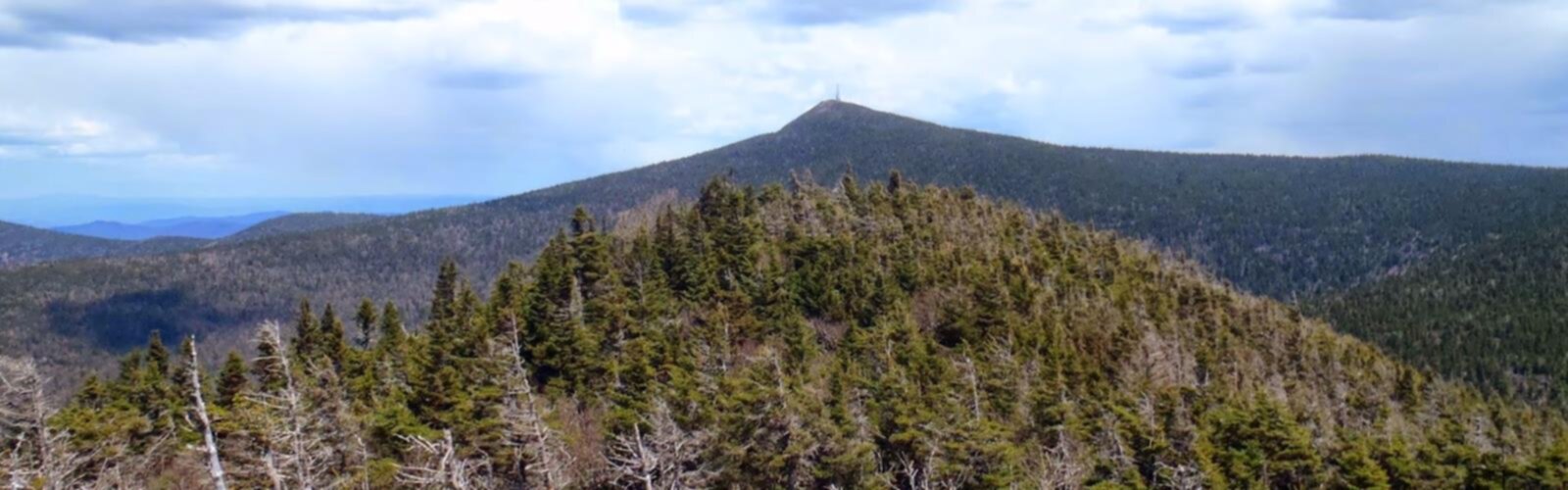

Ready to explore Mount Aeolus, Vermont? Here's everything you need to know before you go!
Discover the trail
Trail description
Mount Aeolus rises quietly in southern Vermont, and if you haven't heard much about it, that's part of the appeal. This is not a summit that draws weekend crowds or shows up on every "best of Vermont" list — and that's exactly what makes it worth your time. The hike rewards those who seek something a little more off the beaten path, with genuine forest character and a sense of earned solitude that's harder and harder to find in New England.
The Mountain and Its Setting
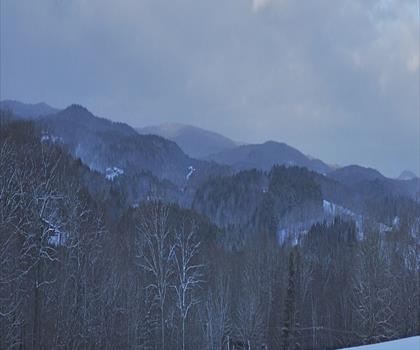
Mount Aeolus sits in the Green Mountain landscape of southern Vermont, surrounded by the kind of mixed hardwood and conifer forest that defines this corner of the state. The terrain here is classic Vermont: rocky underfoot, rooted, and honest. The mountain is named after Aeolus, the Greek god of wind, and on the right day near the summit, that name makes complete sense.
One of the most significant features of Mount Aeolus is what lies beneath it. The mountain is home to one of the largest bat hibernacula in the northeastern United States — a cave system that shelters tens of thousands of bats during the winter months. This is not a casual curiosity. It's a genuinely important piece of regional natural history, and it shapes how access to parts of the mountain is managed. The cave entrance is closed to the public during hibernation season to protect the bat population, which includes species that have been severely impacted by white-nose syndrome across the region.
What to Expect on the Trail
The trail up Mount Aeolus is a straightforward out-and-back that climbs through dense forest before opening up near the top. The footing is typical of Vermont hiking — expect roots, rocks, and sections where the trail steepens noticeably. It's not a technical climb, but it's not a casual stroll either. You'll want proper footwear and a reasonable level of fitness.
The forest itself is the experience for most of the route. Hardwoods dominate the lower sections, giving way to a denser, cooler mix as you gain elevation. In the warmer months, the canopy is thick and the trail feels enclosed in a good way — shaded, quiet, and removed from everything below. The understory is lush, and the trail has that lived-in feel of a path that's been walked for generations without being over-managed.
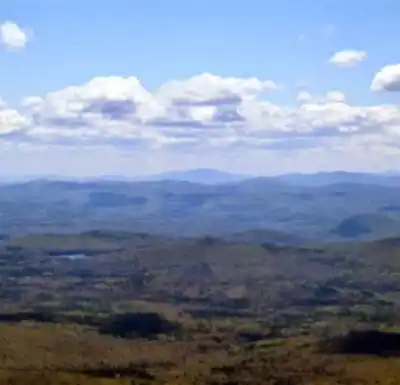
As you approach the upper sections of the mountain, the terrain opens slightly and the views begin to emerge. The summit area offers perspectives out over the surrounding Vermont landscape — rolling hills, forest ridgelines, and the kind of view that reminds you why people have been hiking these mountains for a very long time.
The Bat Cave — Know Before You Go
The cave on Mount Aeolus is a significant draw, but it comes with real responsibility attached. During hibernation season — generally from late fall through early spring — the cave is closed to protect the bats inside. This closure is enforced and should be respected without question. Disturbing hibernating bats, even unintentionally, can be fatal to them.
Outside of the closure period, the cave area can be visited, but it's worth doing your homework before you go. Check current access conditions and any posted regulations before your trip. The bat population here is ecologically important, and the mountain's reputation as a responsible hiking destination depends on visitors taking that seriously.
Practical Information
- Location: Southern Vermont, in the Green Mountains region
- Trail type: Out-and-back
- Terrain: Rocky, rooted forest trail with steady elevation gain
- Cave access: Seasonal restrictions apply — the bat hibernaculum is closed during winter months
- Dogs: Check current trail regulations before bringing pets, particularly near the cave area
- Best seasons: Late spring through fall, once snow and mud conditions have settled
Getting There
Mount Aeolus is located in the Dorset area of southern Vermont. The trailhead is accessible by car, and parking is available near the start of the trail. As with many smaller Vermont summits, signage can be minimal — it's worth reviewing a trail map or recent trip reports before heading out so you know exactly where you're starting from.
Who This Hike Is For
Mount Aeolus is a solid choice for hikers who want a real Vermont mountain experience without the crowds that come with more prominent summits. It's appropriate for hikers with some experience — the terrain asks for sure footing and a bit of endurance — but it's not a destination that requires technical skills or specialized gear.
It's also a genuinely interesting hike from a natural history perspective. If you care about wildlife, ecosystems, and the kind of place that has ecological significance beyond just the view from the top, Mount Aeolus delivers something most hiking destinations don't. The bat hibernaculum alone makes this mountain worth understanding before you set foot on the trail.
Come prepared, respect the seasonal closures, and you'll find a mountain that earns its place on your Vermont hiking list.
The Essential Hiking Checklist
Everything you need for your next hike. Bilingual, printable, 1 page.
Get your free hiking checklistRecommended gear for this trail
As an Amazon Associate I earn from qualifying purchases.


Ready to go?
Everything you need to know before you goStarting Point
The Mount Aeolus trailhead is in western Vermont, about an hour and a half's drive from Burlington. To get there, head north on I-89 and exit at the junction for Richmond (Exit 10). Follow Route 2 west through the village of Hinesburg. Continue on Route 116 southwest and climb to the top of Mount Aeolus.
When?
How much?
As an Amazon Associate I earn from qualifying purchases.
Affiliate links — LGPO may earn a commission at no extra cost to you.
- Hiking shoes Essential
- → Salomon Elixir Tour Mid WP · 203.38 $
- Layered clothing Essential
- Rain jacket Essential
- Trekking poles
- → Black Diamond Trail Ergo Cork · 69.99 $
- Headlamp
- → Petzl Actik Core 625 · 103.95 $
FAQ - Frequently asked questions
Everything you need to knowSimilar hikes nearby
Discover other trails you might enjoy
Stowe Mountain
Southern Vermont
Lake Raponda
Southern Vermont

Ball Mountain Dam
Southern Vermont
Putney Mountain
Southern Vermont
Townshend State Park
Southern Vermont
Aeolus Animal Hospital & Equine
Southern Vermont
Hiking near Saratoga Springs
0 trails to explore ~63 km away
We work hard to provide the most up-to-date and error-free data possible. If something seems incorrect, let us know! Your contribution helps the whole community.
Hikers' opinions
Be the first to review!
No hiker has shared their experience yet. Share your impressions and help other hikers!