


Ready to explore Mount Tabor, Vermont? Here's everything you need to know before you go!
Discover the trail
Oh no! We don't have any photos 😢
This trail hasn't been captured yet. Be the first to share your adventure!Trail description
Mount Tabor is a small, quiet town tucked into the Green Mountains of southern Vermont, and it punches well above its weight when it comes to outdoor access. Sitting within the boundaries of the Green Mountain National Forest, this area offers hikers a genuine backcountry feel without requiring a long drive into the middle of nowhere. If you're looking for a place where the trails feel unhurried and the forest still has that old-growth density to it, Mount Tabor delivers.
The Landscape
The terrain around Mount Tabor is classic Vermont highlands — dense mixed forest, rocky ridgelines, and the kind of rolling elevation that keeps your legs honest without being punishing. The Green Mountain National Forest surrounds the town on multiple sides, which means the trailheads here drop you directly into protected land. You're not walking through a buffer zone to get to the good stuff; you're in it from the start.
The forest itself is a mix of northern hardwoods and conifers — sugar maple, yellow birch, beech, and stands of spruce and fir as you gain elevation. The understory is thick in summer, which keeps things cool on the trail even on warmer days. Stream crossings are common in this part of Vermont, and the area around Mount Tabor is no exception — small brooks cut through the valleys, and the sound of moving water tends to follow you on most routes here.
Trail Character
The trails accessible from the Mount Tabor area range from old logging roads converted to foot travel to more rugged singletrack that climbs through the national forest. The Long Trail — Vermont's iconic end-to-end footpath — passes through this region, giving through-hikers and section hikers a natural reason to stop here. Side trails and forest roads branch off in multiple directions, making it possible to piece together loops or out-and-back routes depending on what you're after.
Footing on many of these trails is rooty and rocky in the way that's typical of Vermont hiking — not technical climbing, but the kind of terrain that asks you to pay attention. Wet conditions can make the rocks slippery, so traction matters in spring and after rain. The trails here aren't heavily trafficked compared to more well-known Vermont destinations, which is part of the appeal. You're more likely to share the trail with a white-tailed deer than a crowd of day-trippers.
What Makes This Area Stand Out
Mount Tabor sits in a part of Vermont that often gets overlooked in favor of the more famous hiking corridors further north. That's actually a point in its favor. The Green Mountain National Forest land here is well-maintained but not over-managed — it still feels like real wilderness rather than a manicured park experience. The combination of national forest access, Long Trail proximity, and low visitor pressure makes it a solid choice for hikers who want quality trail time without the parking lot chaos.
The area also has historical depth worth knowing about. Like much of the Green Mountains, this land was heavily logged in the 19th and early 20th centuries before being incorporated into the national forest system. The forest you're walking through today is largely second-growth, but it's mature enough now that it reads as genuine backcountry. Old stone walls occasionally appear in the middle of the woods — reminders that this land was once cleared farmland before the trees reclaimed it.
Practical Information
Access to the Mount Tabor trailheads is generally via forest roads off Route 7 and the surrounding area. Some of these roads are unpaved and can be rough depending on the season — a vehicle with decent clearance is helpful in mud season or after significant rain. Parking areas exist at key trailheads within the national forest, though they're typically small and unmarked compared to more developed recreation sites.
Because this is Green Mountain National Forest land, no day-use fee is required for most trail access. Dispersed camping is permitted in the national forest under standard Leave No Trace guidelines, which makes this area attractive for overnight trips as well as day hikes. If you're planning to camp, check current regulations with the USDA Forest Service's Green Mountain and Finger Lakes National Forests office, as rules around fire and camping distances from water sources apply.
- Land manager: USDA Forest Service — Green Mountain National Forest
- Dogs: Permitted on national forest trails; keep under control
- Fees: No day-use fee for general national forest access
- Camping: Dispersed camping allowed under national forest regulations
- Trail surface: Mix of rooty singletrack, rocky terrain, and old forest roads
- Long Trail access: The Long Trail passes through this region of the Green Mountains
When to Go
Vermont's mud season — roughly mid-April through late May depending on the year — can make some of the unpaved access roads and softer trail sections genuinely difficult. Many Vermont hikers avoid the lower-elevation trails during this window and wait for the ground to firm up. Summer and fall are the prime seasons here, with fall foliage in the Green Mountains typically peaking in late September to mid-October. Winter hiking and snowshoeing are viable options when snow conditions are right, though the forest roads may not be plowed.
Getting There
Mount Tabor is located in Rutland County in southern Vermont, accessible via Route 7 between Manchester and Rutland. The town itself is small — more of a township than a village — so navigation relies on knowing your specific trailhead destination rather than heading to a town center. GPS coordinates for individual trailheads within the national forest are the most reliable way to navigate, and downloading offline maps before you go is a smart move given that cell service in this part of Vermont can be inconsistent once you're off the main highway.
The Essential Hiking Checklist
Everything you need for your next hike. Bilingual, printable, 1 page.
Get your free hiking checklistRecommended gear for this trail
As an Amazon Associate I earn from qualifying purchases.


Ready to go?
Everything you need to know before you goStarting Point
The Mount Tabor trails are located in mount tabor, vermont. To get to the start of the trails, take exit 5 from I-89 and head east on VT-100. The trailhead will be on your left after 1.5 miles.
When?
How much?
As an Amazon Associate I earn from qualifying purchases.
Affiliate links — LGPO may earn a commission at no extra cost to you.
- Hiking shoes Essential
- → Salomon Elixir Tour Mid WP · 203.38 $
- Layered clothing Essential
- Rain jacket Essential
- Trekking poles
- → Black Diamond Trail Ergo Cork · 69.99 $
- Headlamp
- → Petzl Actik Core 625 · 103.95 $
FAQ - Frequently asked questions
Everything you need to knowSimilar hikes nearby
Discover other trails you might enjoy
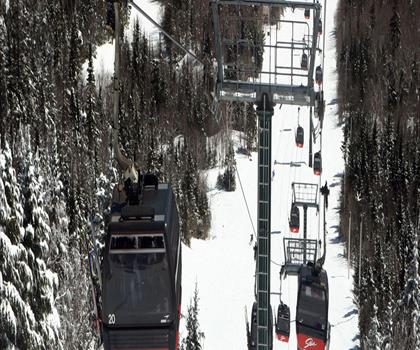
Stowe Mountain
Southern Vermont
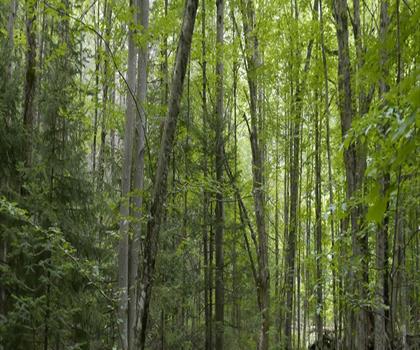
Lake Raponda
Southern Vermont

Ball Mountain Dam
Southern Vermont
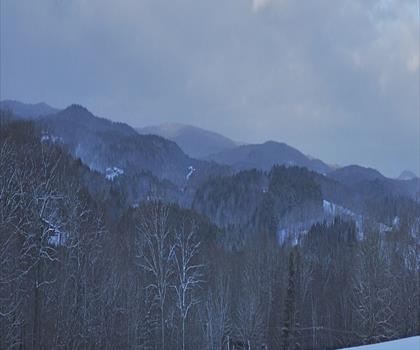
Putney Mountain
Southern Vermont
Townshend State Park
Southern Vermont
Aeolus Animal Hospital & Equine
Southern Vermont
Hiking near Saratoga Springs
0 trails to explore ~70 km away
We work hard to provide the most up-to-date and error-free data possible. If something seems incorrect, let us know! Your contribution helps the whole community.
Hikers' opinions
Be the first to review!
No hiker has shared their experience yet. Share your impressions and help other hikers!