
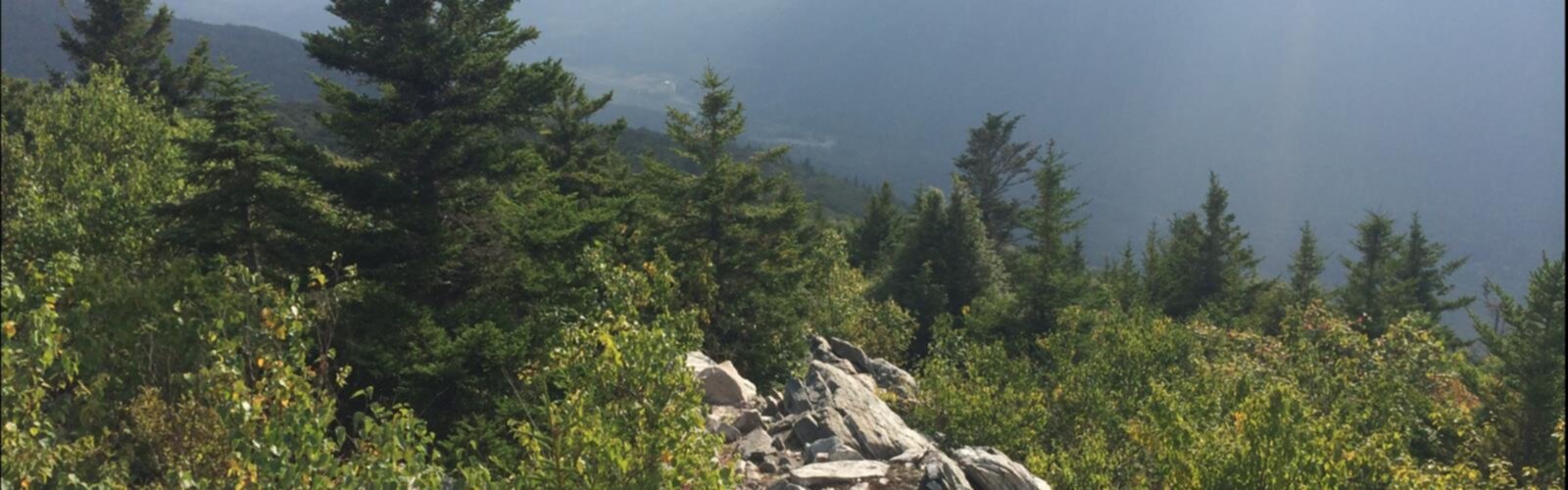

Ready to explore Peru Peak, Vermont? Here's everything you need to know before you go!
Discover the trail
Trail description
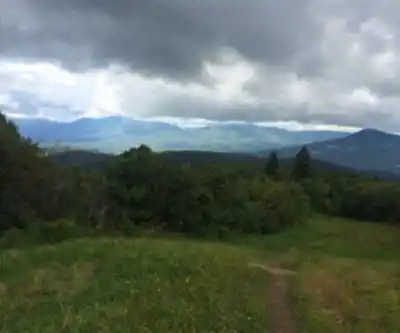
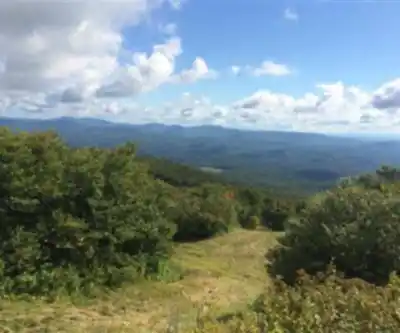
Peru Peak is one of those summits in southern Vermont that rewards the effort without demanding technical skills. Tucked into the Green Mountain National Forest, this hike takes you through classic New England forest terrain to a true wooded summit — the kind of place where the journey through the trees is just as satisfying as reaching the top.
The Trail Experience
The route to Peru Peak follows the Appalachian Trail / Long Trail corridor, which means you're walking on one of the most storied footpaths in the northeastern United States. The trail surface is typical of Vermont's backcountry: rooted, rocky in sections, and occasionally muddy depending on recent weather and the season. This is not a groomed path — it's a genuine mountain trail that asks you to pay attention to your footing.
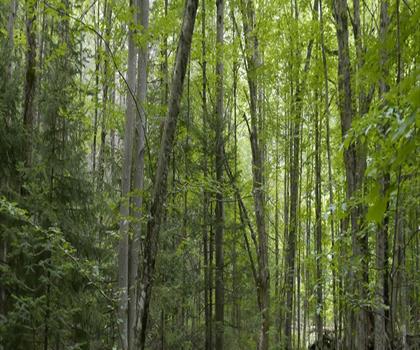
As you gain elevation, the forest transitions from mixed hardwoods in the lower sections to a denser boreal feel higher up, with spruce and fir becoming more dominant. The canopy closes in, the air cools, and the sounds of the lower forest fade. It's a gradual but noticeable shift that gives the hike a sense of progression.
The summit itself is forested, so don't expect a sweeping panoramic view from the very top. What you get instead is a quiet, enclosed summit with a genuine backcountry atmosphere — the kind of place that feels earned. There are partial views available along the ridge and at points near the summit that open up depending on foliage conditions, particularly in late fall after the leaves have dropped.
What Makes Peru Peak Stand Out
Peru Peak sits within a stretch of the Green Mountain National Forest that sees far less foot traffic than more famous Vermont summits. That relative quiet is a big part of its appeal. You're unlikely to feel crowded on this trail, even on a decent weekend in fall foliage season — though the AT/LT corridor does attract through-hikers, so you may share the trail with people carrying full packs heading north or south on a longer journey.
The connection to the Long Trail is worth appreciating. The Long Trail is the oldest long-distance hiking trail in the United States, running the length of Vermont from the Massachusetts border to the Canadian border. Hiking to Peru Peak means you're walking a section of that historic route, which adds a layer of context to the experience even if you're just doing a day hike.
The surrounding Green Mountain National Forest also means the landscape is protected and managed for long-term conservation. The forest feels intact — dense, layered, and genuinely wild in character even though you're not far from civilization.
Terrain and Conditions
Expect a workout. The trail climbs steadily and the terrain is uneven throughout. Trekking poles are useful here, especially on the descent when wet roots and rocks can be slippery. Waterproof footwear is a smart call in Vermont's shoulder seasons — spring mud season can make lower sections particularly challenging, and fall mornings can bring frost or wet conditions at elevation.
Snow can linger on the upper sections of the trail well into spring, and early snowfall is possible in October. If you're hiking outside of the core summer season, check recent trail reports and come prepared for variable conditions. Microspikes or traction devices can be useful in late fall or early spring.
The trail is not recommended for mountain bikes, and the AT/LT corridor has specific use guidelines managed by the Green Mountain Club and the U.S. Forest Service. Dogs are generally welcome on National Forest trails, but keep them leashed and under control — this is shared wildlife habitat.
Getting There and Parking
Access to the Peru Peak trailhead is off Forest Road 58 (also known as the Old Hapgood Pond Road area) near the town of Peru, Vermont. The trailhead parking is limited and fills up on busy fall weekends, so an early start is always a good idea. Peru is a small community in Bennington County, situated in the mountains of southern Vermont near the ski areas of Bromley and Magic Mountain — landmarks that help orient you to the general area.
There is no fee to hike in the Green Mountain National Forest, though the parking area is basic with no facilities on site. Plan accordingly — bring everything you need, including water, snacks, and a map or downloaded offline trail data.
Practical Tips
- Start early: Trailhead parking is limited and the approach road can get congested on fall weekends.
- Footwear matters: Waterproof hiking boots with solid ankle support are the right call for this terrain.
- Bring a map: Cell service is unreliable in this part of the Green Mountains. Download your trail data before you leave.
- Check conditions: The Green Mountain Club maintains trail condition reports — worth checking before any shoulder-season hike in Vermont.
- Pack out everything: Leave No Trace principles apply throughout the Green Mountain National Forest.
- Water: There are water sources along the trail, but treat or filter any water before drinking.
- Wildlife awareness: Black bears are present in this area. Store food properly and be aware of your surroundings.
Who This Hike Is For
Peru Peak is a solid choice for hikers who have some experience on uneven, rooted terrain and are comfortable with a sustained climb. It's not the right pick for beginners looking for an easy walk, but it's very manageable for anyone with a reasonable base of hiking fitness. The lack of a dramatic open summit view means it appeals most to people who genuinely enjoy the forest experience — the sounds, the smell of spruce and fir, the feeling of being deep in the woods — rather than those primarily chasing a viewpoint photo.
If you're looking for a quieter corner of Vermont's hiking landscape with genuine backcountry character and the added context of walking a piece of the Long Trail, Peru Peak delivers exactly that.
The Essential Hiking Checklist
Everything you need for your next hike. Bilingual, printable, 1 page.
Get your free hiking checklistRecommended gear for this trail
As an Amazon Associate I earn from qualifying purchases.


Ready to go?
Everything you need to know before you goStarting Point
To access the hiking trails, you can start at the following trailheads:
Griffith Lake Trailhead: Located on Forest Road 58 (also known as Old Job Road). From Route 7 in Danby, take Brooklyn Road east for about 6 miles until it turns into Forest Road 58. Continue for approximately 2 miles to reach the parking area.
Mad Tom Notch Trailhead: Situated off Mad Tom Notch Road. From Route 11/30 in Peru, take Hapgood Pond Road north for about 3 miles, then turn right onto Mad Tom Notch Road and follow it to the end where you'll find parking.
Both trailheads provide access to different sections of the hiking trails.
When?
How much?
As an Amazon Associate I earn from qualifying purchases.
Affiliate links — LGPO may earn a commission at no extra cost to you.
- Hiking shoes Essential
- → Salomon Elixir Tour Mid WP · 203.38 $
- Layered clothing Essential
- Rain jacket Essential
- Trekking poles
- → Black Diamond Trail Ergo Cork · 69.99 $
- Headlamp
- → Petzl Actik Core 625 · 103.95 $
FAQ - Frequently asked questions
Everything you need to knowSimilar hikes nearby
Discover other trails you might enjoy
Stowe Mountain
Southern Vermont
Lake Raponda
Southern Vermont

Ball Mountain Dam
Southern Vermont
Putney Mountain
Southern Vermont
Townshend State Park
Southern Vermont
Aeolus Animal Hospital & Equine
Southern Vermont
Hiking near Saratoga Springs
0 trails to explore ~73 km away
We work hard to provide the most up-to-date and error-free data possible. If something seems incorrect, let us know! Your contribution helps the whole community.
Hikers' opinions
Be the first to review!
No hiker has shared their experience yet. Share your impressions and help other hikers!