
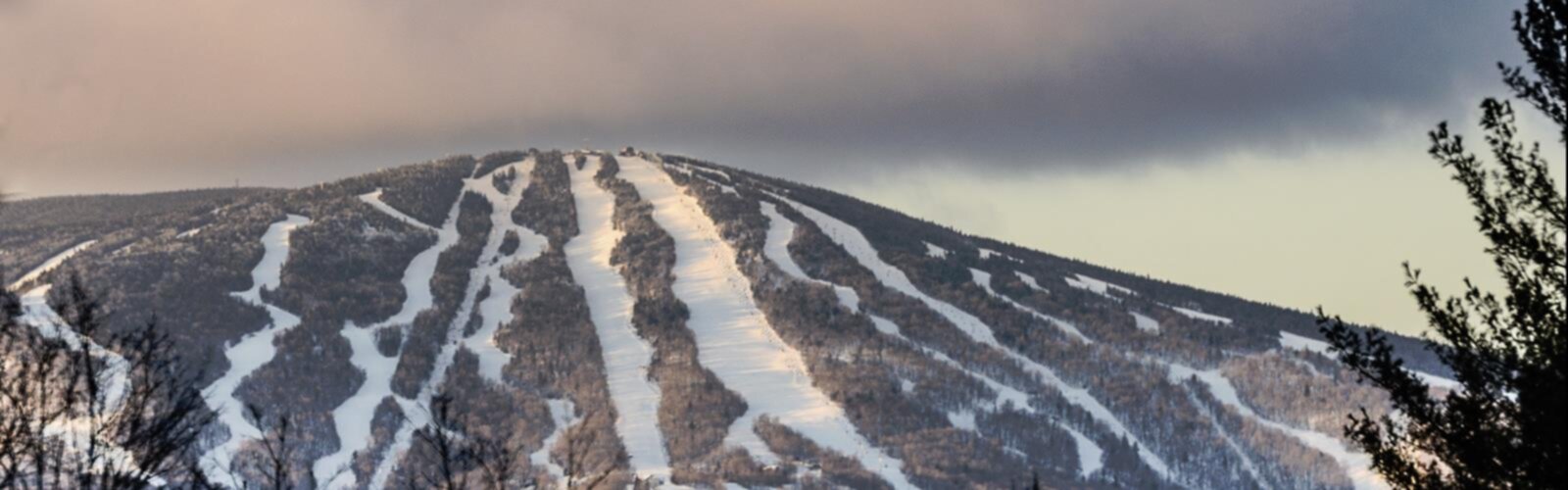

Ready to explore Stratton Mountain, Vermont? Here's everything you need to know before you go!
Discover the trail
Oh no! We don't have any photos 😢
This trail hasn't been captured yet. Be the first to share your adventure!Trail description
Stratton Mountain in southern Vermont is one of those places that earns its reputation the hard way — through elevation, history, and a summit that genuinely delivers. Whether you're a seasoned hiker looking for a solid day out or someone stepping up their game, Stratton offers a rewarding climb through classic New England forest with a payoff at the top that's hard to argue with.
The Mountain and Its Significance
Stratton Mountain holds a special place in the story of American hiking and conservation. It's widely recognized as the birthplace of two of the most iconic long-distance trails in the country. According to legend, both Benton MacKaye — the visionary behind the Appalachian Trail — and James P. Taylor — the founder of the Long Trail — were inspired by views from Stratton's summit. Standing on top, it's easy to understand why. The ridgeline views stretch across a sea of Vermont forest, and on a clear day, the sense of scale is genuinely humbling.
The Long Trail, which runs the length of Vermont from the Massachusetts border to the Canadian border, passes directly over Stratton Mountain. The Appalachian Trail shares this same route through this section, making Stratton one of the few peaks in the Northeast where both trails converge. For through-hikers and day hikers alike, that overlap adds a layer of meaning to the climb.
The Terrain
The approach to Stratton's summit takes you through dense northern hardwood and boreal forest. Lower on the mountain, you'll move through a mix of birch, beech, and maple — the kind of canopy that turns electric in fall. As you gain elevation, the forest transitions toward spruce and fir, the air gets noticeably cooler, and the trail narrows and steepens in places.
The footing is typical of Vermont hiking: rooty, rocky in sections, and occasionally muddy after rain. Trekking poles are useful, especially on the descent. The trail is well-marked and maintained, which makes navigation straightforward, but the climb itself is sustained enough that you'll want to pace yourself.
Near the summit, a fire tower stands above the treeline and gives hikers access to panoramic views in every direction. Without the tower, the summit itself is largely wooded — so climbing the structure is worth it if you want the full visual reward. The tower is generally accessible to the public during the hiking season.
What to Expect on the Trail
Stratton is a popular destination, particularly on weekends and during fall foliage season. Expect company on the trail, especially on the Long Trail/AT corridor. That said, the mountain is large enough that it rarely feels overcrowded once you're moving.
The climb is legitimate — this isn't a casual stroll. Hikers should be comfortable with sustained uphill travel and uneven terrain. Good footwear with ankle support is strongly recommended. Bring enough water for the full round trip, as there are no reliable water sources guaranteed along the route without prior knowledge of the trail conditions.
The summit area has a caretaker shelter maintained by the Green Mountain Club, which manages the Long Trail. The GMC does important work keeping this trail system in shape, and if you encounter a caretaker at the summit, they're usually a great source of local trail knowledge.
Access and Trailheads
There are a few different ways to reach Stratton's summit, with trailheads accessible from different sides of the mountain. The most commonly used approach follows the Long Trail/Appalachian Trail from the Stratton-Arlington Road (also known as the Kelley Stand Road). Another option approaches from the Stratton ski resort side. Each route has its own character and distance, so it's worth checking current trail conditions and choosing the approach that fits your group's experience level.
Parking is available at the trailhead areas, though space can fill up quickly on busy weekends. Arriving early — especially during peak fall foliage weeks — is a smart move.
Seasons and Timing
Stratton Mountain is a four-season destination in terms of interest, but hiking conditions vary significantly throughout the year.
- Summer offers the most reliable trail conditions, with long daylight hours and generally dry footing. It's the best time for families or less experienced hikers.
- Fall is peak season for a reason — the foliage on and around Stratton is exceptional, and the views from the fire tower take on a whole new dimension when the forest below is in full color. Expect the most trail traffic during this window.
- Spring brings mud season to Vermont, and Stratton is no exception. Trails can be soft and heavily rutted from snowmelt. Many hikers wait until late May or early June before heading up.
- Winter transforms the mountain into snowshoe and backcountry ski terrain. The summit can be exposed and cold, so winter trips require proper gear and experience with cold-weather travel.
Wildlife and Natural Environment
The forests around Stratton support the kind of wildlife you'd expect from a large, relatively undisturbed Vermont mountain. Black bear, white-tailed deer, moose, and a variety of bird species — including several warblers and thrushes — are all part of the ecosystem here. The boreal zone near the summit is habitat for species more commonly associated with northern Canada, which makes the upper mountain feel distinctly different from the valleys below.
The Green Mountain Club asks hikers to stay on designated trails, particularly near the summit, to protect fragile alpine and sub-alpine vegetation. It's a reasonable ask given how much foot traffic this mountain sees.
Practical Tips
- Check the Green Mountain Club website for current trail conditions before your trip, especially in spring and after major storms.
- The fire tower at the summit is the highlight — don't skip it.
- Dress in layers. Even in summer, the summit can be significantly cooler and windier than the trailhead.
- Leave No Trace principles apply throughout — pack out everything you bring in.
- If you're planning a longer trip, the GMC maintains shelters along the Long Trail in this area that can be used for overnight stays.
Stratton Mountain is the kind of hike that stays with you — not just for the views from the fire tower, but for the sense of walking a trail that shaped the entire culture of long-distance hiking in North America.
The Essential Hiking Checklist
Everything you need for your next hike. Bilingual, printable, 1 page.
Get your free hiking checklistRecommended gear for this trail
As an Amazon Associate I earn from qualifying purchases.


Ready to go?
Everything you need to know before you goStarting Point
To access the hiking trails, you can start at the main trailhead located at the Stratton Mountain Resort. The address for parking is 5 Village Lodge Road, Stratton Mountain, VT 05155. Additionally, there is another trailhead option at the Stratton-Arlington Road (Kelly Stand Road) parking area. This location provides access to the Long Trail/Appalachian Trail section leading up the mountain.
When?
How much?
As an Amazon Associate I earn from qualifying purchases.
Affiliate links — LGPO may earn a commission at no extra cost to you.
- Hiking shoes Essential
- → Salomon Elixir Tour Mid WP · 203.38 $
- Layered clothing Essential
- Rain jacket Essential
- Trekking poles
- → Black Diamond Trail Ergo Cork · 69.99 $
- Headlamp
- → Petzl Actik Core 625 · 103.95 $
FAQ - Frequently asked questions
Everything you need to knowSimilar hikes nearby
Discover other trails you might enjoy
Stowe Mountain
Southern Vermont
Lake Raponda
Southern Vermont

Ball Mountain Dam
Southern Vermont
Putney Mountain
Southern Vermont
Townshend State Park
Southern Vermont
Aeolus Animal Hospital & Equine
Southern Vermont
Hiking near Saratoga Springs
0 trails to explore ~70 km away
We work hard to provide the most up-to-date and error-free data possible. If something seems incorrect, let us know! Your contribution helps the whole community.
Hikers' opinions
Be the first to review!
No hiker has shared their experience yet. Share your impressions and help other hikers!