
🔦 Why buying a headlamp should be your absolute priority
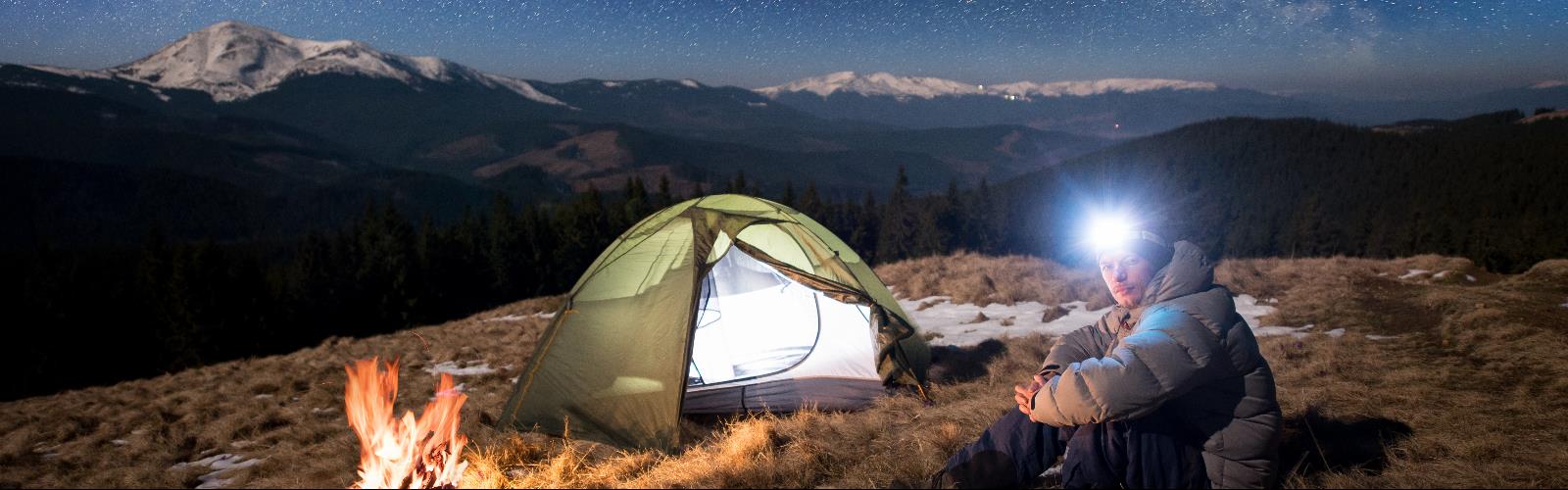
I still remember that hike to Mont du Lac des Cygnes where I almost spent the night in the forest because I had underestimated the descent time. Fortunately, I had my headlamp in my pack — a reflex that has saved me more than once. Buying a headlamp isn't just purchasing equipment, it's investing in your safety and freedom to explore. Whether you're a weekend hiker or heading out on multi-day expeditions, a good headlamp will allow you to push the limits of daylight, navigate safely and enjoy magical moments that few people get to experience. In the next few minutes, I'm going to share everything I've learned after testing dozens of models on Quebec trails and beyond.
💡 Pro tip — Even for a day hike, I always have my headlamp in my pack. Conditions can change quickly, especially in the mountains, and that's not the time to regret forgetting it.
🏔️ The 5 essential criteria for buying a headlamp that will actually serve you
After testing more models than I can count, I've identified five criteria that make the difference between a lamp that ends up in the bottom of a drawer and a faithful companion for your adventures.Power: how many lumens do you really need?
Contrary to what you might think, more lumens doesn't automatically mean better. For 90% of your outings, 200-400 lumens is more than enough. I long believed I needed the most powerful lamp possible, until I realized that 1000+ lumens burns through your batteries in 2 hours and blinds your hiking companions.| Activity | Recommended lumens | Target battery life |
|---|---|---|
| Reading at camp | 50-100 lumens | 20+ hours |
| Trail hiking | 200-400 lumens | 8-12 hours |
| Mountaineering/climbing | 400-800 lumens | 4-6 hours |
| Search and rescue | 800+ lumens | 2-4 hours |
Battery life: your best friend on long routes
Nothing more frustrating than a lamp that dies in the middle of an outing. Aim for minimum 8 hours of battery life in medium mode for your regular hikes. Models with rechargeable batteries are convenient, but always keep backup batteries if your model allows it.Comfort: because you're going to wear it for a long time
An uncomfortable lamp quickly becomes a nightmare. The headband must be adjustable, breathable and well-balanced. The ideal weight is between 80-150 grams — light enough to forget you're wearing it, solid enough to last.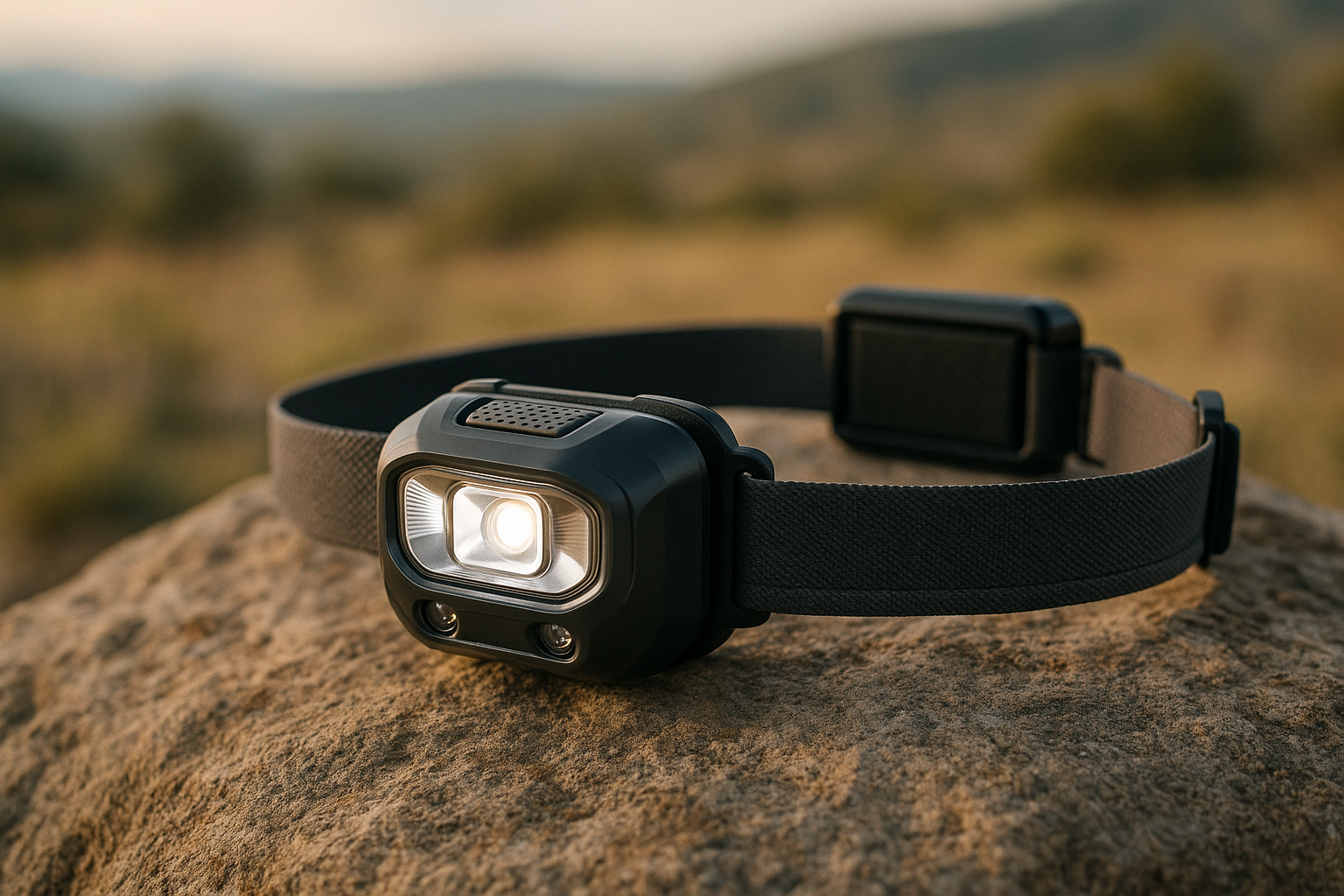
Durability: your equipment must survive your adventures
Look for at least IPX4 rating for water resistance and robust construction. I dropped my current lamp from a 3-meter cliff at Canyon Sainte-Anne — it still works perfectly.Lighting modes: the versatility that makes the difference
A good headlamp must have at minimum:
📥 Download our free gifts — The complete list of all essential equipment for your hikes, including technical specifications to check before buying a headlamp.
Get my gifts →
Get my gifts →
💰 How much to invest in your first headlamp (and models to avoid)
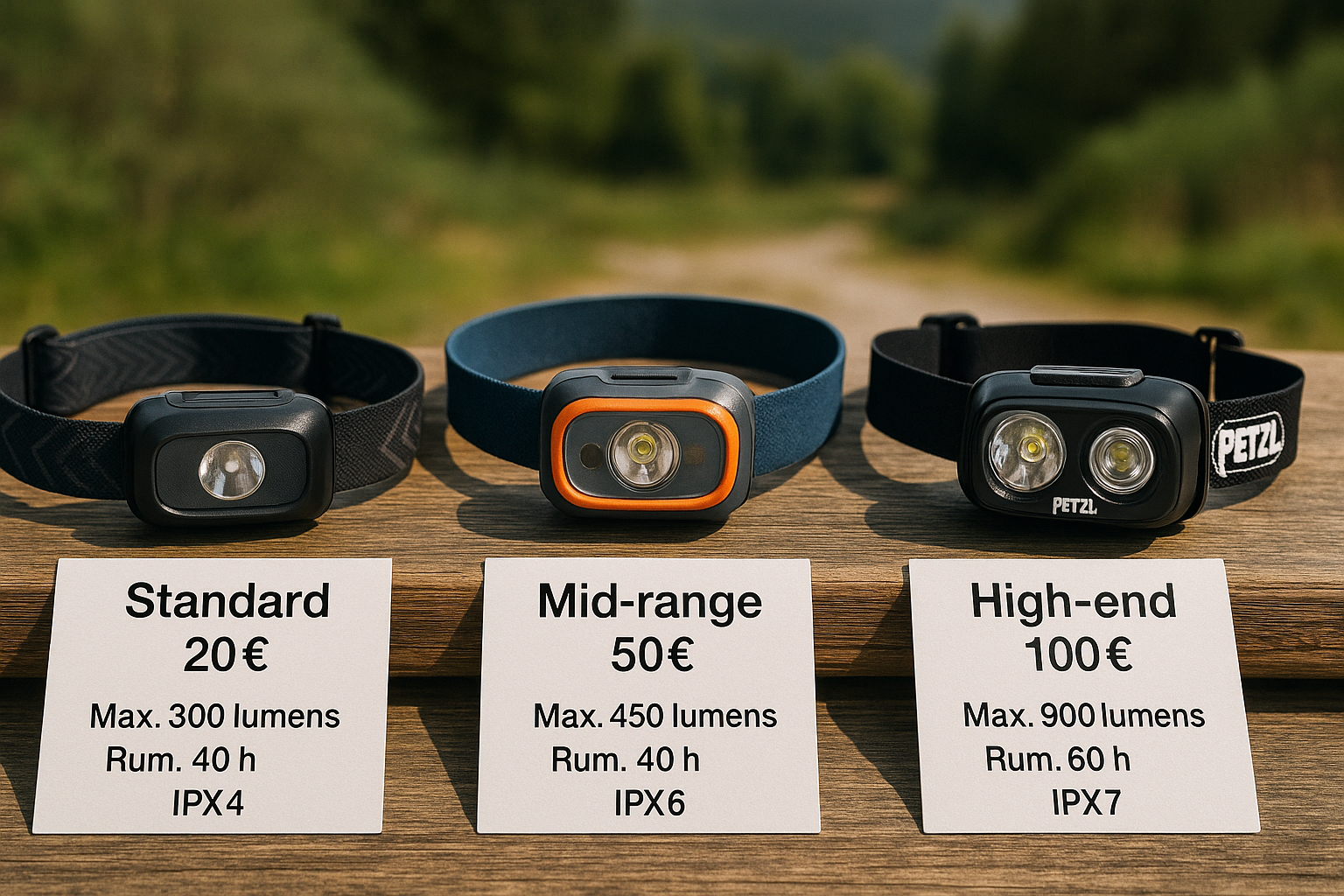
It's the question everyone asks: how much does a good headlamp cost? After testing models from $15 to $300, I can tell you that the sweet spot is between $60 and $120 for most adventurers.Beginner budget ($30-60): options that do the job
If you're starting out or hiking occasionally, no need to empty your bank account. Several models in this range offer basic functionality with decent quality. The important thing is that it's reliable and comfortable.Mid-range ($60-120): the best value for money
This is where you'll find the best deals. Recognized brands offer lamps with all the advanced features, excellent battery life and solid construction. This is my advice for 90% of users.High-end ($120+): for intensive users
If you do mountaineering, multi-week expeditions or use your lamp professionally, investing in a premium lamp can be justified. But let's be honest: for going to Mont Saint-Bruno on weekends, it's probably overkill.
⚠️ Warning — Avoid headlamps under $25, especially those sold in dollar stores. I've tested several that failed at first contact with humidity or after a few drops.
🔋 Batteries vs disposables: the debate that divides (and my recommendation)
This is one of the most important choices when you're going to buy a headlamp, and it really depends on your adventure style.Rechargeable batteries: convenient but not without risks
The advantages:AA/AAA batteries: the versatile option
This is still my personal choice for long expeditions. You can buy batteries anywhere in the world, and even in the middle of the woods, you can plan for backup batteries. However, it costs more in the long run and is less eco-friendly.
💡 Pro tip — My ideal setup? A lamp that accepts both: rechargeable batteries for daily use, with the ability to use AA batteries in emergencies or for long expeditions.
My recommendation according to your profile
🌙 Advanced features that really make a difference
Some features may seem gimmicky at first glance, but after years of use, I can tell you which ones are really worth the investment.Red lighting: your ally for night vision
If you do astronomy, night photography or don't want to wake your camping companions, red lighting is essential. It preserves your dark adaptation while allowing you to see what you're doing.Tilt adjustment: more important than you think
Being able to adjust your lamp's angle without moving your head is a game-changer. Especially when you're looking at your map, cooking or setting up your tent. Aim for at least 45 degrees of adjustment.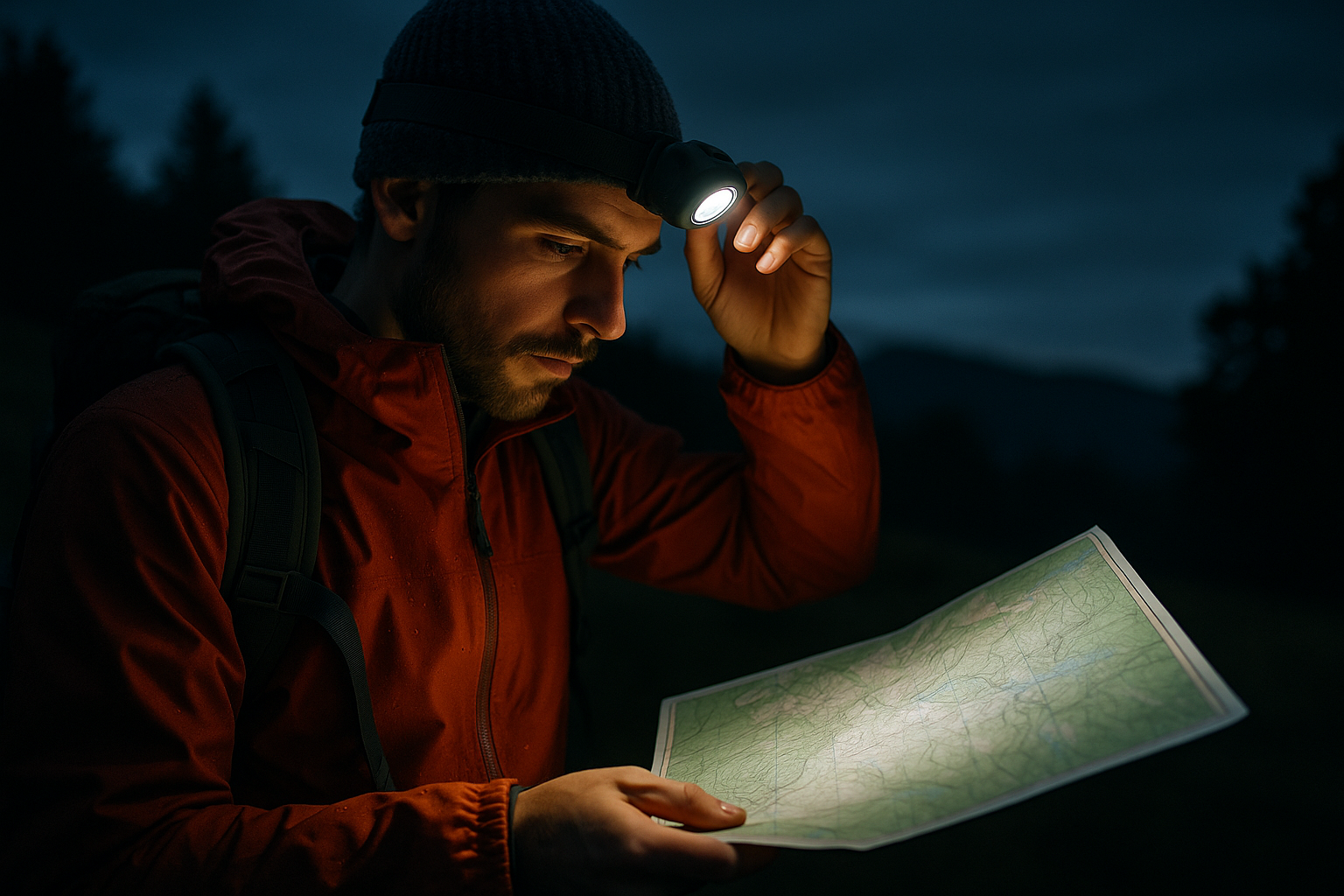
Motion detection: convenient but not essential
Some lamps turn on when you wave your hand in front. It's fun, but after testing this for a year, I realized it often activated accidentally. Nice to have, but not a buying criterion.Programmable modes: for perfectionists
Being able to program your favorite modes and activation sequence is great if you use your lamp intensively. For most people, preprogrammed modes work just fine.
📌 Good to know — The "lock" function to prevent accidental activation in your pack is much more useful than all the electronic gadgets. Make sure your lamp has one!
🛒 Where to buy your headlamp (and how to avoid traps)
The choice of seller can make the difference between an excellent buying experience and an after-sales nightmare.Specialty stores: my first choice
Why I love outdoor stores:Online shopping: convenient but with caveats
Amazon and other web giants often offer the best prices and huge selection. However, beware of counterfeits, especially on popular brands. Always verify you're buying from an authorized seller.Warning signs to avoid
"The best headlamp is the one you have with you when you need it. Better to have a decent lamp you always carry than a perfect lamp that stays at home."
🔧 How to test and maintain your headlamp so it lasts
Buying a headlamp is just the beginning. For it to serve you faithfully for years, you need to test it properly and maintain it right.The purchase test: 5 minutes that can change everything
Before leaving the store or in the first days after your online purchase, test all modes and features. Check that:Maintenance that extends life
My tricks after 15 years of abusing headlamps:
💡 Pro tip — Always keep a backup elastic in your repair kit. I've saved more than one outing by replacing a broken headband with an elastic and duct tape!
When to replace your headlamp
Even the best lamp has a lifespan. Replace it if:🎯 My final recommendations for buying the perfect headlamp
After this complete overview, here are my concrete tips so you make the right choice according to your profile and needs.For the beginner hiker
Start with a 200-300 lumen lamp, rechargeable batteries, in the $50-80 range. No need for more to discover if you like night outings. Once you have experience, you'll know exactly what you want to improve.For the regular adventurer
Invest in 300-500 lumens with hybrid system (batteries + disposables). Budget $80-120 for a lamp that will follow you everywhere. Prioritize comfort and battery life over pure power.For the expeditioner
Reliability above all: AA batteries, ultra-robust construction, simple modes. Budget $120+ for a lamp that will survive your most extreme adventures. Consider buying a lightweight backup lamp too.
📌 Good to know — Whatever your lamp, test it on short outings before heading out on expedition. Mont Yamaska is perfect for this: challenging enough to test your equipment, close enough to get back quickly if things go wrong.
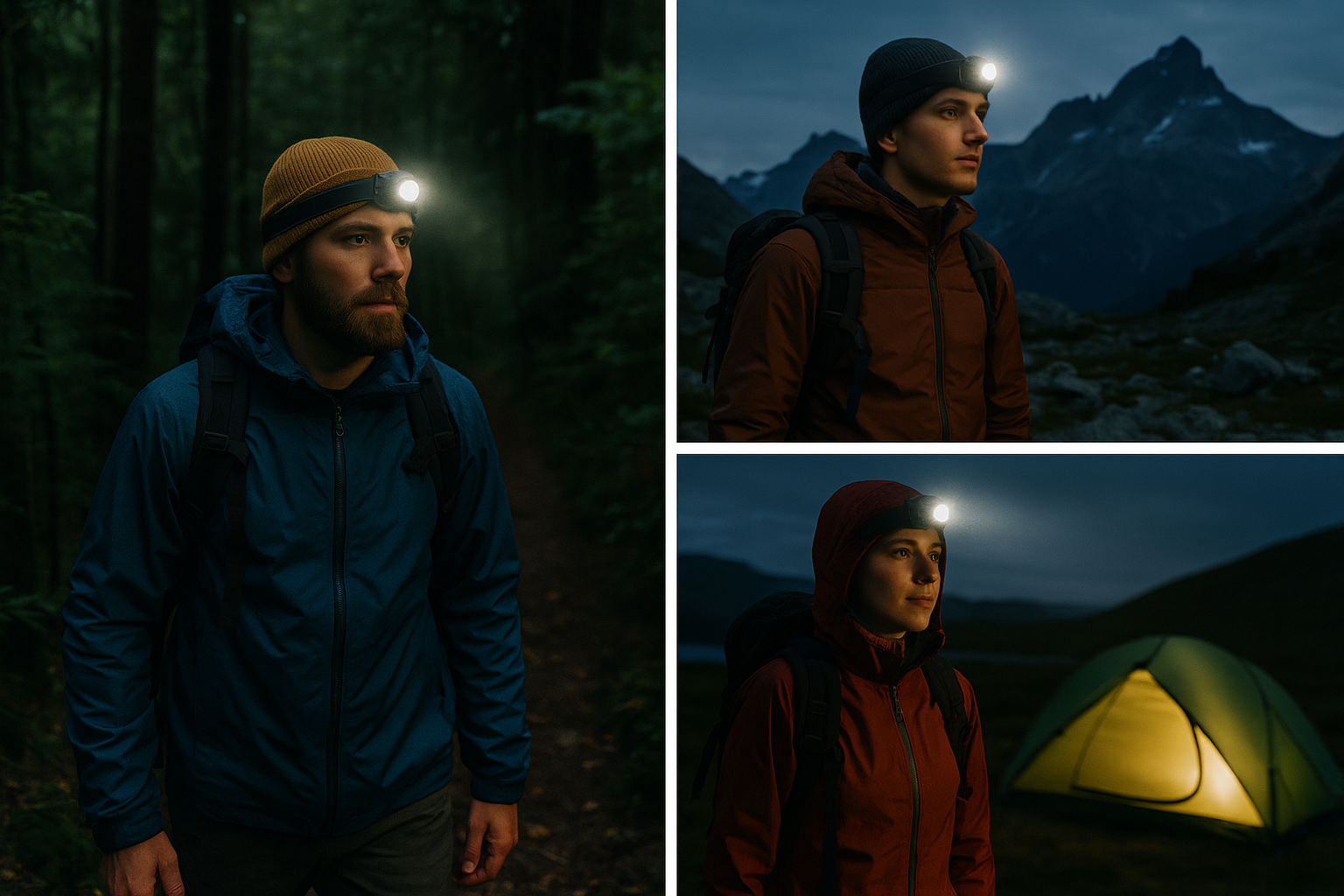
Ready to light up your next adventures?
Buying a headlamp is much more than adding a gadget to your equipment. It's opening the door to experiences that few people get to live: mountain sunrises after a night ascent, stargazing far from any light pollution, or simply the security of knowing you can get back even if it takes longer than expected. Key points to remember:Newsletter
Content that makes you want to go outside
Every week, a trail idea, a reflection on nature, or a tip worth the detour. Zero spam. Only the essentials.
Joined by 12,000+ outdoor enthusiasts
Read next