
🔥 When Your Stove Becomes Your Best Friend in Nature
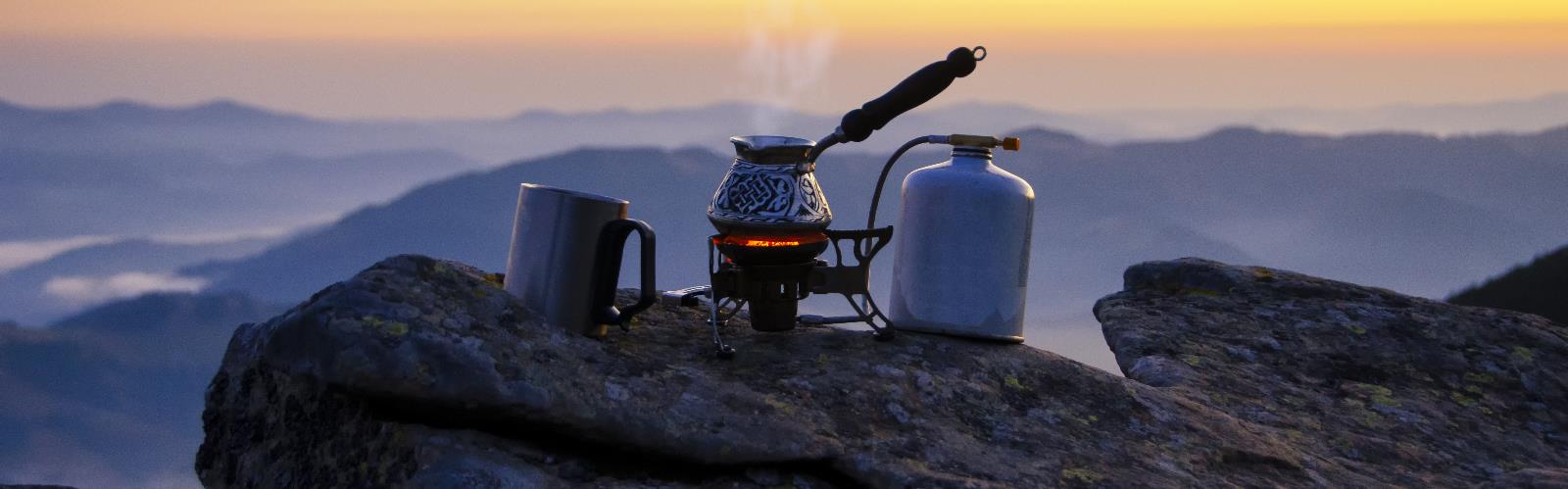
You know what makes the difference between a memorable outdoor trip and a total disaster? Often, it's that little blue flame that transforms your cold water into hot coffee at 6 AM on a mountaintop. After testing dozens of stoves on Quebec trails and beyond, I can tell you that choosing the right perfect stove according to your needs is an investment that will warm much more than your heart.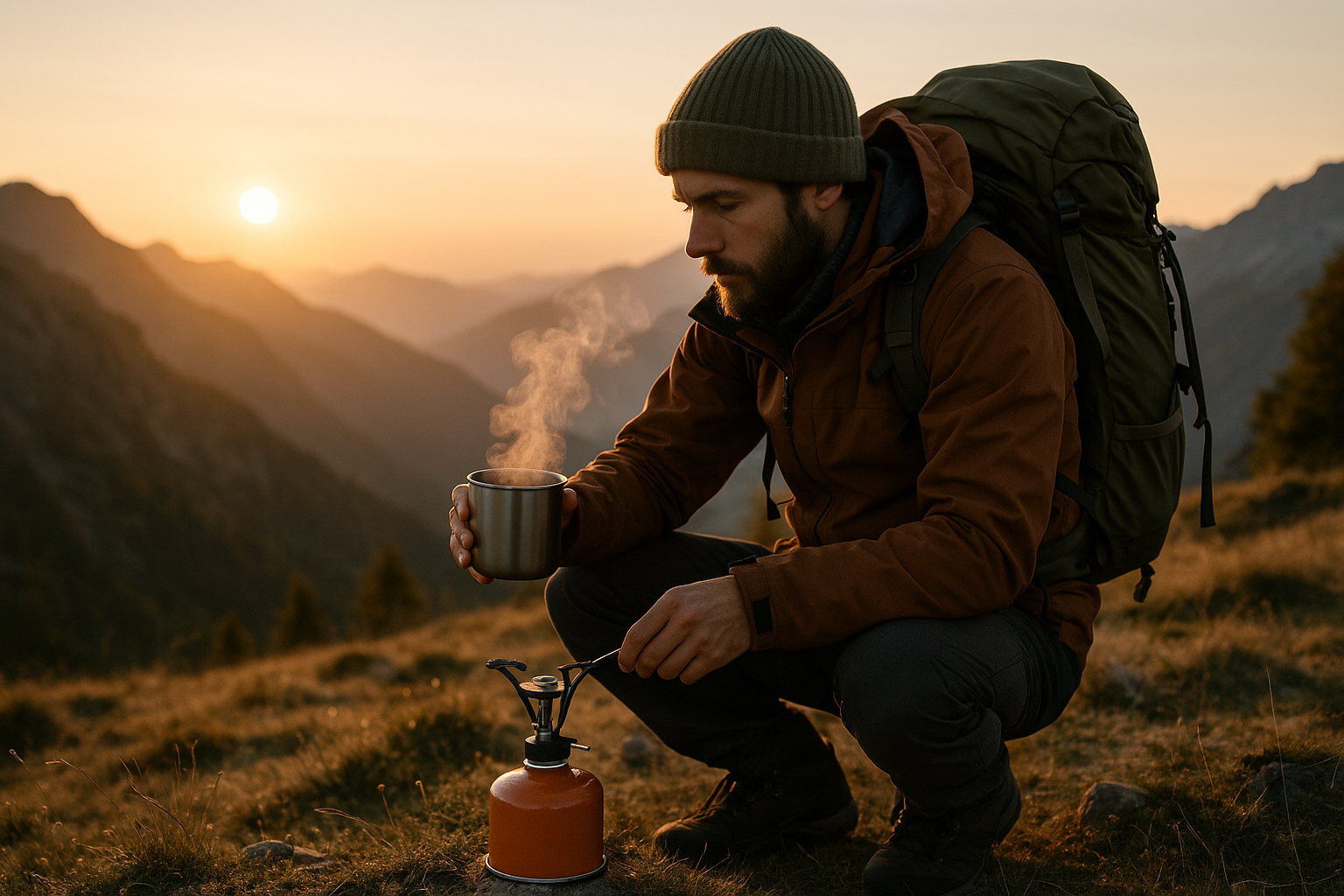
🏔️ The 3 Types of Stoves That Will Revolutionize Your Trips
Before diving into a purchase, you need to understand that there are three main families of stoves. Each has its advantages depending on the type of adventure you're planning.Gas Stoves: Simplicity and Performance
This is my #1 choice for 80% of my trips. (This is a personal choice — the best stove depends on your camping style and needs.) Gas stoves are ultra-practical: you screw on the cartridge, turn the knob, light it. Boom, you're ready! They heat quickly, control easily, and work well down to about -5°C (23°F).
💡 Pro tip — Always keep your gas cartridge in your sleeping bag overnight in winter. Cold gas loses a lot of pressure and your stove will struggle to start.
Models like the MSR PocketRocket or Jetboil Flash are my references. The Jetboil is great for boiling water quickly, but it's less versatile for cooking. The PocketRocket is tiny but super stable with a good pot.
Alcohol Stoves: Light and Reliable
For ultralight enthusiasts or purists, alcohol stoves are fantastic. No moving parts, virtually unbreakable, and rubbing alcohol is available everywhere. However, they're slower and less efficient in cold or windy weather. I used a homemade stove made from a soda can during an entire trek in the Chic-Chocs. It works, but you need patience!Multi-fuel Stoves: The All-rounders
These beasts accept multiple fuel types: white gas, regular gasoline, diesel, kerosene... Perfect for long trips where you don't know what you'll find locally.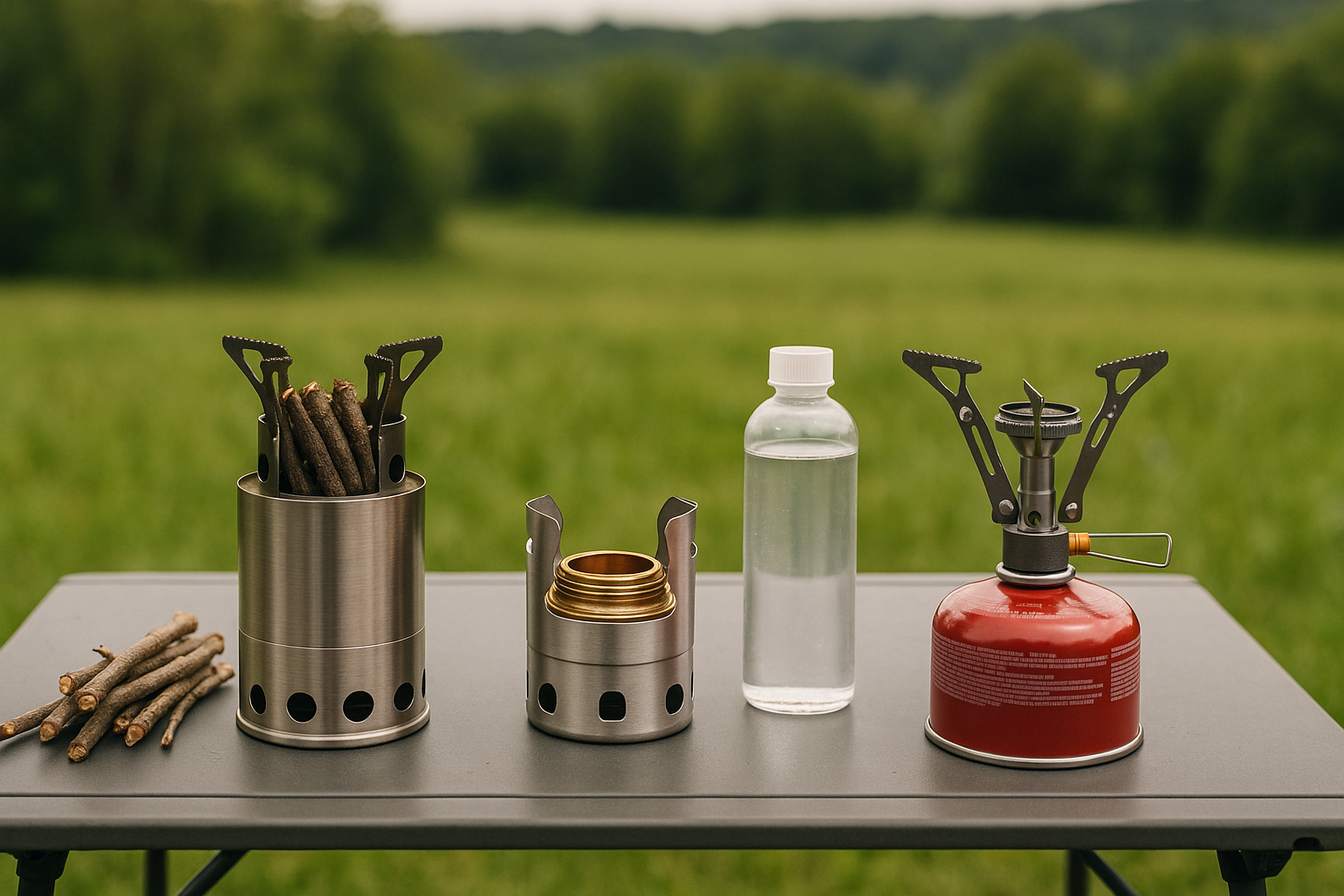
| Stove Type | Weight | Ease of Use | Winter Performance | Price |
|---|---|---|---|---|
| Gas | Light | Excellent | Good | $-$$ |
| Alcohol | Ultra-light | Simple | Average | $ |
| Multi-fuel | Heavier | Complex | Excellent | $$-$$$ |
🎒 How to Choose According to Your Adventure Style
Your stove choice must absolutely match your way of experiencing nature. Let me guide you according to different adventurer profiles.The Day Hiker Who Loves Coffee
If you mostly do day trips but want to make good hot coffee at the summit, go with a small ultra-compact gas stove. The MSR PocketRocket 2 or Optimus Crux are perfect. Light, reliable, and powerful enough to boil 500ml of water in 3-4 minutes.
📥 Download our free gifts — The complete list of all essential equipment for your day trips, including cooking gear and safety essentials.
Get my gifts →
Get my gifts →
The Weekend Camper
For 2-3 days camping, you want a stove that can really cook, not just boil water. Models with good flame control like the Primus Classic Trail or MSR WindPro II are excellent. They have more stable arms to support larger pots.The Four-Season Adventurer
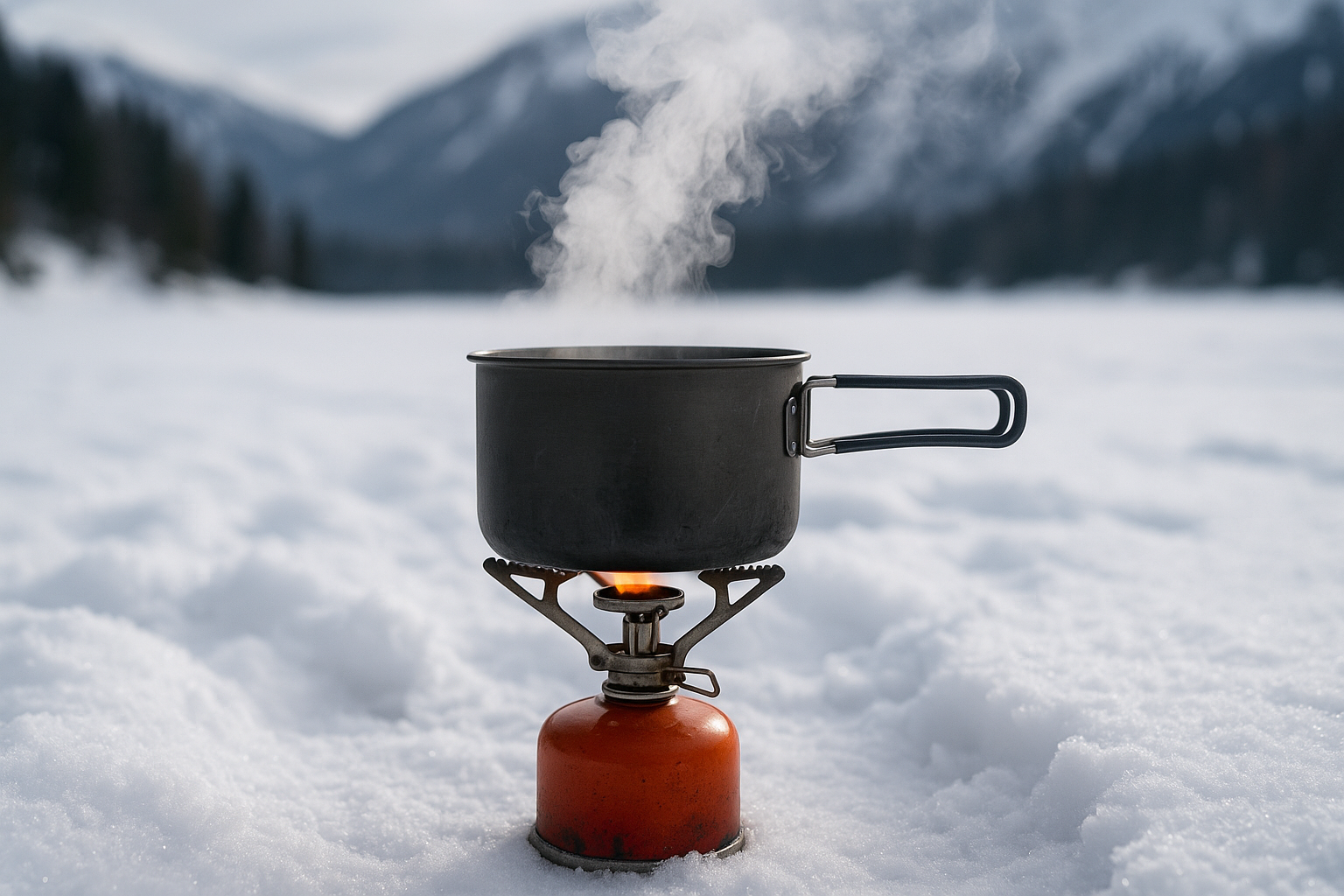
If you go out even when it's -20°C (-4°F) (respect!), you need a stove that performs in extreme weather. White gas models like the MSR XGK-EX or Optimus Nova+ are unbeatable. They start even in extreme cold and heat powerfully.
⚠️ Warning — Gas stoves require more maintenance and can be finicky. Make sure you master the startup before heading out on an expedition.
🔧 Technical Characteristics That Really Matter
Now that we've seen stove types, let's talk about specs that really make a difference in the field.Power: Stronger, Faster?
Power is measured in BTU (British Thermal Units) or watts. The more powerful, the faster it heats, but it also consumes more fuel. For most uses, 7000-10000 BTU is more than sufficient. My Jetboil MiniMo produces 6000 BTU and boils 500ml in less than 3 minutes. However, my old 12000 BTU Primus empties a cartridge twice as fast for the same result.Flame Control
This is often overlooked, but being able to finely adjust the flame is crucial if you want to do more than boil water. To simmer a sauce or cook eggs without burning them, you need a stove with good modulation.Stability and Compatibility
Make sure your stove can support the weight of your full pots. I've seen ultra-light stoves tip over with a large pot of pasta for four people. Not fun to lose your dinner!
📌 Good to know — Some stoves like Jetboil have their own optimized pots. It's super efficient, but it limits your cooking options.
Wind Resistance
Wind is your stove's #1 enemy. Even a light breeze can double your cooking time. Stoves with integrated windscreens or protected burners are a big plus. Otherwise, invest in a good separate windscreen.💰 Realistic Budget According to Your Needs
Let's talk money. A good stove is an investment that will last years if you take care of it.Tight Budget ($50-100)
You can get very good gear without breaking the bank. The Coleman FyreStorm or Etekcity ultralight are solid choices for beginners. They do the job, period.Intermediate Budget ($100-200)
This is the sweet spot in my opinion. You can get quality stoves like the MSR PocketRocket 2, Jetboil Flash, or Primus Lite+. These stoves will follow you for years and perform in most conditions.Premium Budget ($200+)
If you go out often and in varied conditions, high-end stoves are worth the investment. The Jetboil MiniMo, MSR Reactor, or multi-fuel stoves offer exceptional performance and durability.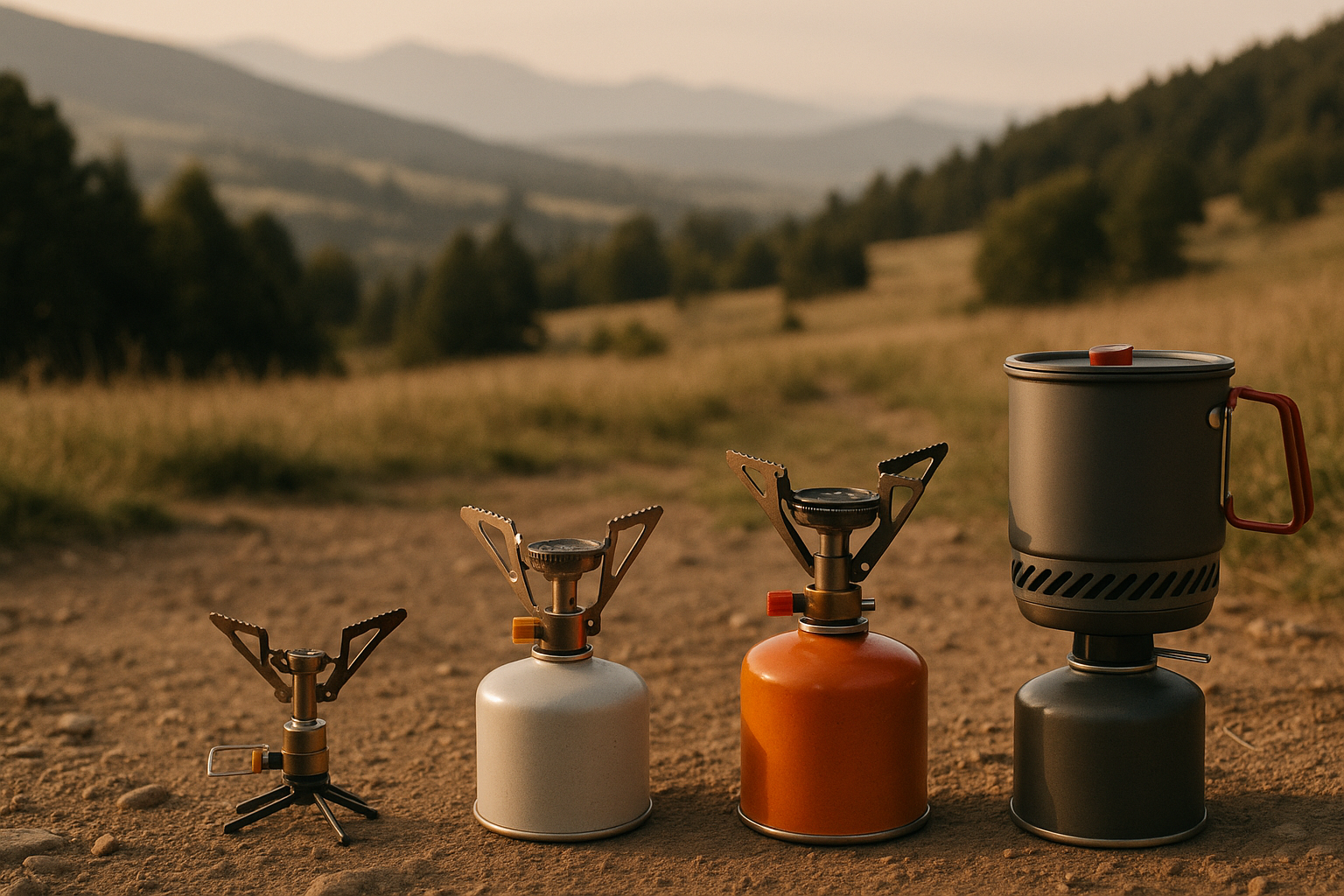
"The best stove is the one you'll actually use. Not the one that impresses in the store."
🛠️ My Pro Tips for Maintenance and Longevity
A well-maintained stove can easily last 5-10 years with regular maintenance. Here are my secrets for maximizing your equipment's lifespan.Maintenance After Each Trip
Always clean your stove after use, even if it looks clean. Food residue and moisture can cause corrosion. A wipe down and complete drying takes 2 minutes. For gas stoves, empty the tank if you won't use it for more than a month. Stagnant gasoline can leave deposits in the lines.
💡 Pro tip — Keep a repair kit with spare seals and a jet cleaning tool. It can save a trip if your stove acts up in the middle of nowhere.
Smart Storage
Store your stove in a dry place, disassemble elements if possible. For gas stoves, never leave the cartridge screwed on during storage - it wears out the seals unnecessarily.Recognizing Signs of Wear
If your stove whistles strangely, if the flame becomes irregular or yellow instead of blue, it's time for a little maintenance. Often, this is fixed with jet cleaning.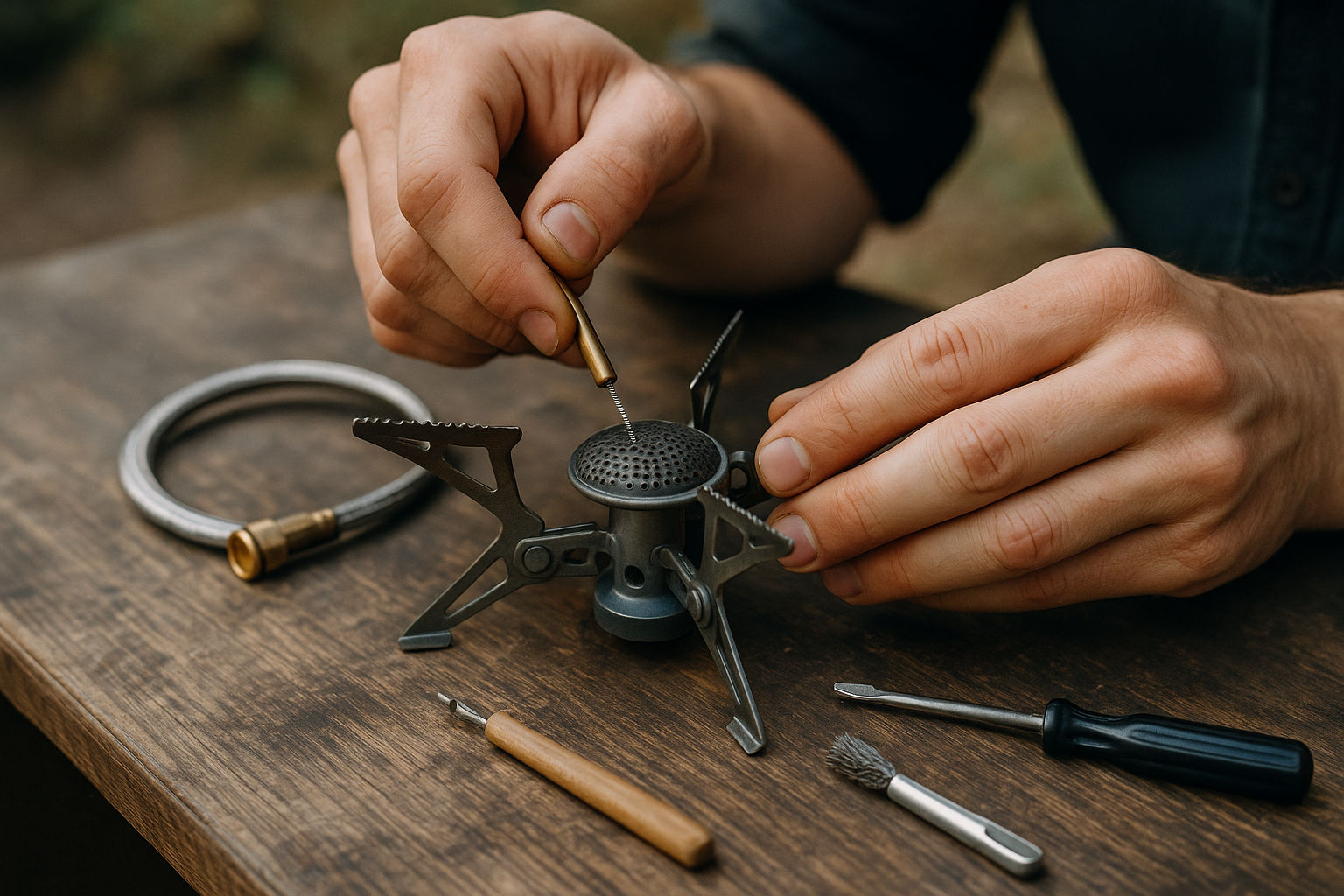
🌡️ Cold Weather Performance: Real Tips That Work
Quebec winter is rough on equipment. Here's how to keep your stove performing even when the mercury drops.Winter Fuel Choice
Gas mixtures with more isobutane perform better in cold weather than pure butane. Look for cartridges marked "4 season" or "winter blend." It costs a bit more, but it's worth every cent when it's -15°C (5°F).Warming Techniques
In very cold weather, warm your gas cartridge in your hands before using it. Some adventurers even place the cartridge in a bowl of lukewarm (not hot!) water to improve pressure.
⚠️ Warning — Never heat a gas cartridge directly with a flame or intense heat source. Explosion risk!
Stove Insulation
Use an insulating mat under your stove on snow. Ground cold can cool the cartridge and drastically reduce performance. A simple piece of camping foam does the trick.🏕️ Accessories That Change the Game
A good stove is just the beginning. The right accessories can transform your culinary experience in nature.Windscreen: Your Best Ally
Even in calm weather, a windscreen improves your stove's efficiency. Folding aluminum models are light and super effective. I always have one in my pack.Optimized Pots
Invest in good pots with thick bottoms and heat exchangers. They heat faster and more evenly. Jetboil or MSR series are excellent.Reliable Fire Starter
Forget cheap Bic lighters that quit as soon as it gets humid. A good waterproof lighter or waterproof matches are essential. I swear by my Zippo lighter with spare fuel.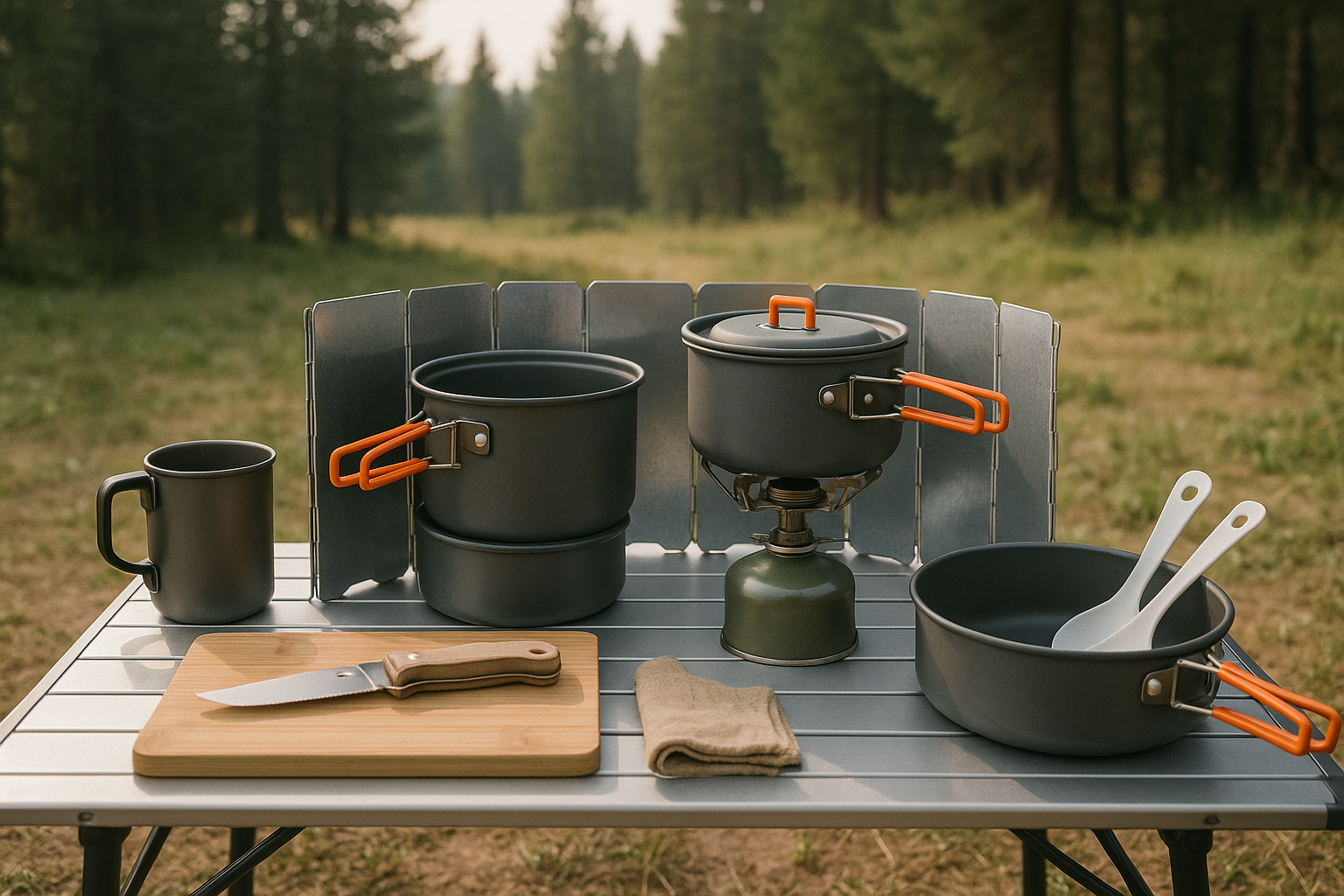
| Accessory | Utility | Budget | Priority |
|---|---|---|---|
| Windscreen | Efficiency in windy weather | $15-30 | High |
| Optimized pots | Faster cooking | $50-150 | Medium |
| Waterproof lighter | Reliable ignition | $10-25 | High |
| Repair kit | Field troubleshooting | $20-40 | Medium |
🚫 Beginner Mistakes That Cost Dearly
After 15 years advising adventurers, I still see the same mistakes. Learn from my blunders and those of others!Buying Too Big for Your Needs
The 4-burner base camp stove is impressive, but completely useless if you just do day hiking. Buy according to your real needs, not your Himalayan expedition dreams.Neglecting Home Testing
How many times I've seen people discover their new stove doesn't work as expected... in the middle of nowhere! Always test your equipment at home before leaving.
📌 Good to know — Practice lighting and adjusting your stove until you can do it with your eyes closed. In stressful or cold situations, simple gestures become complicated.
Forgetting Spare Fuel
Nothing worse than running out of gas in the middle of a trek. Always plan more fuel than necessary, especially in cold weather where consumption increases.🌟 My Final Recommendations by Category
After all this advice, here are my #1 choices in each category, based on years of field use.Best Value: MSR PocketRocket 2
Light (73g), reliable, powerful and affordable. It's been part of my basic equipment for years. Perfect for most adventurers.Best for Cooking: Jetboil MiniMo
Excellent flame control, efficient integrated system, and compact enough for backpacking. A bit more expensive, but worth the investment if you like eating well in nature.Best for Winter: MSR XGK-EX
Unbreakable in extreme weather, easy-to-find fuel, and consistent performance even at -30°C (-22°F). This is the stove I take on my serious winter outings.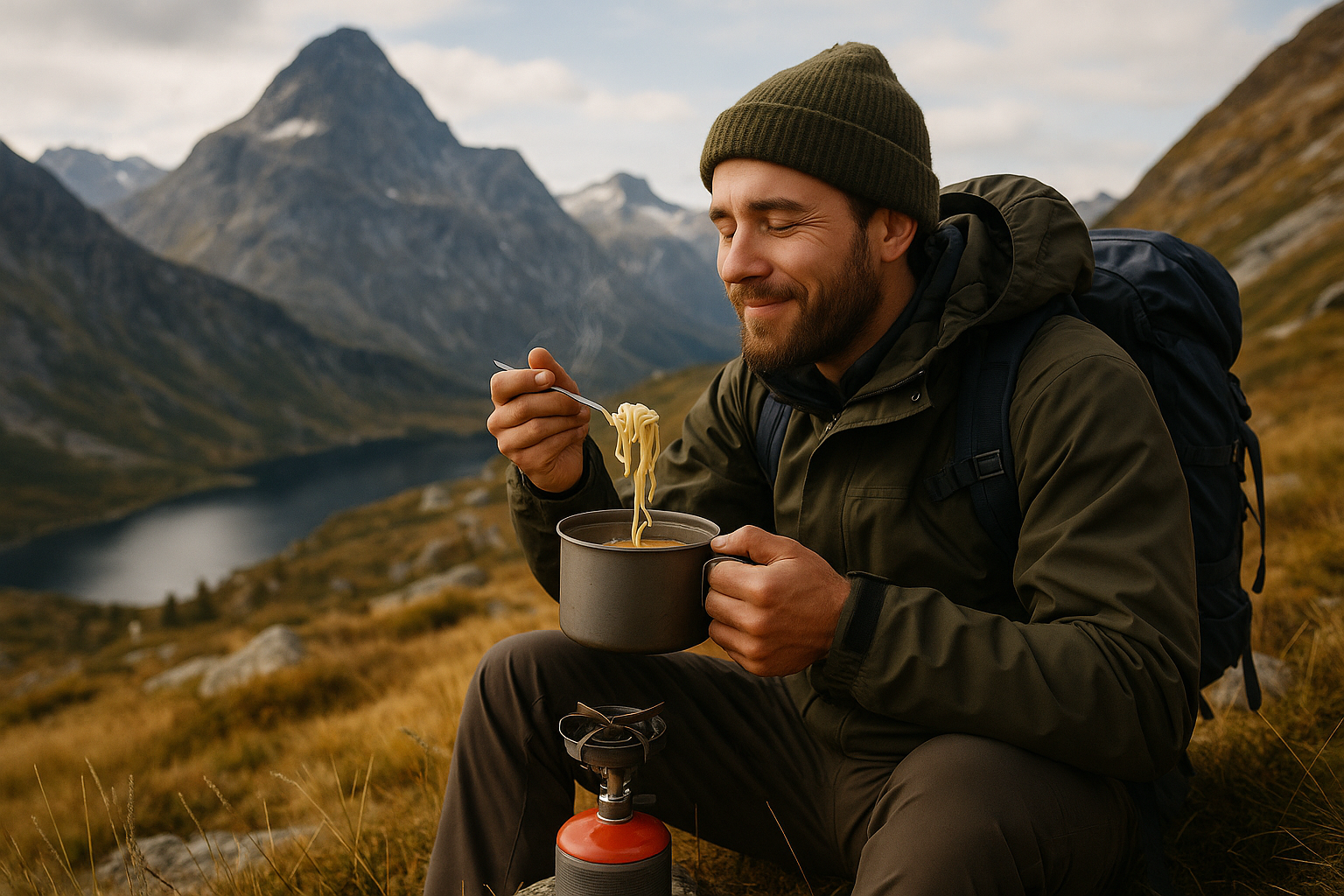
Newsletter
Content that makes you want to go outside
Every week, a trail idea, a reflection on nature, or a tip worth the detour. Zero spam. Only the essentials.
Joined by 12,000+ outdoor enthusiasts
Read next