
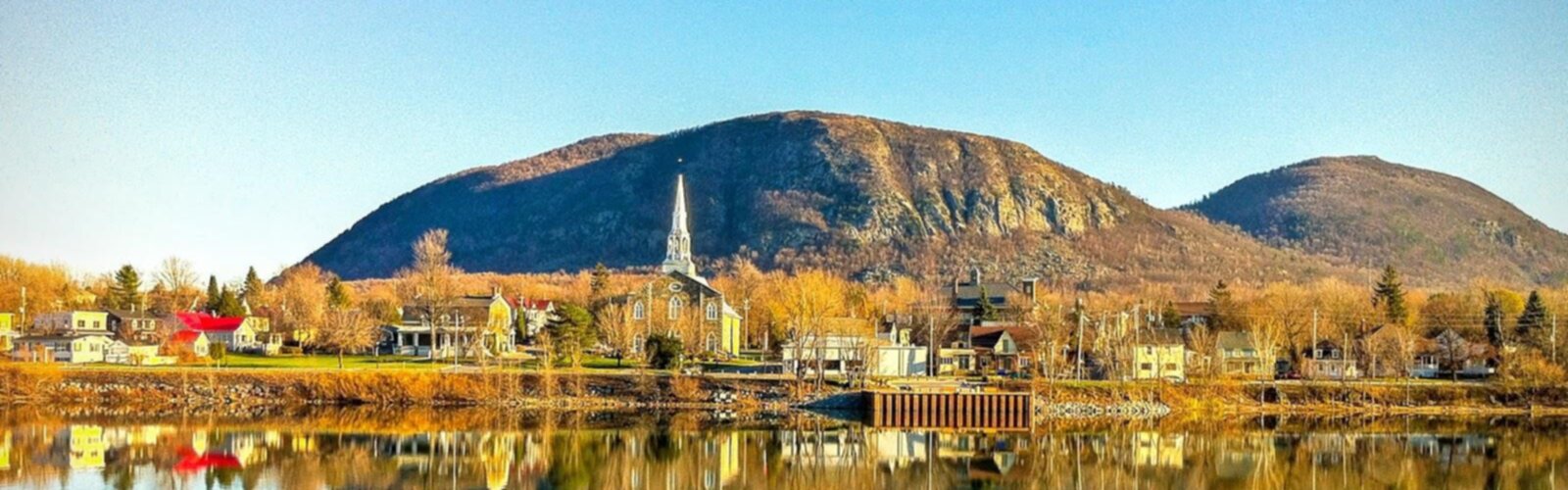
Hiking Loder Peak - panoramic view  tree outdoor landscape nature mountain sky autumn plant cloud background lake painting forest surrounded distance
--°C
Loading...
See forecast →

Hiking in Loder Peak: trails, map and practical info

Alberta North • Alberta

5.0 Appreciated by 23 hikers
François Dumaine
By François DumaineContributor since 2022Updated 27/05/2026
Difficulty
Moderate
Distance
22 km
Elevation
1,400 ft
Duration
3h30
Max altitude
2,220 ft

Tackle 22 km and 1,400 m elevation gain to Loder Peak's moderate summit near Canmore in Alberta North. This 3.5-hour climb rewards hikers with alpine meadows, mountain goats, and panoramic Rocky Mountain views—without the crowds of busier peaks.

Recommended for :
Intermediate hikers

Ready to explore Loder Peak? Here's everything you need to know before you go!

Discover the trail

Oh no! We don't have any photos 😢

This trail hasn't been captured yet. Be the first to share your adventure!

Trail description

Description

Loder Peak rises to 2,046 meters (6,713 feet) in Alberta North, offering one of the region's most rewarding mountain hiking experiences. This moderately challenging summit provides expansive views across the Canadian Rockies while remaining accessible to most hikers with reasonable fitness levels.

The peak stands as a compelling alternative to busier destinations, delivering the classic Rocky Mountain experience of alpine meadows, diverse wildlife encounters, and panoramic summit views without overwhelming crowds. Its 1400-meter elevation gain creates a satisfying workout that builds steadily through varied terrain, making each section of the 22-kilometer round-trip ascent feel distinct and engaging.

Trail Experience and Terrain

The trailhead sits near Canmore, putting you within easy reach of this alpine adventure. From the start, the path winds through dense forest where the canopy provides welcome shade during warmer months. The initial forest section allows you to settle into your hiking rhythm while enjoying the filtered light and forest sounds that characterize lower elevation hiking in the Rockies.

As you gain elevation, the forest gradually opens into meadow sections that transform dramatically with the seasons. These open areas provide your first glimpses of the surrounding peaks and give you a sense of the mountain landscape you're climbing into. The transition from forest to meadow creates natural rest points where you can assess your progress and take in the expanding views.

The moderate difficulty rating reflects steady elevation gain rather than technical challenges. The trail maintains good footing throughout most sections, though typical mountain conditions apply—expect some rocky areas, potential muddy spots during wet periods, and the usual root and rock obstacles that keep mountain hiking interesting. The path is well-defined, reducing navigation concerns and allowing you to focus on the scenery and your hiking experience.

The 11-kilometer ascent unfolds in distinct phases that help break up the climb mentally. Each terrain change brings new perspectives and keeps the hike engaging throughout the 3.5-hour journey to the summit. The sustained elevation gain builds leg strength progressively, making this an excellent training peak for more ambitious objectives.

Wildlife and Natural Features

Loder Peak's diverse elevation zones support an impressive range of wildlife that adds excitement to every hike. Deer frequently appear along the trail, particularly in the meadow sections where they graze during early morning and evening hours. Mountain goats inhabit the higher elevations and rocky areas, offering spectacular photo opportunities for patient hikers who spot them navigating the steep terrain with their characteristic ease.

The bird life varies significantly between the forested lower sections and open alpine areas. Forest species give way to high-altitude birds as you climb, creating opportunities for wildlife enthusiasts to observe how species adapt to different mountain environments. Bringing binoculars enhances these encounters, though the larger wildlife species are easily observed without magnification.

The changing vegetation zones provide their own natural interest. Lower elevation forests dominated by conifers gradually transition to hardy alpine plants adapted to shorter growing seasons and harsh weather conditions. During summer months, wildflower displays in the meadow sections add brilliant color to the mountain landscape, creating natural gardens that reward the climbing effort.

Summit Experience and Views

Reaching Loder Peak's summit delivers the payoff that makes the climb worthwhile. The 360-degree views encompass the complex mountain geography of the Canadian Rockies, with clear days offering sightlines extending to Banff National Park and beyond. The summit provides excellent perspective on how this peak fits within the larger mountain systems of the region.

The summit area offers enough space for groups to spread out and enjoy lunch while taking in the views. Rocky outcrops provide natural seating and windbreaks, important considerations given that mountain weather can change quickly at elevation. The views shift throughout the day as lighting conditions change, making the summit an excellent place to spend time rather than simply tag and descend immediately.

From the top, you can trace your ascent route and gain appreciation for the elevation you've gained. The perspective also reveals other peaks and valleys in the area, potentially inspiring future hiking objectives. The view encompasses both the wild mountain landscape and distant signs of human presence, providing context for your position within this remarkable mountain environment.

Planning and Preparation

Proper preparation significantly improves your Loder Peak experience. Sturdy hiking boots provide essential ankle support and traction on varied terrain, while weather-appropriate clothing allows you to adapt to changing mountain conditions. Layer systems work best, allowing you to adjust your insulation as exertion levels and weather conditions change throughout the day.

Water requirements exceed typical day-hike needs due to the significant elevation gain and mountain environment. Carry more water than you think you'll need, particularly during warmer months when dehydration becomes a serious concern. High-energy snacks help maintain energy levels during the sustained climb, with the summit providing an excellent lunch spot to refuel for the descent.

Mountain weather changes rapidly and can catch unprepared hikers in dangerous conditions. Check current forecasts and be prepared to turn back if conditions deteriorate. Afternoon thunderstorms are common during summer months, making early starts advisable for both weather avoidance and optimal lighting conditions on the summit.

Hiking with companions improves both safety and enjoyment, though solo hikers who inform others of their plans and expected return times can safely tackle this route. Cell phone coverage varies throughout the hike, so don't rely on electronic communication for emergency situations.

Leave No Trace principles are essential for preserving Loder Peak's natural character. Pack out everything you bring in, stay on established trails to prevent erosion and vegetation damage, and respect wildlife by observing from appropriate distances. These practices ensure that future hikers can enjoy the same pristine mountain experience that makes this peak a standout destination in Alberta's mountain landscape.

Ready to go?

Everything you need to know before you go

Where?

Address
Loder Peak, Alberta T0L 2H0, Canada
GPS coordinates
51.0933333, -115.1416666
Phone
Not available

Starting Point

The loder peak trails are located in the Kananaskis Country area of Alberta. To get to the start of the trails, take the Trans-Canada Highway to the exit for Kananaskis Country. Follow the signs to the Peter Lougheed Provincial Park. The trailhead is located at the end of the park road.

When?

Opening hours
From sunrise to sunset
Varies by season
Best season
Fall
Spectacular colors
Best time
Early morning
Less crowded
Weather (next days)
Loading

How much?

Entry fees
Adult
Not available
Child
What to bring?
Gear
  • Hiking shoes Essential
  • Layered clothing Essential
  • Rain jacket Essential
  • Trekking poles
  • Headlamp
Download the PDF checklist
Water & food
2L minimum
No water point on the trail
Bring energy snacks for a 4h+ hike
Good to know
Park rules
No dogs
Safety
Download the GPX before you go
Limited cellular coverage on the trail
Slippery after rain
Be careful on rocky sections
In an emergency
Emergency
911
Parking GPS
51.0933333, -115.1416666
Center
Not available

Hikers' opinions

5.0
16 Reviews
D
David
Dec 8, 2025
Winter ascent required microspikes due to icy conditions on technical scrambling sections. The snow-covered landscape was beautiful but visibility remained limited throughout the day. Only suitable for experienced winter hikers with proper alpine gear. The well-marked approach from the trailhead was helpful despite heavy snow coverage.
R
Robert
Nov 3, 2025
Winter conditions transformed this scramble into an extremely technical undertaking requiring microspikes and advanced winter hiking skills. The icy scrambling sections near the summit demanded careful footwork and experience with exposed winter terrain. Visibility was limited by snow and clouds, but the snow-covered landscape offered stunning beauty. The well-marked approach was invaluable for navigation in challenging winter conditions.
S
Sarah
Oct 28, 2025
Beautiful fall foliage on lower sections made the challenging climb worthwhile. The steep terrain becomes noticeably more technical as you gain elevation, especially during the final approach. Took about six hours including photo breaks. Weather shifts rapidly at higher altitudes, so layering is essential for comfort and safety.
M
Marcus
Sep 12, 2025
Stunning alpine adventure with excellent visibility during early fall. The relentless steep ascent demands proper footwear and scrambling experience, particularly on exposed terrain near the summit. The Kananaskis wilderness setting is pristine and well-maintained. This is definitely not a casual walk—expect technical sections that require confidence on steep ground.
M
Marcus
Sep 12, 2025
The autumn foliage on the lower sections really enhanced the hiking experience during my visit. The steep climb proved demanding, particularly on the scrambling portions near the summit. I spent considerable time taking photographs and completed the round trip in approximately six hours. Weather conditions shifted rapidly at higher elevations, so wearing multiple layers is absolutely essential for comfort and safety.

FAQ - Frequently asked questions

Everything you need to know
Moderate
1400.00 m
2220.00 m
3h30
No
No
The Loder Peak trail is rated as Moderate difficulty. This means it requires a reasonable level of fitness and hiking experience, though it is accessible to most hikers in good health.
Didn't find your answer?
Free 1 pages

The Essential Hiking Checklist

Everything you need for your next hike. Bilingual, printable, 1 page.

Download the free checklist
Top 10 best hiking in Alberta North
Our ranking based on hiker reviews

Hiking near Canmore

200 trails to explore ~14 km away

View trails
Did you spot an error?

We work hard to provide the most up-to-date and error-free data possible. If something seems incorrect, let us know!

Update : June 2026