


Ready to explore Rae Lake? Here's everything you need to know before you go!
Discover the trail
Oh no! We don't have any photos 😢
This trail hasn't been captured yet. Be the first to share your adventure!Trail description
Description
Rae Lake is a quiet destination in Alberta North that rewards visitors with genuine wilderness character without demanding expert-level fitness. The combination of accessible shoreline hiking, solid elevation gain, and a lake setting that shifts mood with the light makes it a solid choice for a half-day outing.
Trail Experience and Terrain
The trail system around Rae Lake moves through three distinct environments, and that variety is a big part of what makes the hike interesting. You start in boreal forest where spruce and fir close in overhead, keeping things cool and shaded. The needle-covered ground underfoot is forgiving, and the forest has that particular northern Alberta quiet to it—muffled, dense, and easy to settle into.
The forest eventually opens into meadow sections where the sky comes back and sight lines stretch toward distant ridges. These clearings are natural spots to pause, catch your breath, and take in the scale of the surrounding landscape. During summer, wildflowers fill these open areas with color—fireweed, Indian paintbrush, and wild roses are all part of the mix.
The shoreline trail is where most people spend the most time, and for good reason. The path follows Rae Lake's edge, alternating between rocky outcrops and small beaches. The lake's clear water picks up the sky and surrounding vegetation, and on calm mornings the reflections are sharp enough to make you stop and look twice. This section stays relatively flat, making it the most accessible part of the trail for families or anyone looking for a gentler pace.
For those wanting more out of the legs, routes leading away from the lake climb through mixed terrain and gain 500 meters of elevation. The gain is distributed across rolling hills rather than concentrated in one steep push, which keeps the effort manageable while still delivering a real workout. The views from higher ground are worth the extra effort.
Wildlife and Natural Features
Rae Lake sits in solid wildlife habitat. Deer move through the trail system regularly, most often spotted during early morning and evening. Moose frequent the marshy edges of the lake and can sometimes be seen from the shoreline trail, though they tend to keep their distance. Patience and quiet movement improve your odds with both species.
The bird life here reflects the habitat diversity. Woodpeckers, nuthatches, and songbirds work through the forest sections, while the lake draws waterfowl including loons—their calls carry across the water in a way that's hard to forget. Hawks and eagles use the thermals above the meadows and are often visible circling overhead.
The lake supports healthy fish populations, with trout being the main species. In shallow bays, you can sometimes spot them from the shoreline, which adds a layer of interest even if you're not fishing. The plant life shifts noticeably between environments: Labrador tea and blueberry bushes fill the forest understory, wildflowers take over in the meadows, and cattails and sedges line the wetter shoreline sections.
Water Activities and Fishing
Rae Lake's calm water and protected location make it well-suited for kayaking and canoeing. Several natural launch points are accessible from the trail system, and paddling opens up quiet bays and inlets that you simply can't reach on foot. Wildlife in these areas tends to be less disturbed by watercraft than by hikers, which can make for better close-up encounters.
Fishing focuses on trout, and the varied shoreline gives anglers options—rocky points for casting, shallow feeding bays, and deeper drop-offs for different techniques. Shore fishing and fishing from a boat both produce results. For visitors who want to combine activities, the setup works well: hike to a good spot, fish for a stretch, then keep moving on the trail.
Access and Seasonal Considerations
The roads leading to Rae Lake handle regular passenger vehicles without issue. Spring is the one season worth checking ahead—frost damage and road repairs can temporarily affect access after the thaw. It's a quick check that can save a wasted trip.
Summer offers the most reliable conditions: trails are clear, daylight hours are long, and the lake is warm enough for paddling. Wildlife activity is high, and the wildflower bloom in the meadows peaks during these months. Fall brings cooler temperatures, reduced insects, and the kind of foliage colors that make northern Alberta worth visiting on their own. Spring rewards early-season visitors with migrating birds and the first wildflowers, though trail conditions can be soft and variable.
What to Bring
Sturdy hiking boots with ankle support handle the terrain well—you'll move between forest duff, rocky shoreline, and open meadow, and footwear that works across all three makes the day more comfortable. Weather in this part of Alberta can shift without much warning, so layering is the practical approach rather than betting on stable conditions.
Carry more water than you think you'll need, especially if you're combining hiking with fishing or paddling. The 500-meter elevation gain increases hydration requirements noticeably compared to flat-terrain outings. A camera with some telephoto reach is useful for wildlife, since maintaining safe distances from moose and other animals is both a safety consideration and a matter of not disturbing them.
With an estimated 1.5 hours on trail, Rae Lake fits comfortably into a half-day outing, leaving time for shoreline exploration, a fishing session, or simply sitting by the water before heading back.
Recommended gear for this trail


Ready to go?
Everything you need to know before you goStarting Point
The rae lake trailhead is located in the hamlet of Rae, Alberta. Rae is located approximately 95 km west of Edmonton on Highway 16. The trailhead is located on the north side of the highway, approximately 1 km east of the hamlet of Rae.
When?
How much?
- Hiking shoes Essential
- → Salomon Elixir Tour Mid WP · 203.38 $
- Layered clothing Essential
- Rain jacket Essential
- Trekking poles
- → Black Diamond Trail Ergo Cork · 69.99 $
- Headlamp
- → Petzl Actik Core 625 · 103.95 $
FAQ - Frequently asked questions
Everything you need to know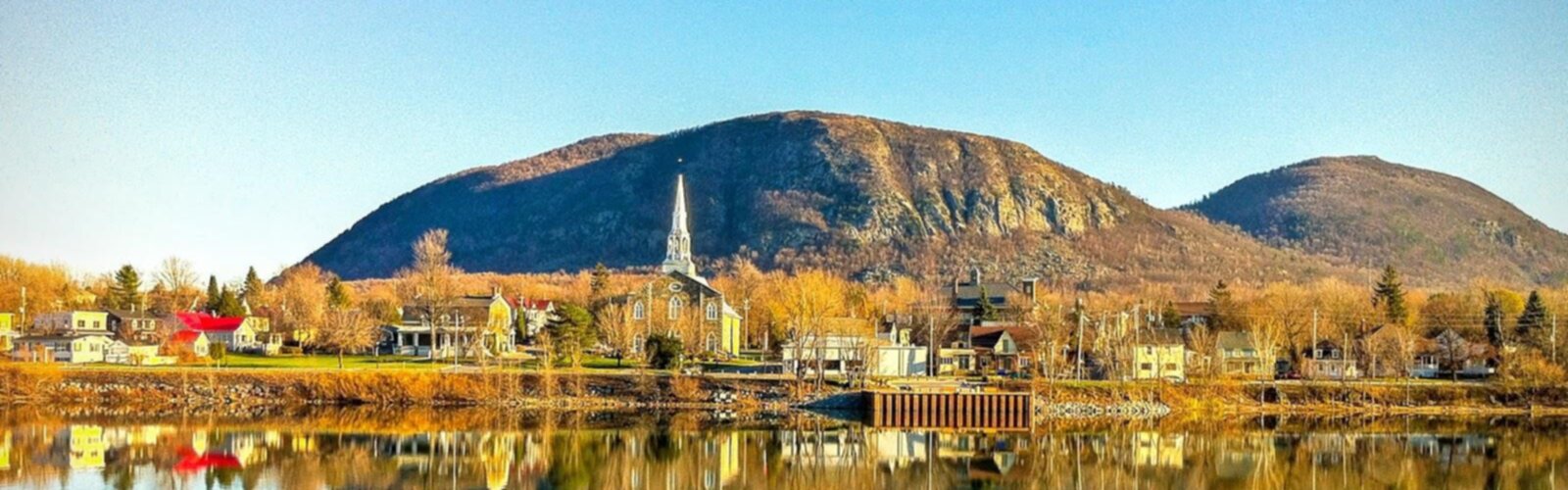
25 hikes under 2 hours from Montreal
Distance, elevation, parking and season for each one. The ones we go back to ourselves.
Get the guideSimilar hikes nearby
Discover other trails you might enjoy

Wind Ridge Trail
Alberta North
Roche Bonhomme
Alberta North
Loder Peak
Alberta North
Lake Helen
Alberta North
Willmore Wilderness Park
Alberta North
Stanley Falls
Alberta North
Hiking near Canmore
200 trails to explore ~55 km away
We work hard to provide the most up-to-date and error-free data possible. If something seems incorrect, let us know! Your contribution helps the whole community.
Hikers' opinions