
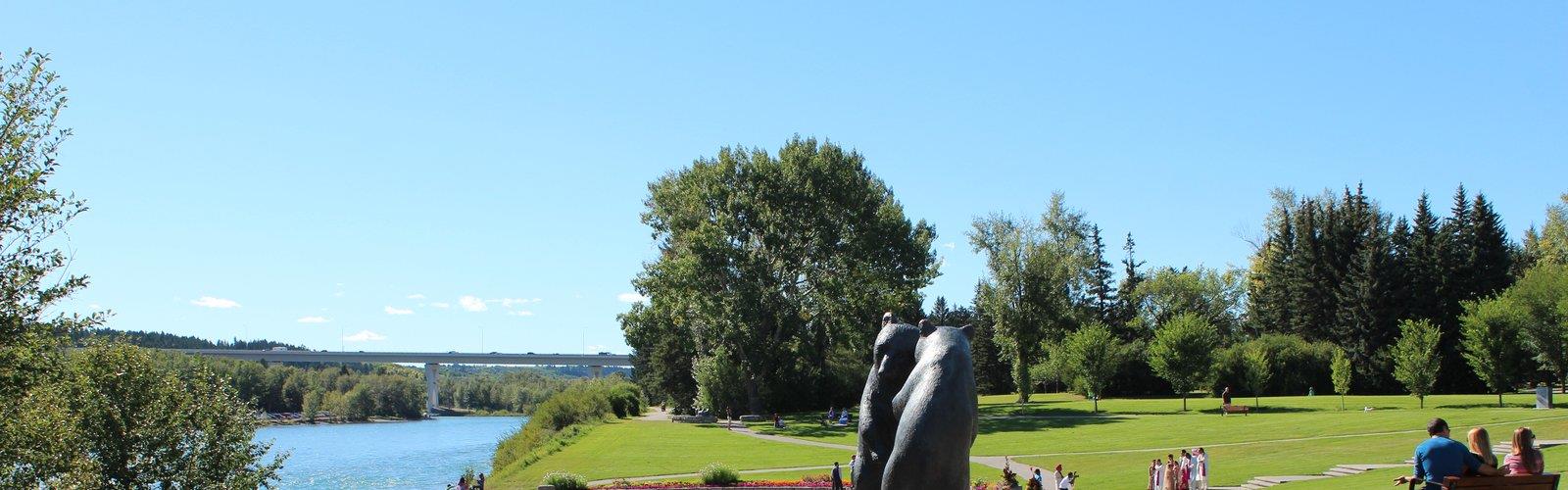

Ready to explore Baker Park? Here's everything you need to know before you go!
Discover the trail
Oh no! We don't have any photos 😢
This trail hasn't been captured yet. Be the first to share your adventure!Trail description
Baker Park sits tucked away in the Canadian Rockies, offering hikers a genuine mountain experience without the crowds that plague more famous destinations. This isn't just another pretty spot—it's a working wilderness where you'll encounter real terrain challenges, authentic wildlife interactions, and the kind of solitude that makes you remember why you started hiking in the first place.
What Makes This Place Special
The park's location in the heart of the Canadian Rockies gives it that classic alpine character: dramatic elevation changes, weather that can shift in minutes, and views that stretch across multiple mountain ranges. Unlike some Rocky Mountain parks that funnel everyone onto the same few trails, Baker Park spreads its visitors across a network of paths that actually feel different from each other. You're not just walking through generic mountain scenery—each trail here has its own personality and challenges.
The terrain varies significantly depending on which route you choose. Lower elevation areas feature dense pine forests with that distinctive mountain quiet, where your footsteps on pine needles become the loudest sound around. As you climb higher, the forest opens up into alpine meadows that explode with wildflowers during the right season. The upper reaches offer that exposed, above-treeline hiking where you feel the full scale of the mountains around you.
With 816 meters of elevation gain spread across 17.2 kilometers of trails, Baker Park delivers a challenging but rewarding experience that typically takes around six and a half hours to complete. This isn't a casual afternoon stroll—it's a serious mountain hike that demands proper preparation and respect for the terrain.
Trail Experience and Terrain
The Meadow Loop Trail serves as the park's gentle introduction to mountain hiking. Don't mistake "gentle" for boring—this route takes you through some of the most vibrant wildflower displays you'll find in the Rockies. The trail surface is well-maintained but still feels natural, winding through meadows that change character throughout the hiking season. Early summer brings lupines and Indian paintbrush, while late summer shifts to asters and goldenrod. The loop format means you're always seeing new scenery, never just retracing your steps.
For hikers ready to work harder, the Summit Ridge Trail delivers the kind of panoramic payoff that makes your legs forget how much they were complaining on the way up. This isn't a casual stroll—you'll gain significant elevation and encounter terrain that demands attention and proper footwear. The trail climbs steadily through mixed forest before breaking into open alpine zones where the views start opening up. The final push to the ridge requires some scrambling over rock sections, but nothing technical enough to need special equipment.
The panoramic views from Summit Ridge justify every step of the climb. You'll see multiple mountain ranges stretching to the horizon, with the kind of layered perspective that only comes from earning your elevation. On clear days, the visibility extends far enough to pick out individual peaks and valleys that would take days to reach on foot.
What sets Baker Park apart from other mountain destinations is how the difficulty builds gradually. You start in comfortable forest terrain that lets you warm up and find your rhythm. The middle sections introduce steeper grades and rockier footing without overwhelming less experienced hikers. By the time you reach the challenging upper elevations, you've had time to adjust to the altitude and assess your energy levels.
Wildlife and Natural Features
Baker Park's wildlife population reflects its position in prime Rocky Mountain habitat. Elk are common enough that you should expect to encounter them, especially during early morning or evening hikes. These aren't zoo animals—they're wild elk in their natural environment, which means keeping your distance and respecting their space. During rutting season, give them even more room and consider timing your hikes for midday when they're less active.
Marmots add a playful element to higher elevation hikes, often popping up from rock piles to check out passing hikers before disappearing again with sharp whistles. Their presence usually indicates you're getting into proper alpine terrain. The park also supports populations of mountain goats, black bears, and various smaller mammals, though sightings depend heavily on timing and luck.
The crystal-clear lakes scattered throughout the park provide more than just scenic value—they're indicators of the area's water quality and ecological health. These aren't large bodies of water, but they offer perfect spots for extended breaks and the kind of reflection opportunities that make mountain hiking memorable. The water stays cold year-round, fed by snowmelt and mountain springs.
Planning Your Visit
Weather in the Canadian Rockies changes fast and can catch unprepared hikers off guard. Check current conditions before heading out, but also pack for conditions worse than the forecast suggests. Mountain weather systems move quickly, and what starts as a sunny morning can turn into afternoon thunderstorms or unexpected temperature drops.
Essential gear goes beyond the obvious water and snacks. Proper hiking boots make a significant difference on the more challenging trails, especially Summit Ridge Trail where loose rock and steep sections demand good traction. Layer your clothing—mountain temperatures vary dramatically with elevation and time of day. A lightweight rain jacket belongs in every pack, regardless of the morning forecast.
Given the challenging nature of the terrain and the time commitment required, start early to avoid afternoon weather and ensure you have plenty of daylight for the return journey. The combination of distance and elevation gain means this hike will test your endurance, so be honest about your fitness level and turn back if conditions or energy levels deteriorate.
Trail maps are available, but the park's trail system is well-marked enough that navigation shouldn't present problems for most hikers. Still, carrying a map helps with planning breaks and understanding the terrain ahead. Cell phone coverage is spotty at best, so don't count on GPS apps or emergency calls from remote areas.
The park operates on leave-no-trace principles, which means packing out everything you bring in and staying on designated trails. This isn't just environmental courtesy—it's what keeps places like Baker Park accessible and unspoiled for future visitors. The pristine condition of the trails and natural areas reflects the care previous visitors have taken, and maintaining that standard ensures the park stays open and welcoming.
Baker Park rewards hikers who come prepared and approach it with realistic expectations about mountain hiking. This isn't a manicured nature walk—it's genuine Rocky Mountain wilderness that demands respect and offers authentic mountain experiences in return.
The Essential Hiking Checklist
Everything you need for your next hike. Bilingual, printable, 1 page.
Get your free hiking checklistRecommended gear for this trail
As an Amazon Associate I earn from qualifying purchases.


Ready to go?
Everything you need to know before you goStarting Point
The baker park trails can be accessed from the east side of the park near the playground, or from the west side near the tennis courts.
When?
How much?
As an Amazon Associate I earn from qualifying purchases.
Affiliate links — LGPO may earn a commission at no extra cost to you.
- Hiking shoes Essential
- → Salomon Elixir Tour Mid WP · 203.38 $
- Layered clothing Essential
- Rain jacket Essential
- Trekking poles
- → Black Diamond Trail Ergo Cork · 69.99 $
- Headlamp
- → Petzl Actik Core 625 · 103.95 $
FAQ - Frequently asked questions
Everything you need to knowSimilar hikes nearby
Discover other trails you might enjoy
Auburn Bay Lake
Calgary & Area
Douglas Fir Trail E
Calgary & Area
Mount Douglas Park
Calgary & Area
Mt Lorette Ponds
Calgary & Area
Yamnuska Ridge & CMC Valley Trailhead
Calgary & Area
River Park Off Leash Dog Park
Calgary & Area
Hiking near Calgary
120 trails to explore ~12 km away
We work hard to provide the most up-to-date and error-free data possible. If something seems incorrect, let us know! Your contribution helps the whole community.
Hikers' opinions
Be the first to review!
No hiker has shared their experience yet. Share your impressions and help other hikers!