Hiking Banded Peak - panoramic view  tree outdoor landscape nature mountain sky autumn plant cloud background lake painting forest surrounded distance
--°C
Loading...
See forecast →

Hiking in Banded Peak: trails, map and practical info

Calgary & Area • Alberta

4.0 Appreciated by 26 hikers
François Dumaine
By François DumaineContributor since 2022Updated 31/05/2026
Difficulty
Easy
Distance
11 km
Elevation
1,067 ft
Duration
4h35
Max altitude
2,934 ft

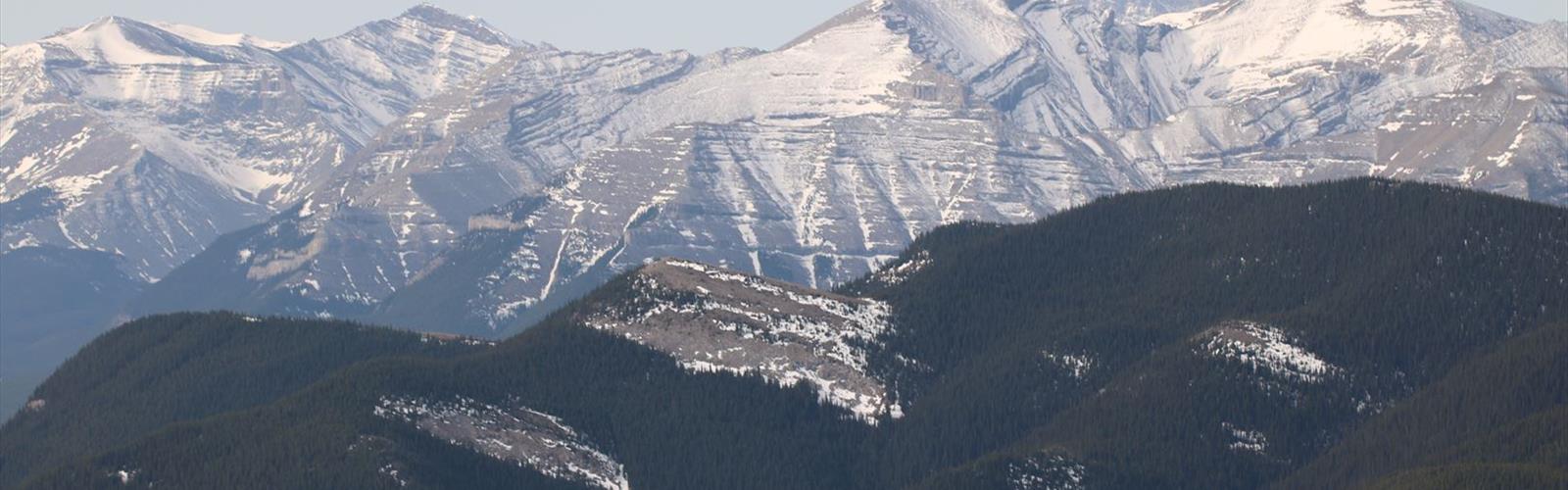
Tackle this 11.2 km summit hike near Calgary with 1,067 m elevation gain to reach Banded Peak's distinctive horizontal rock bands in Kananaskis Country. A 4h35 challenge rewarding experienced hikers with panoramic views across the Front Ranges and prairie beyond.

Recommended for :
Beginners

Ready to explore Banded Peak? Here's everything you need to know before you go!

Discover the trail
Oh no! We don't have any photos 😢

This trail hasn't been captured yet. Be the first to share your adventure!

Trail description

Description

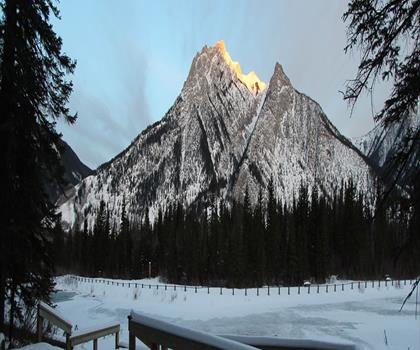
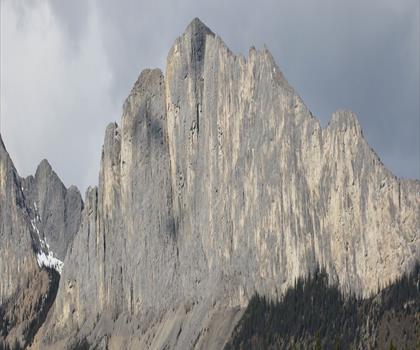
Banded Peak rises to 2,934 meters (9,626 feet) in Alberta's Kananaskis Country, within the Elbow-Sheep Wildland Provincial Park. This distinctive summit gets its name from the horizontal rock bands that wrap around the peak, creating striking geological patterns visible from miles away. These sedimentary layers tell the story of ancient sea floors and mountain-building forces that shaped the Canadian Rockies over millions of years.

The mountain stands as one of the more prominent peaks in the Front Ranges, offering hikers a substantial challenge with exceptional rewards. Its position provides commanding views across the eastern slopes of the Rockies, making it a favorite destination for experienced hikers seeking both a physical test and spectacular alpine scenery.

The Trail Experience

The journey to Banded Peak begins at Little Elbow Campground, where you'll find ample parking and basic facilities to prepare for your day. The trailhead is well-marked and easily accessible, making logistics straightforward despite the challenging hike ahead.

The 22-kilometer (13.7-mile) round trip follows well-established paths that wind through diverse terrain. You'll start in dense montane forests dominated by spruce, fir, and pine, where the trail crosses several sparkling streams via wooden bridges and rock hops. The forest floor here is often carpeted with wildflowers in summer, including Indian paintbrush, fireweed, and mountain asters.

As you gain elevation, the forest gradually opens into subalpine meadows dotted with clusters of Engelmann spruce and subalpine fir. The trail becomes rockier and more exposed as you approach treeline, requiring careful footing on loose scree and weathered limestone. The final approach to the summit involves some scrambling over stable rock bands, though no technical climbing skills are required.

This moderately challenging route demands good fitness and hiking experience. The sustained elevation gain and length make it unsuitable for beginners, but experienced hikers will find the difficulty level rewarding rather than overwhelming. The trail is generally well-marked, though some sections near the summit require basic route-finding skills.

Wildlife and Natural Features

The diverse ecosystems along the Banded Peak trail support abundant wildlife. White-tailed and mule deer are commonly spotted in the lower forested sections, particularly during early morning or evening hours. Hoary marmots inhabit the alpine areas, their distinctive whistles often echoing across the rocky slopes as they warn of approaching hikers.

Golden eagles and other raptors frequently soar above the higher elevations, riding thermals that rise from the sun-warmed rock faces. In the forests, you might encounter Clark's nutcrackers, gray jays, and various woodpecker species. Black bears and mountain goats also inhabit the area, though sightings are less predictable.

The geological features become increasingly dramatic as you climb higher. The rock bands that give the peak its name are composed of different types of sedimentary rock, each representing distinct periods in the region's geological history. These layers create natural ledges and terraces that break up the mountain's profile and provide interesting scrambling terrain near the summit.

Summit Views and Rewards

The panoramic views from Banded Peak's summit rank among the finest in Kananaskis Country. On clear days, the eastern vista extends all the way to Calgary's skyline, with the prairie stretching endlessly beyond. To the west, the main ranges of the Canadian Rockies create a dramatic backdrop of snow-capped peaks and deep valleys.

Notable neighboring summits visible from the top include Mount Glasgow and Mount Cornwall, both prominent peaks in their own right. The Elbow River valley spreads out below, its meandering course clearly visible through the forested landscape. The sense of accomplishment upon reaching this vantage point is amplified by the substantial effort required to get there.

The summit area itself provides ample space for rest and photography, with stable rock formations offering comfortable seating. The distinctive banded rock layers are particularly photogenic in the changing light conditions throughout the day.

Planning Your Visit

Proper preparation is essential for a successful Banded Peak adventure. Sturdy hiking boots with good ankle support are mandatory, as the trail includes loose rock, stream crossings, and some light scrambling. The length and elevation gain of this hike demand adequate water supplies – carry at least three liters per person, more in hot weather.

Weather conditions in the mountains change rapidly and can be dramatically different from valley forecasts. Pack layers including a warm insulating layer and waterproof shell, even on seemingly perfect days. The exposed summit area can be particularly cold and windy, making warm clothing essential for comfort during rest stops.

Mountain weather requires constant attention to changing conditions. Afternoon thunderstorms are common in summer, making early starts advisable. Check current weather forecasts and be prepared to turn back if conditions deteriorate. The exposed nature of the upper mountain makes it particularly dangerous during electrical storms.

Safety considerations include hiking with companions when possible, as the remote location and challenging terrain increase risks for solo hikers. Inform someone of your planned route and expected return time. Basic first aid supplies and emergency shelter should be part of your gear, given the distance from trailhead facilities.

Respect for the pristine mountain environment is crucial for preserving this experience for future visitors. Pack out all trash, stay on designated trails to prevent erosion, and avoid disturbing wildlife. The Leave No Trace principles are particularly important in this sensitive alpine ecosystem where recovery from damage can take decades.

Ready to go?

Everything you need to know before you go

Where?

Address
Banded Peak, Alberta T0L 0K0, Canada
GPS coordinates
50.7183333, -114.9183334
Phone
Not available

Starting Point

The banded peak is located in the Kananaskis Country of Alberta. The easiest way to get there is to take the Trans-Canada Highway (Highway 1) to the exit for Highway 40. Take Highway 40 south to the turnoff for the banded peak parking lot.

When?

Opening hours
From sunrise to sunset
Varies by season
Best season
Fall
Spectacular colors
Best time
Early morning
Less crowded
Weather (next days)
Loading

How much?

Entry fees
Adult
Not available
Child
What to bring?
Gear
  • Hiking shoes Essential
  • Layered clothing Essential
  • Rain jacket Essential
  • Trekking poles
  • Headlamp
Download the PDF checklist
Water & food
2L minimum
No water point on the trail
Bring energy snacks for a 4h+ hike
Good to know
Park rules
No dogs
Safety
Download the GPX before you go
Limited cellular coverage on the trail
Slippery after rain
Be careful on rocky sections
In an emergency
Emergency
911
Parking GPS
50.7183333, -114.9183334
Center
Not available

Hikers' opinions

4.0
11 Reviews
M
Marcus
Oct 12, 2025
I used this trail as part of my training regimen for more ambitious peaks. The sustained elevation gain of 1067 meters really pushes your cardiovascular fitness to the limit. October conditions were ideal with crisp mornings transitioning to warm afternoons. The forest approach provides excellent variety before breaking into alpine terrain. Trekking poles are essential for managing the descent safely. A truly rewarding workout with stunning summit views.
S
Sarah
Sep 8, 2025
The peak itself is beautiful, but this isn't a beginner-friendly hike. Loose scree sections become particularly hazardous during the descent, requiring careful foot placement. September's larch colors were absolutely magnificent. The paid parking fees felt excessive compared to other Kananaskis trails. Trail markers could be clearer in the upper sections where navigation becomes challenging. Experienced scramblers will find this rewarding, but assess your abilities honestly before attempting.
J
Jennifer
Aug 22, 2025
This is a photographer's dream destination. The distinctive sedimentary rock bands showcase millions of years of geological history in stunning visual form. Golden hour transforms the banded formations into magical compositions. Wildlife encounters included pikas, marmots, and alpine birds throughout the ascent. The contrast between dark shale and lighter limestone layers creates incredible photographic opportunities. I stayed late to capture sunset lighting on the peak.
D
David
Jun 14, 2025
Early summer conditions made this an unforgettable experience. Starting at dawn helped avoid the afternoon thunderstorms typical of this region. Alpine meadows exploded with wildflower colors at peak bloom. Mountain goats were visible on upper slopes, and we maintained appropriate distance for wildlife safety. The 360-degree summit views encompass the entire Bow Valley corridor, making the 11.2 kilometer trek absolutely worthwhile.
R
Robert
Feb 18, 2025
This challenging scramble features incredible geological formations that justify its name. The distinctive rock bands are absolutely striking and geologically significant. Highway 40 access is straightforward, though paid parking adds to trip costs. February conditions required full winter preparation including layers and microspikes. Weather shifted rapidly during our ascent, demanding constant vigilance. The final push to the summit involves basic scrambling that rewards those with proper mountain skills.

FAQ - Frequently asked questions

Everything you need to know
Easy
1067.00 m
2934.00 m
4h35
No
No
The Banded Peak trail has an elevation gain of 1067 m, making it a moderately challenging hike in terms of vertical ascent. This significant elevation gain contributes to the overall physical demands of the hike.
Didn't find your answer?
Free 1 pages

The Essential Hiking Checklist

Everything you need for your next hike. Bilingual, printable, 1 page.

Download the free checklist
Top 10 best hiking in Calgary & Area
Our ranking based on hiker reviews

Hiking near Canmore

200 trails to explore ~51 km away

View trails
Did you spot an error?

We work hard to provide the most up-to-date and error-free data possible. If something seems incorrect, let us know!

Update : June 2026