

Ready to explore Big Hill Springs Provincial Park? Here's everything you need to know before you go!
Discover the trail
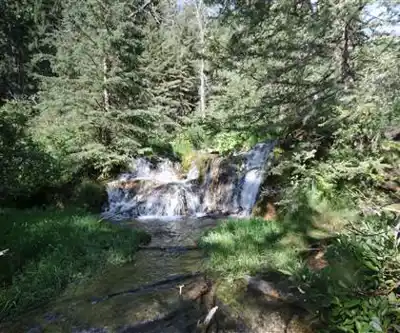
Photos: Thank you for visiting my page from Canada — CC BY 2.0 (Wikimedia Commons)
Trail description
Big Hill Springs Provincial Park sits in the rolling foothills northwest of Calgary, offering one of the most accessible natural escapes in the Canadian Rockies region. This compact park packs remarkable diversity into its boundaries, centered around year-round natural springs that create a unique ecosystem just minutes from urban Alberta.
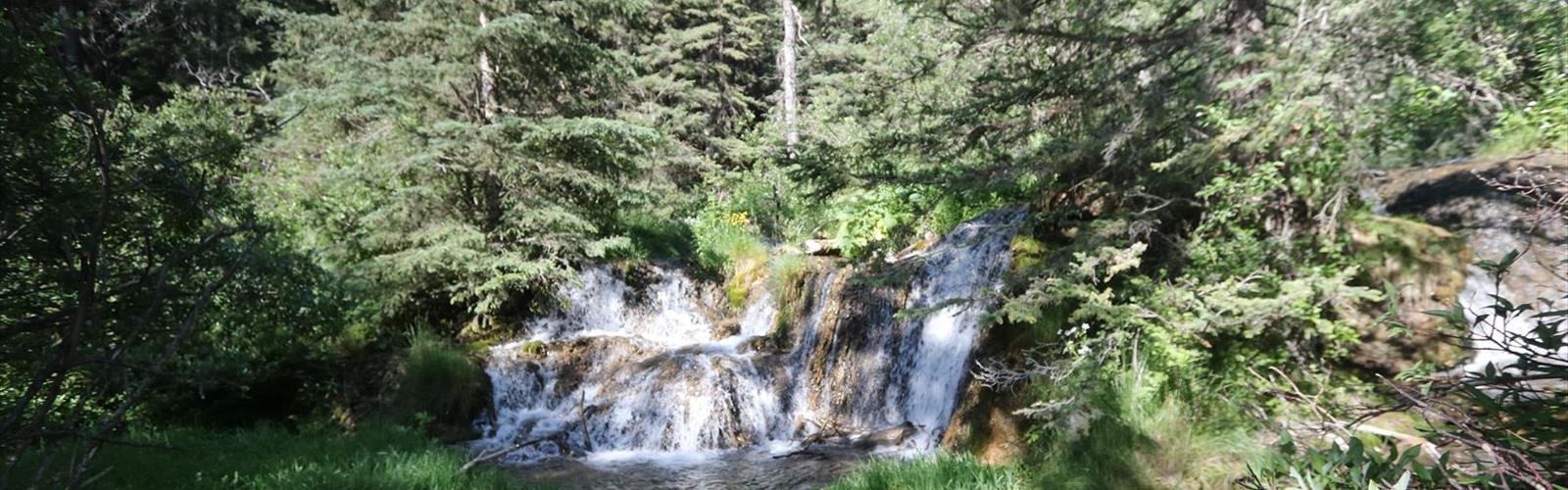
The park's defining feature is its collection of natural springs that bubble up from underground sources, maintaining consistent flow regardless of season. These crystal-clear waters cascade over limestone ledges, creating small waterfalls and pools that remain unfrozen even during Alberta's harsh winters. The constant water flow supports lush vegetation that stays green well into fall, creating an almost tropical microclimate that feels surprisingly out of place in the prairie foothills.
Trail Network and Terrain
The park's well-maintained trail system covers 7 kilometers of diverse terrain, accommodating hikers of all abilities despite the relatively small area. The main trails follow gentle grades with only 50 meters of total elevation gain, making them suitable for families with young children while still offering enough variety to keep experienced hikers engaged during a leisurely outing.
As you explore the network, you'll encounter the unique geological formations that make this area special. The trails lead past exposed limestone outcroppings and sedimentary rock layers that tell the story of ancient seas and geological upheaval. These formations create natural steps and terraces where the spring water flows, forming the cascading waterfalls that are among the park's most photographed features.
The terrain varies from open meadows with expansive views of the surrounding foothills to more intimate forested sections where the canopy creates dappled light patterns on the trail. The modest elevation changes make this an ideal destination for those seeking natural beauty without strenuous climbing, with most visitors completing the full trail system in about 2 hours and 15 minutes at a comfortable pace.
The Hiking Experience
Starting from the main trailhead, you'll immediately notice the sound of flowing water that serves as a constant companion throughout your hike. The well-marked paths guide you through distinct zones, each offering its own character and rewards. Early sections wind through prairie grassland where you can appreciate the broader landscape context before descending toward the spring-fed areas.
The transition from dry prairie to lush spring environment happens gradually, creating anticipation as the vegetation becomes increasingly dense and the sound of water grows stronger. When you reach the main spring area, the contrast is striking – suddenly you're surrounded by verdant growth and the musical sound of water cascading over rock formations.
The trail system includes several viewpoints where you can pause to appreciate both the immediate water features and the broader foothills landscape. These spots are strategically positioned to showcase the park's dual nature – the intimate beauty of the springs and the expansive character of Alberta's foothill country.
Wildlife and Natural Features
The consistent water source and diverse plant life create habitat for an impressive variety of wildlife considering the park's proximity to Calgary. White-tailed deer are commonly spotted, particularly in early morning or evening hours when they come to drink from the springs. The area supports numerous bird species, from common songbirds to occasional raptors hunting in the open meadows.
Small mammals including ground squirrels and chipmunks are frequently seen along the trails, while the spring-fed areas attract various amphibians and insects that thrive in the moist environment. The contrast between the dry prairie landscape and the lush spring-fed zones creates distinct ecological niches within a small area.
The plant life ranges from typical prairie grasses and wildflowers in the drier sections to moisture-loving species near the springs. During peak growing season, wildflowers create colorful displays that change throughout the hiking season, with different species blooming from early spring through late summer.
Photography and Scenic Opportunities
Big Hill Springs offers exceptional photographic opportunities year-round, with the springs providing particularly striking subjects during winter when ice formations frame the flowing water. The waterfalls create natural focal points, while the surrounding landscape provides context that captures the unique character of Alberta's foothills.
The interplay between water, rock, and vegetation creates compositions that work well for both wide landscape shots and intimate nature photography. The changing light throughout the day transforms the appearance of the limestone formations and water features, with golden hour providing especially warm tones on the rock faces.
Wildflower photography is particularly rewarding during peak bloom periods, when the meadows burst with color against the backdrop of the distant Rocky Mountains. The springs themselves offer reflection opportunities, while the geological features provide interesting textures and patterns for close-up work.
Practical Considerations
The park's location makes it easily accessible for day trips from Calgary, requiring only a short drive to reach this natural oasis. Picnic areas are strategically located to take advantage of scenic views while providing convenient spots for breaks during your exploration.
When planning your visit, pack water and snacks as you would for any outdoor excursion, even though the trails are relatively short and easy. Comfortable walking shoes with good traction are recommended, as some areas near the springs can be slippery, particularly when wet or during winter conditions.
The park's compact size means you can easily explore multiple trail options in a single visit, allowing you to experience the full range of environments from prairie grassland to spring-fed oases. The well-maintained trail system makes navigation straightforward, while interpretive opportunities along the way help visitors understand the unique geological and ecological processes that create this special landscape.
Big Hill Springs Provincial Park demonstrates that remarkable natural experiences don't always require long drives or challenging hikes, offering a perfect example of the hidden gems that exist within easy reach of Alberta's urban centers.
The Essential Hiking Checklist
Everything you need for your next hike. Bilingual, printable, 1 page.
Get your free hiking checklistRecommended gear for this trail
As an Amazon Associate I earn from qualifying purchases.


Ready to go?
Everything you need to know before you goStarting Point
The easiest way to get to the start of the trails at the big hill springs provincial park is to drive west on Highway 22 from Calgary. The park is located about 30 minutes from Calgary.
When?
How much?
As an Amazon Associate I earn from qualifying purchases.
Affiliate links — LGPO may earn a commission at no extra cost to you.
- Hiking shoes Essential
- → Salomon Elixir Tour Mid WP · 203.38 $
- Layered clothing Essential
- Rain jacket Essential
- Trekking poles
- → Black Diamond Trail Ergo Cork · 69.99 $
- Headlamp
- → Petzl Actik Core 625 · 103.95 $
FAQ - Frequently asked questions
Everything you need to knowSimilar hikes nearby
Discover other trails you might enjoy
Auburn Bay Lake
Calgary & Area
Douglas Fir Trail E
Calgary & Area
Mount Douglas Park
Calgary & Area
Mt Lorette Ponds
Calgary & Area
Yamnuska Ridge & CMC Valley Trailhead
Calgary & Area
River Park Off Leash Dog Park
Calgary & Area
Hiking near Airdrie
90 trails to explore ~26 km away
We work hard to provide the most up-to-date and error-free data possible. If something seems incorrect, let us know! Your contribution helps the whole community.
Hikers' opinions
Be the first to review!
No hiker has shared their experience yet. Share your impressions and help other hikers!