


Ready to explore Blackfoot Trail SE? Here's everything you need to know before you go!
Discover the trail
Oh no! We don't have any photos 😢
This trail hasn't been captured yet. Be the first to share your adventure!Trail description
Blackfoot Trail SE winds through the heart of the Canadian Rockies, delivering exactly what hikers seek in this legendary mountain range: pristine wilderness, manageable challenges, and views that justify every step. This 10-kilometer round trip trail strikes an ideal balance between accessibility and adventure, making it a standout choice whether you're testing your legs after a long winter or introducing friends to serious mountain hiking.
The trail's moderate difficulty rating reflects its honest approach to mountain terrain. You'll gain around 300 meters of elevation over the course of your hike, but the ascent unfolds gradually rather than punishing you with relentless switchbacks. This thoughtful grade allows you to settle into a comfortable rhythm while still delivering that satisfying sense of earning your views.
What Makes This Trail Special
From the moment you step onto the path, Blackfoot Trail SE showcases the Canadian Rockies' incredible diversity. The trail begins by threading through dense forest where towering conifers create a natural cathedral overhead. Sunlight filters through the canopy in shifting patterns, and the forest floor springs to life with seasonal wildflowers that add splashes of color against the deep greens.
As you progress, crystal-clear streams cross your path, their cold mountain water providing both refreshing sounds and opportunities to refill water bottles if you're carrying purification tablets. These waterways carve small valleys and create micro-ecosystems where different plant communities thrive, adding visual interest and natural rest stops to your journey.
The terrain variety keeps the hiking experience engaging throughout. You'll navigate through mixed forest sections, cross open meadows where the mountain views begin to open up, and traverse rocky sections that hint at the geological forces that shaped this landscape. Each terrain change brings new perspectives and photo opportunities, ensuring the trail never feels monotonous despite its moderate length.
Wildlife and Natural Features
The Canadian Rockies' reputation for wildlife encounters holds true on Blackfoot Trail SE. Deer are common sightings, often grazing in the meadow sections during early morning or late afternoon hours. Elk frequent the area as well, their impressive size and majestic antlers making for memorable encounters when spotted from a respectful distance.
Bear activity occurs in this region, which adds both excitement and responsibility to your hiking experience. Black bears and grizzlies both inhabit these mountains, making bear awareness essential. The varied habitat along the trail – from berry-rich forest understory to open grazing areas – provides ideal bear country, so proper food storage and noise-making become important safety practices.
The panoramic vistas that unfold as you gain elevation showcase the Canadian Rockies' dramatic scale. Jagged peaks stretch across the horizon, their snow-capped summits creating stark contrasts against deep blue skies. These viewpoints provide natural destinations and rest stops, giving you time to appreciate the landscape's grandeur while catching your breath.
Seasonal Considerations and Timing
Late spring through early fall represents the optimal hiking window for Blackfoot Trail SE. This timing aligns with snow melt in the higher elevations and the emergence of wildflower displays that transform the trail into a natural garden. Spring hiking brings the excitement of waterfalls at peak flow and fresh green growth, though trail conditions can be muddy as winter snow melts away.
Summer offers the most reliable trail conditions and longest daylight hours, making it ideal for photographers seeking that perfect golden hour lighting on the mountain peaks. The wildflower displays typically peak in mid to late summer, creating natural color palettes that complement the rocky mountain backdrop.
Early fall hiking rewards visitors with changing aspen leaves and crisp mountain air, though weather can become unpredictable. The reduced crowds during shoulder seasons often mean more wildlife sightings and a greater sense of wilderness solitude.
Practical Preparation
Sturdy hiking boots prove essential on Blackfoot Trail SE's varied terrain. Rocky sections, stream crossings, and potentially muddy forest floor conditions all demand footwear that provides both traction and ankle support. The moderate difficulty rating shouldn't fool you into underestimating proper footwear – mountain terrain punishes poor shoe choices quickly.
Water requirements exceed typical day hike needs due to the mountain environment's dehydrating effects. Carry more water than you think necessary, especially during summer months when temperatures can climb and shade becomes precious. The crystal-clear streams along the route offer refill opportunities if you carry proper purification methods.
Weather-appropriate clothing becomes crucial in mountain environments where conditions change rapidly. Layer systems work best, allowing you to adjust as you warm up during climbs or cool down during rest stops. Even summer hiking can encounter sudden temperature drops, especially if clouds move in or wind picks up at exposed viewpoints.
Camera equipment deserves special consideration on this trail. The combination of forest scenes, wildlife opportunities, and panoramic mountain vistas creates diverse photographic challenges. Extra batteries perform poorly in cold mountain air, so keep spares warm in inside pockets.
Safety and Environmental Responsibility
Mountain hiking demands respect for both personal safety and environmental preservation. Hiking with companions or informing others of your detailed plans becomes especially important in wilderness areas where cell phone coverage may be spotty and help could be hours away.
Weather awareness takes on heightened importance in mountain environments where conditions change faster than in lower elevations. Clear morning skies can give way to afternoon thunderstorms, and temperature swings can catch unprepared hikers off guard.
Leave No Trace principles protect the pristine environment that makes Blackfoot Trail SE special. Pack out all trash, stay on marked trails to prevent erosion and habitat damage, and maintain respectful distances from wildlife. These practices ensure future hikers can enjoy the same unspoiled experience.
The trail's location within the Canadian Rockies means you're hiking through fragile alpine and subalpine ecosystems that recover slowly from damage. Sticking to established paths protects these delicate environments while also providing the safest and most enjoyable hiking experience.
Recommended gear for this trail
As an Amazon Associate I earn from qualifying purchases.


Ready to go?
Everything you need to know before you goStarting Point
The blackfoot trail se is located in the province of Alberta. To get to the start of the trails, take the Trans-Canada Highway (Highway 1) to Calgary. From there, take the Deerfoot Trail (Highway 2) south to the blackfoot trail se exit.
When?
How much?
As an Amazon Associate I earn from qualifying purchases.
Affiliate links — LGPO may earn a commission at no extra cost to you.
- Hiking shoes Essential
- → Salomon Elixir Tour Mid WP · 203.38 $
- Layered clothing Essential
- Rain jacket Essential
- Trekking poles
- → Black Diamond Trail Ergo Cork · 69.99 $
- Headlamp
- → Petzl Actik Core 625 · 103.95 $
FAQ - Frequently asked questions
Everything you need to know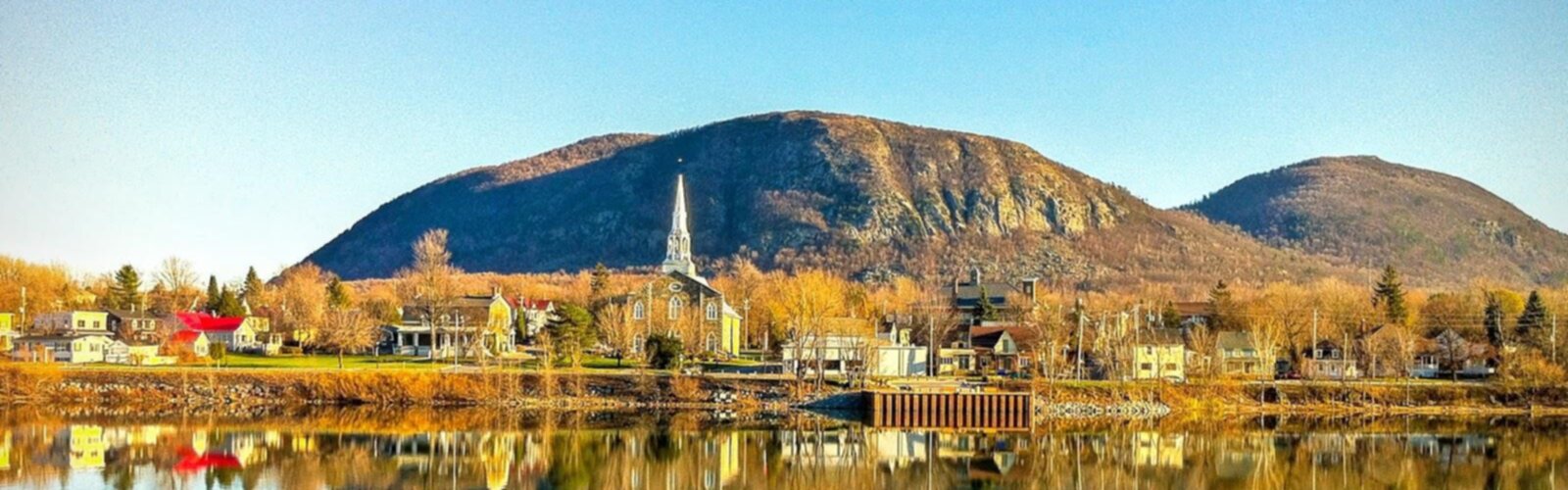
25 hikes under 2 hours from Montreal
Distance, elevation, parking and season for each one. The ones we go back to ourselves.
Get the guideSimilar hikes nearby
Discover other trails you might enjoy
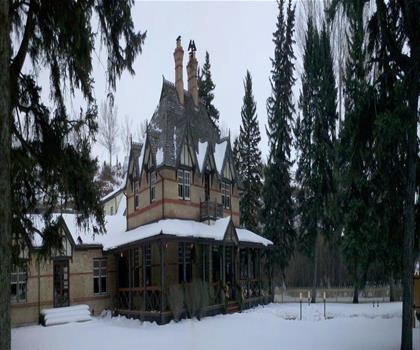
Auburn Bay Lake
Calgary & Area
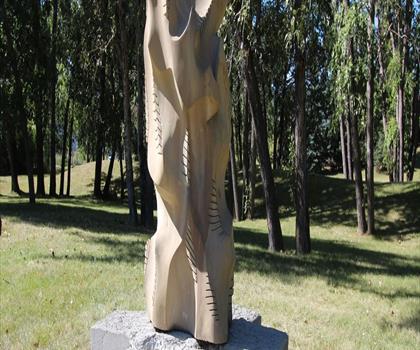
Douglas Fir Trail E
Calgary & Area
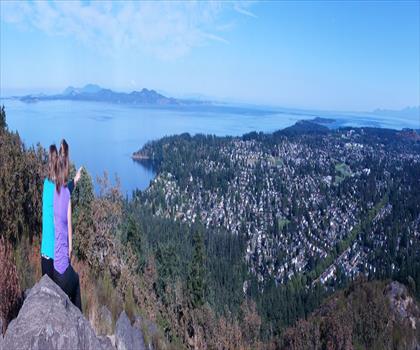
Mount Douglas Park
Calgary & Area
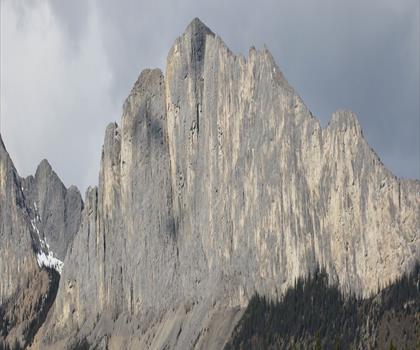
Yamnuska Ridge & CMC Valley Trailhead
Calgary & Area
River Park Off Leash Dog Park
Calgary & Area
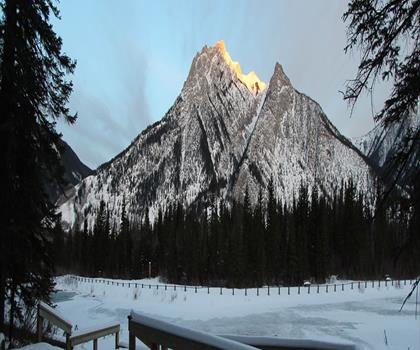
Mt Lorette Ponds
Calgary & Area
Hiking near Calgary
120 trails to explore ~5 km away
We work hard to provide the most up-to-date and error-free data possible. If something seems incorrect, let us know! Your contribution helps the whole community.
Hikers' opinions
Be the first to review!
No hiker has shared their experience yet. Share your impressions and help other hikers!