


Ready to explore North Glenmore Park? Here's everything you need to know before you go!
Discover the trail
Trail description
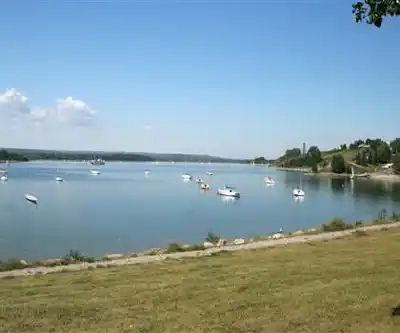
North Glenmore Park sits on Calgary's southwest edge, where the city gives way to open water, forested hillsides, and unobstructed views of the Canadian Rockies. Built around the Glenmore Reservoir — Calgary's primary drinking water source — the park manages to feel genuinely removed from the urban grid despite being minutes from major roads. That combination of accessibility and natural character is what keeps people coming back.
The full trail network here covers 16.9 km with 150 m of elevation gain, rated Hard with an estimated completion time of 6 hours 30 minutes. That difficulty rating reflects the cumulative distance and the more rugged sections rather than any single brutal climb — this is a park that earns its rating through sustained effort over varied terrain.
Trail Network and Terrain
The park offers two distinct trail experiences that feel almost like separate places. The main pathway hugs the reservoir's perimeter on a paved, flat surface — wide enough for cyclists, joggers, strollers, and anyone who just wants a scenic walk without worrying about footing. The water is consistently visible along this route, and on clear days the Rockies form a sharp silhouette to the west.
The more interesting hiking happens when you leave the pavement. Unpaved trails branch into the surrounding hills and forested areas, climbing through dense stands of aspen and spruce. The terrain shifts noticeably here — root-crossed paths, small creek crossings, steeper grades, and the occasional ridgeline that opens up views over both the reservoir and Calgary's skyline. These sections are where the park's Hard rating starts to make sense, especially when you factor in the total distance.
The forested trails connect to form longer loop options, which is how most hikers end up covering the full 16.9 km. The canopy provides real shade during summer heat, and the varied topography — small valleys, clearings, exposed ridges — keeps the route from feeling repetitive. The transition between open reservoir shoreline and dense forest happens multiple times throughout the route, which works in the park's favor.
Wildlife and Natural Features
The mix of water, grassland, and forest creates genuinely productive wildlife habitat. Waterfowl are the most reliable sighting along the reservoir — great blue herons, Canada geese, and various duck species are common throughout the warmer months, with spring and fall migration bringing higher concentrations. The forested sections support deer, coyotes, and a solid variety of songbirds and raptors. Early morning hours give you the best odds for most species.
The open grassland areas near the water's edge are worth slowing down for — ground squirrels and rabbits are frequently visible, and the forest edges attract birds that prefer that transitional habitat. Beaver activity shows up along quieter stretches of shoreline if you're paying attention. The reservoir's protected status as a water supply keeps human pressure relatively low in certain areas, which benefits wildlife overall.
Seasonal Conditions
Spring brings wildflower blooms in the grassland sections and noticeably active wildlife as the park comes back to life. The unpaved trails can get muddy during snowmelt — the forested sections hold moisture longer than the open areas, so expect soft footing into late spring some years.
Summer is peak season for the full trail experience. The paved pathway gets busy with cyclists and joggers, particularly on weekends, while the natural trails stay comparatively quiet. Water activities on the reservoir — canoeing and kayaking — are popular during this period, with designated launch areas in place to protect water quality.
Fall is arguably the park's best season for hiking. The aspen groves turn gold, the temperatures drop into comfortable hiking range, and the light on the reservoir during morning and evening hours makes for exceptional photography. Wildlife activity picks up as animals move more actively before winter.
Winter keeps the main paved pathway accessible through regular maintenance. The natural trails are skiable and snowshoeable when conditions cooperate. The reservoir may partially freeze, changing the visual character of the park significantly — but ice safety should never be assumed regardless of how solid it looks.
Facilities and Practical Information
Multiple parking areas serve different sections of the park, with the largest lots near the main facilities and playground areas. On good-weather weekends, these fill up faster than most people expect — arriving early or using alternative access points with a slightly longer walk to the trailhead is worth considering.
Restrooms are available near major parking areas and select picnic sites. Water fountains are positioned along the main paved pathway, but anyone heading onto the natural trails for the full route should carry their own water supply rather than relying on finding a fountain mid-hike.
Playground areas are distributed near parking zones along the main pathway, with modern equipment suited to different age groups. Picnic areas with tables, benches, and some covered shelters are positioned throughout the park, generally with good views and convenient parking access.
Rules and Regulations
The reservoir's role as Calgary's drinking water supply comes with real restrictions that visitors need to respect. Swimming in the reservoir is prohibited. Visitors must stay on designated trails and areas. All watercraft must be cleaned before entering the water. Dogs are welcome throughout the park but must remain on leash at all times, and owners are expected to clean up — water quality protection is the reason, and it's enforced accordingly.
The paved pathway connects into Calgary's broader cycling network, making the park a natural stop on longer urban rides. The pathway width accommodates both cyclists and pedestrians, though busy periods call for awareness of trail etiquette on both sides.
Recommended gear for this trail
As an Amazon Associate I earn from qualifying purchases.


Ready to go?
Everything you need to know before you goStarting Point
The start of the trails at the north glenmore park in Alberta can be accessed from the parking lot located off of 37th Street SW.
When?
How much?
As an Amazon Associate I earn from qualifying purchases.
Affiliate links — LGPO may earn a commission at no extra cost to you.
- Hiking shoes Essential
- → Salomon Elixir Tour Mid WP · 203.38 $
- Layered clothing Essential
- Rain jacket Essential
- Trekking poles
- → Black Diamond Trail Ergo Cork · 69.99 $
- Headlamp
- → Petzl Actik Core 625 · 103.95 $
FAQ - Frequently asked questions
Everything you need to know
25 hikes under 2 hours from Montreal
Distance, elevation, parking and season for each one. The ones we go back to ourselves.
Get the guideSimilar hikes nearby
Discover other trails you might enjoy
Auburn Bay Lake
Calgary & Area
Douglas Fir Trail E
Calgary & Area
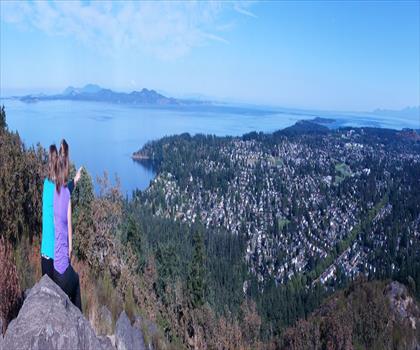
Mount Douglas Park
Calgary & Area
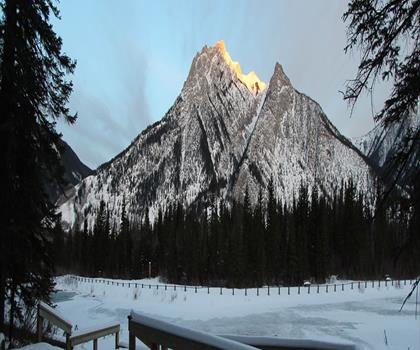
Mt Lorette Ponds
Calgary & Area
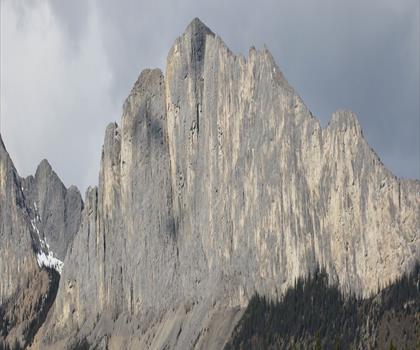
Yamnuska Ridge & CMC Valley Trailhead
Calgary & Area
River Park Off Leash Dog Park
Calgary & Area
Hiking near Calgary
120 trails to explore ~7 km away
We work hard to provide the most up-to-date and error-free data possible. If something seems incorrect, let us know! Your contribution helps the whole community.
Hikers' opinions
Be the first to review!
No hiker has shared their experience yet. Share your impressions and help other hikers!