
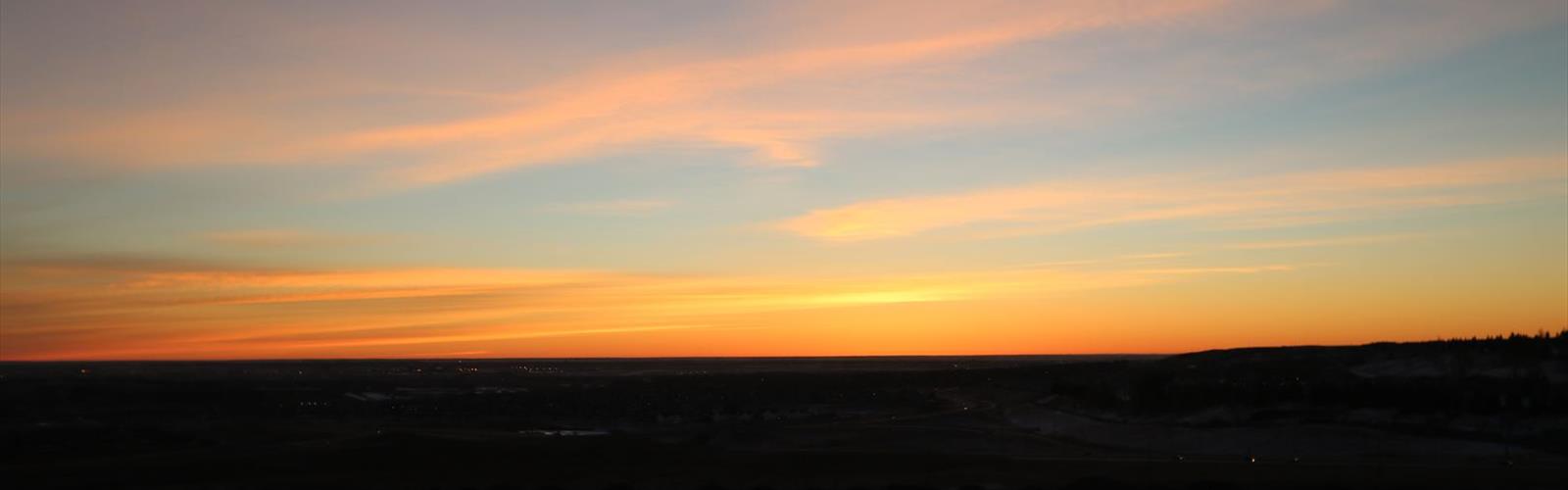

Ready to explore Sage Hill Park? Here's everything you need to know before you go!
Discover the trail
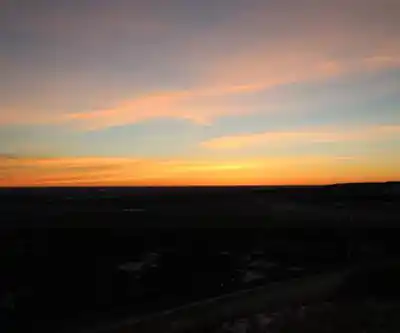
Photos: Thank you for visiting my page from Canada — CC BY 2.0 (Wikimedia Commons)
Trail description
Sage Hill Park is a neighbourhood park located in the Sage Hill community in northwest Calgary, Alberta. With a loop distance of around 3.2 km and minimal elevation change, it's a solid option for a casual outing — the kind of place you head to after work, on a weekend morning with the dog, or when you want to stretch your legs without committing to a full-day adventure. Most people complete the route in about an hour and fifteen minutes at a comfortable pace.
The trail is rated easy, which makes it genuinely accessible for a wide range of people — families with kids, older adults, and anyone easing back into regular activity. The terrain is relatively flat and well-maintained, so you're not dealing with technical footing or significant climbs. That said, it's still an outdoor experience worth showing up for, not just a sidewalk loop.
What the Trail Feels Like
Sage Hill Park sits within Calgary's northwest edge, where the city starts to give way to open prairie and the sky opens up considerably. The park has that characteristic Alberta feel — big views, dry air, and a landscape shaped more by wind and grassland than by dense forest. Depending on the season, you'll notice the scrubby vegetation and native grasses that give the area its name, along with the kind of wide-open sightlines that make even a short walk feel spacious.
The trail surface is generally easy to navigate, making it a good choice year-round when conditions allow. In spring, the ground can get soft after snowmelt, so waterproof footwear is a smart call. Summer mornings are ideal — cooler temperatures and good light before the afternoon heat sets in. Fall brings that crisp Calgary air and the golden tones of the surrounding vegetation, which makes the loop particularly pleasant.
Who It's Good For
This is a great entry-level trail for people who are new to hiking or returning after a break. The 3.2 km distance and easy rating mean you can enjoy the outdoors without needing to prepare like you're heading into the backcountry. Bring water, wear comfortable shoes, and you're set.
It's also a reliable option for:
- Families with young children who need a manageable distance
- Dog walkers looking for a dedicated green space
- Runners and walkers who want a quick outdoor loop close to the northwest Calgary communities
- Visitors to Calgary who want a taste of the local landscape without driving far
Getting There and Parking
Sage Hill Park is located in the Sage Hill neighbourhood in northwest Calgary. As a community park within the city, it's easily accessible by car, and street parking is typically available near the park entrances. The area is also reachable by transit for those coming from other parts of Calgary.
A Few Things to Keep in Mind
Even on an easy urban trail, a few basics go a long way. Bring water, especially in summer when Calgary's sun can be intense even on short outings. If you're going early in the morning or later in the evening, layers are a good idea — Calgary temperatures can shift quickly, particularly in spring and fall.
Because this is a neighbourhood park within city limits, it sees regular use from the local community. Expect to share the trail with other walkers, joggers, and families. Keep dogs leashed where required and be mindful of other users on the path.
For a short, accessible loop in northwest Calgary, Sage Hill Park delivers a pleasant outdoor experience without any of the logistical overhead of a bigger trail — just show up and walk.
The Essential Hiking Checklist
Everything you need for your next hike. Bilingual, printable, 1 page.
Get your free hiking checklistRecommended gear for this trail
As an Amazon Associate I earn from qualifying purchases.


Ready to go?
Everything you need to know before you goStarting Point
The start of the trails at the sage hill park in Alberta can be accessed by travelling north on Highway 2 and taking the exit for Highway 22. The park is located just off of the highway.
When?
How much?
As an Amazon Associate I earn from qualifying purchases.
Affiliate links — LGPO may earn a commission at no extra cost to you.
- Hiking shoes Essential
- → Salomon Elixir Tour Mid WP · 203.38 $
- Layered clothing Essential
- Rain jacket Essential
- Trekking poles
- → Black Diamond Trail Ergo Cork · 69.99 $
- Headlamp
- → Petzl Actik Core 625 · 103.95 $
FAQ - Frequently asked questions
Everything you need to knowSimilar hikes nearby
Discover other trails you might enjoy
Auburn Bay Lake
Calgary & Area
Douglas Fir Trail E
Calgary & Area
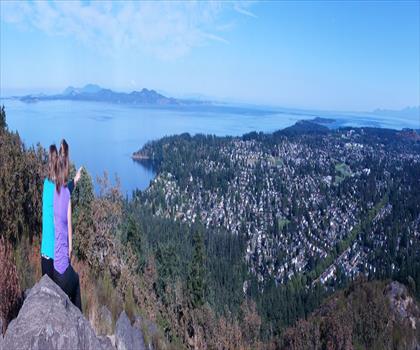
Mount Douglas Park
Calgary & Area
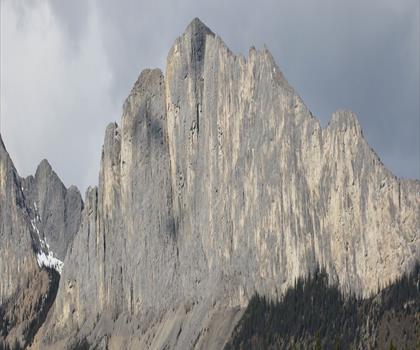
Yamnuska Ridge & CMC Valley Trailhead
Calgary & Area
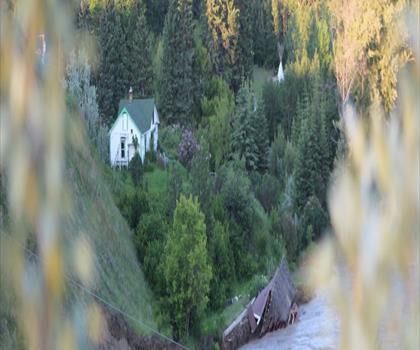
River Park Off Leash Dog Park
Calgary & Area
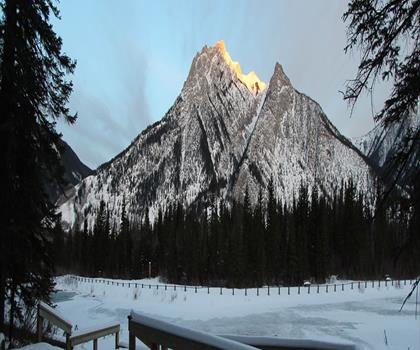
Mt Lorette Ponds
Calgary & Area
Hiking near Airdrie
90 trails to explore ~15 km away
We work hard to provide the most up-to-date and error-free data possible. If something seems incorrect, let us know! Your contribution helps the whole community.
Hikers' opinions
Be the first to review!
No hiker has shared their experience yet. Share your impressions and help other hikers!