


Ready to explore Bluerock Wildland Provincial Park? Here's everything you need to know before you go!
Discover the trail
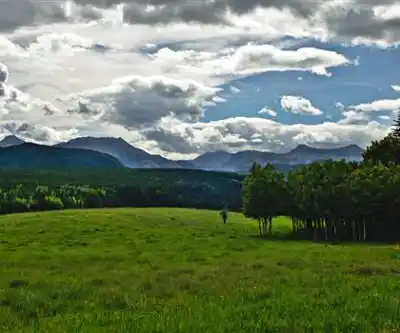
Trail description
Bluerock Wildland Provincial Park covers more than 20,000 hectares of rugged foothills terrain in Alberta, offering hikers a genuine wilderness experience that's increasingly hard to come by. This isn't a park built around visitor amenities—it's a place where the landscape does the talking, and where you're more likely to share the trail with elk than with other people. That sense of remoteness is exactly what draws hikers here.
The park sits in the transition zone between Alberta's prairies and the high peaks of the Canadian Rockies, and that position shapes everything about the experience. Dense spruce and fir forests give way without warning to open ridgelines with sweeping views. Creek valleys carve deep into the terrain, creating dramatic elevation changes and shifting microclimates within surprisingly short distances. The landscape has a raw, unfinished quality that sets it apart from more developed mountain parks in the region.
Trail Character and Terrain
The Bluerock Creek Trail is the park's most accessible entry point, and it does a good job of introducing you to what makes this area worth the drive. The route moves through dense forest where light filters through the canopy in shifting patterns, following a crystal-clear creek that stays with you for much of the hike. The sound of the water changes as you move deeper into the drainage—gentle and steady in the lower sections, more forceful where the gradient picks up.
The trail crosses the creek multiple times, so expect to get your feet wet or spend some time looking for the best line across. After heavy rain or during spring runoff, these crossings deserve real attention—what looks manageable can change quickly with higher water levels. Waterproof footwear earns its keep here.
For hikers looking for a more demanding objective, Junction Mountain Trail delivers. The route climbs roughly 500 meters of elevation over approximately 8 kilometers, with an estimated time of around 3 hours and 15 minutes for most hikers moving at a steady pace. The climb works through multiple vegetation zones—you start in the valley forest and gradually emerge onto more open slopes where the surrounding landscape starts to open up around you.
The summit of Junction Mountain puts you above the treeline with views that stretch east toward the prairie and west toward the peaks along the Continental Divide. It's one of those vantage points that makes the effort feel well-spent—you can see exactly how the foothills function as a bridge between two very different worlds.
Wildlife
The park's mix of habitats supports a solid variety of wildlife, and encounters are a real part of the experience here. Deer and elk are common, especially in the transitional zones between forest and open areas during early morning and evening. The creek systems attract waterfowl and support species that depend on cold, clean mountain water. Forest birds like gray jays and woodpeckers are regulars in the denser sections of trail.
Both black bears and grizzly bears live in this park. That's not a reason to stay home, but it does mean bear awareness needs to be part of your preparation, not an afterthought. Carry bear spray, keep it accessible, and make noise when you're moving through areas with limited sightlines—dense brush, creek bends, anywhere you can't see far ahead. Proper food storage is non-negotiable if you're camping overnight.
Backcountry Camping
Several backcountry camping areas are scattered through the park, giving you the option to turn a day hike into a multi-day trip. These sites are deliberately primitive—no facilities, no services. You'll need to handle your own water treatment, waste management, and weather protection. What you get in return is a level of quiet and solitude that front-country campgrounds simply can't offer.
The night sky out here is worth staying for on its own. Far from urban light pollution, the darkness is genuine, and on a clear night the stars are remarkable. Wildlife activity shifts noticeably after dark, and the sounds of the park change in ways that are hard to appreciate on a day trip.
Leave No Trace practices matter here more than in more managed environments. Camp on durable surfaces, keep your distance from water sources, and pack out everything you brought in. The park's wilderness character depends directly on how visitors treat it.
Getting Ready to Go
Even the more accessible trails in Bluerock Wildland Provincial Park require more preparation than a typical front-country hike. Weather in the foothills can shift fast—layers and rain gear belong in your pack regardless of what the morning forecast says. Navigation skills are worth brushing up on before you go; while the main routes are generally clear, the trail system isn't as heavily signed as more developed parks, and conditions can reduce visibility quickly.
Cell coverage is unreliable throughout the park. Before you leave, tell someone your planned route and when you expect to be back. For longer or more remote trips, a personal locator beacon or satellite communicator is a reasonable addition to your kit. The same remoteness that makes this park feel special also means that if something goes wrong, help isn't close.
Bluerock Wildland Provincial Park rewards hikers who come prepared and leave their expectations of convenience at the trailhead—what you find instead is a stretch of Alberta foothills that still feels genuinely wild.
Recommended gear for this trail
As an Amazon Associate I earn from qualifying purchases.


Ready to go?
Everything you need to know before you goStarting Point
The bluerock wildland provincial park is located in Alberta. To get to the start of the trails, take Highway 22 east from Rocky Mountain House for approximately 60 km. The park is located on the north side of the highway.
When?
How much?
As an Amazon Associate I earn from qualifying purchases.
Affiliate links — LGPO may earn a commission at no extra cost to you.
- Hiking shoes Essential
- → Salomon Elixir Tour Mid WP · 203.38 $
- Layered clothing Essential
- Rain jacket Essential
- Trekking poles
- → Black Diamond Trail Ergo Cork · 69.99 $
- Headlamp
- → Petzl Actik Core 625 · 103.95 $
FAQ - Frequently asked questions
Everything you need to know
25 hikes under 2 hours from Montreal
Distance, elevation, parking and season for each one. The ones we go back to ourselves.
Get the guideSimilar hikes nearby
Discover other trails you might enjoy
Mount Yamnuska
Foothills
Bragg Creek Provincial Park
Foothills

Frank Lake
Foothills
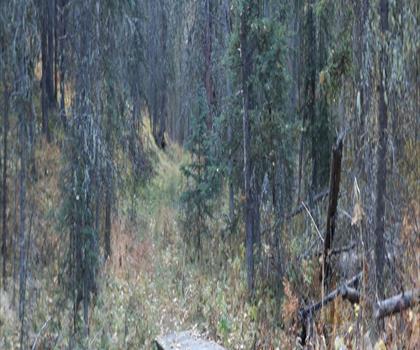
Brown - Lowery Provincial Park
Foothills
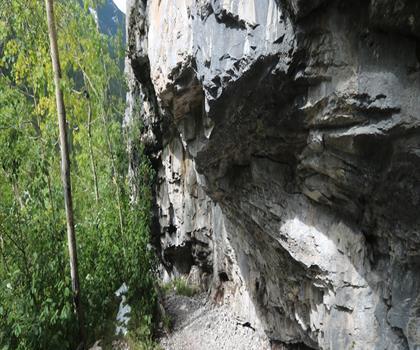
Powderface Creek Trail
Foothills
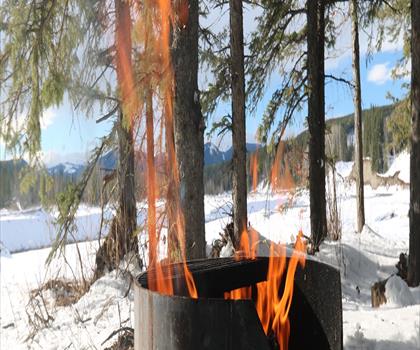
Telephone Loop
Foothills
Hiking near Calgary
120 trails to explore ~55 km away
We work hard to provide the most up-to-date and error-free data possible. If something seems incorrect, let us know! Your contribution helps the whole community.
Hikers' opinions
Be the first to review!
No hiker has shared their experience yet. Share your impressions and help other hikers!