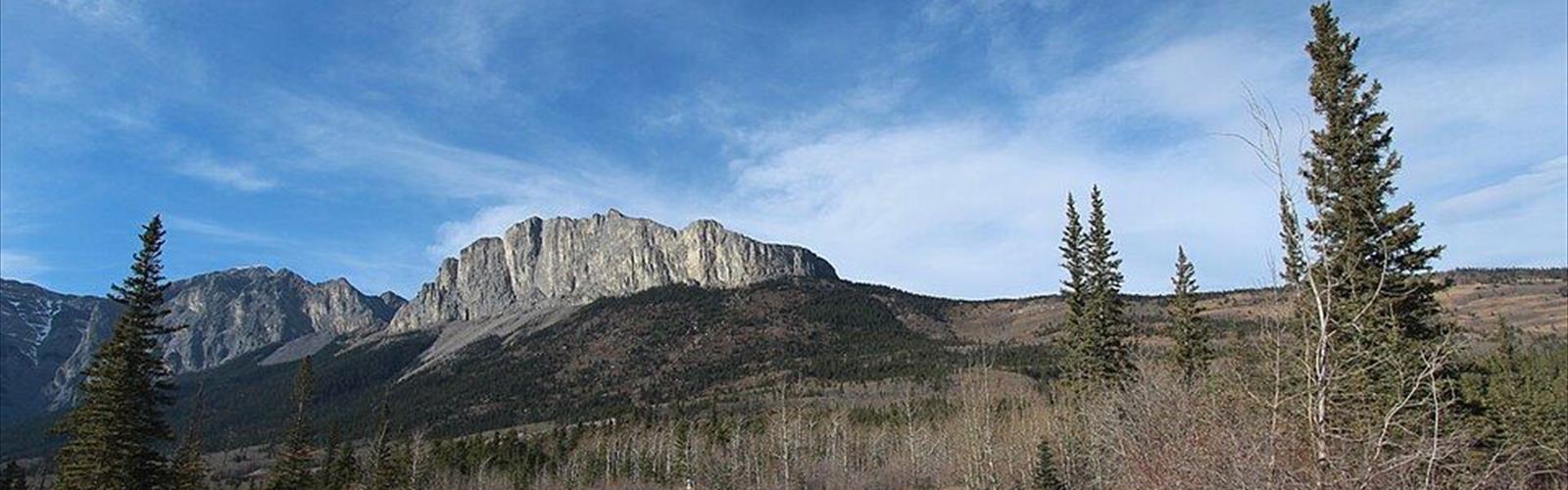
Ready to explore Mount Yamnuska? Here's everything you need to know before you go!
Discover the trail
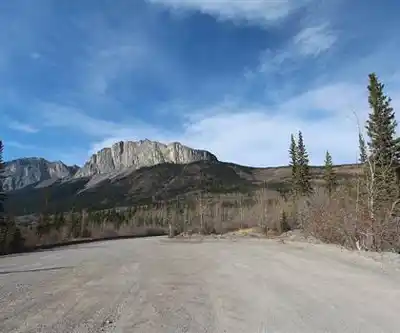
Oh no! We don't have any photos 😢
This trail hasn't been captured yet. Be the first to share your adventure!Trail description
Description
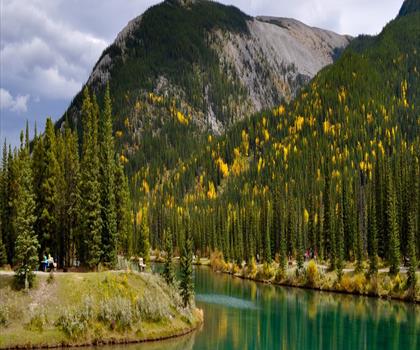
Mount Yamnuska stands as one of Alberta's most recognizable peaks, rising dramatically from the foothills at the eastern edge of the Canadian Rockies. Officially named Mount John Laurie, this limestone giant reaches 2,240 meters (7,349 feet) and serves as a gateway mountain for hikers transitioning from prairie landscapes into true alpine terrain. Its distinctive profile—featuring sheer limestone cliffs on the east face and more gradual slopes on the western approach—makes it instantly recognizable from Highway 1A and the Bow Valley below.
The mountain's accessibility sets it apart from deeper Rockies destinations. Located just off Highway 1A, the trailhead sits roughly an hour's drive from Calgary, making Yamnuska a popular choice for day trips and weekend adventures. This proximity doesn't diminish the mountain's wild character—once you leave the parking area, you're quickly immersed in genuine Rocky Mountain terrain with all the challenges and rewards that entails.
Trail Overview and Terrain
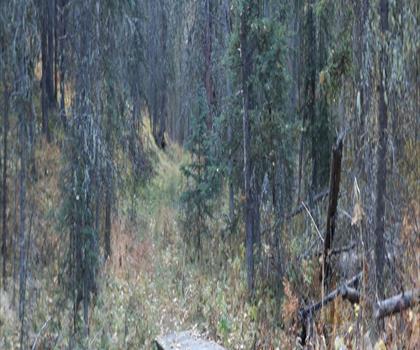
The 5.5-kilometer trail to Mount Yamnuska presents a serious workout with 900 meters of elevation gain packed into a relatively short distance. This creates a consistently steep grade that demands steady pacing and good cardiovascular fitness. The well-marked trail begins in mixed forest, winding through stands of aspen, spruce, and fir that provide welcome shade during summer ascents. Early sections follow a series of switchbacks that gradually gain elevation while offering glimpses of the Bow Valley spreading eastward toward the prairies.
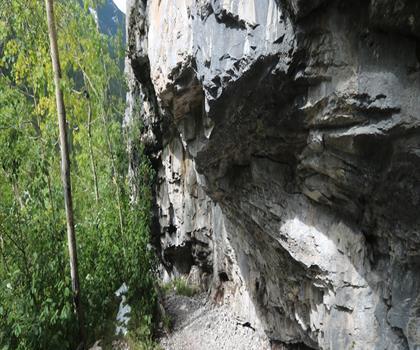
The path is well-maintained but rocky in places, requiring sturdy footwear and attention to foot placement. As you climb higher, the forest opens into wildflower meadows that burst with color during peak summer months. Indian paintbrush, alpine forget-me-nots, and mountain avens create natural gardens against the backdrop of increasingly dramatic rock formations. The terrain becomes more rugged as you approach the upper reaches, with loose scree and exposed limestone requiring careful navigation.
The Hiking Experience
Most hikers find the steady climb challenging but manageable, with the four-hour round trip providing a solid workout without requiring overnight preparation. The trail offers multiple vantage points overlooking the Bow Valley, each revealing new perspectives on the surrounding foothills and distant mountain ranges. Natural rest stops appear frequently enough to catch your breath while taking in the expanding views.
The limestone terrain creates unique hiking conditions compared to other Rocky Mountain trails. The rock provides excellent grip when dry but becomes treacherous when wet, making weather awareness crucial for safety. The alkaline soil supports distinctive plant communities, creating botanical interest for those who appreciate alpine flora adapted to harsh mountain conditions.
Wildlife encounters add excitement to the Yamnuska experience. Black bears, mountain goats, and various smaller mammals inhabit the area, requiring proper food storage and awareness of surroundings. Mountain goats are particularly common on the upper cliffs, often visible from the trail as they navigate seemingly impossible rock faces with casual ease.
The Summit Scramble
For experienced hikers seeking additional challenge, the scramble to Yamnuska's true summit provides an exhilarating finale to the hike. This section departs from the standard hiking trail and requires basic scrambling skills, comfort with exposure, and appropriate gear. The route follows cairns and established paths through increasingly technical terrain, including sections where hands become necessary for balance and progress.
The scramble demands careful attention to weather conditions—wet limestone becomes treacherously slippery, and afternoon thunderstorms pose serious risks on exposed ridges. Only attempt the summit scramble if you have solid scrambling experience and proper equipment including helmet, gloves, and emergency supplies. The technical nature of this section means it's not suitable for novice hikers or those uncomfortable with heights.
Views and Photography
Yamnuska's panoramic views justify its reputation as one of Alberta's premier hiking destinations. From various points along the trail and especially from the summit, hikers enjoy sweeping vistas across the Bow Valley toward Calgary's distant skyline. To the west, the main ranges of the Canadian Rockies create an impressive wall of peaks extending to the horizon. The contrast between prairie landscapes to the east and alpine wilderness to the west makes Yamnuska's perspective unique among Rocky Mountain viewpoints.
The limestone cliffs themselves provide dramatic foreground elements for photography, while the changing light throughout the day creates constantly shifting moods across the valley below. Sunrise and sunset hikes offer particularly spectacular lighting, though early starts or headlamp descents require additional planning and safety considerations.
Seasonal Considerations and Planning
Seasonal timing significantly affects the Yamnuska experience. Summer offers the most reliable weather and longest daylight hours, but also brings crowds and afternoon thunderstorm risks. The trail can become quite busy on weekends, with parking filling early at the trailhead. Fall provides excellent hiking conditions with fewer people and spectacular foliage, though weather becomes less predictable as winter approaches.
Winter and spring conditions require specialized knowledge and equipment, as snow and ice transform the mountain into a technical mountaineering objective. The limestone cliffs become particularly hazardous with ice formation, making the scramble sections extremely dangerous for all but the most experienced winter climbers.
Weather conditions can change rapidly, especially at higher elevations, making layers and rain protection essential regardless of valley conditions. The trailhead's location just off Highway 1A makes access straightforward, though the facility includes basic amenities but no water sources, so carry all necessary supplies for your planned duration on the mountain.
Training and Preparation Value
The mountain's challenging yet accessible character makes it an excellent training ground for hikers preparing for more demanding Rocky Mountain objectives. The combination of sustained elevation gain, varied terrain, and optional technical sections allows hikers to test fitness levels and gear choices in a relatively accessible setting. Many local hikers return to Yamnuska repeatedly, using it as a fitness benchmark and enjoying the familiar yet ever-changing mountain environment that offers something new with each season and weather condition.
Ready to go?
Everything you need to know before you goStarting Point
The mount yamnuska trails can be accessed from the east side of the mountain, near the town of Canmore. There is a parking lot at the trailhead, and the trails are well-marked.
When?
How much?
- Hiking shoes Essential
- Layered clothing Essential
- Rain jacket Essential
- Trekking poles
- Headlamp
FAQ - Frequently asked questions
Everything you need to knowThe Essential Hiking Checklist
Everything you need for your next hike. Bilingual, printable, 1 page.
Download the free checklistSimilar hikes nearby
Discover other trails you might enjoy
Ghost Lake
Foothills
Tent Ridge
Foothills
Sheep River Provincial Park - Kananaskis Country
Foothills
Bluerock Wildland Provincial Park
Foothills
Bow Valley Provincial Park - Kananaskis Country
Foothills
Sheep River Falls
Foothills
Hiking near Canmore
200 trails to explore ~17 km away
We work hard to provide the most up-to-date and error-free data possible. If something seems incorrect, let us know! Your contribution helps the whole community.
Hikers' opinions