


Ready to explore Telephone Loop? Here's everything you need to know before you go!
Discover the trail
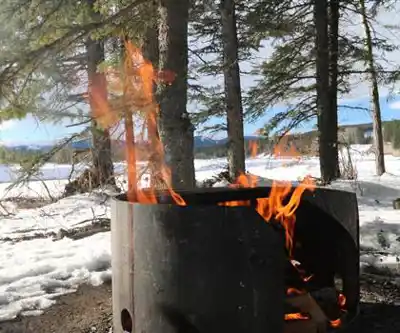
Photos: Thank you for visiting my page from Canada — CC BY 2.0 (Wikimedia Commons)
Trail description
The Telephone Loop is a hiking trail located in the Canadian Rockies of Alberta, Canada. Tucked into one of the most iconic mountain landscapes on the continent, this loop trail offers hikers a chance to experience the raw beauty of the Rockies without committing to a full-day alpine expedition. Whether you're visiting the area for the first time or you're a returning explorer looking for a solid outing, the Telephone Loop delivers a genuine mountain experience.
The Trail Experience
As a loop trail, the Telephone Loop brings you back to your starting point without retracing your steps — one of the most satisfying formats for a hike. You get variety in your scenery and terrain throughout the route, which keeps things interesting from start to finish. The Canadian Rockies setting means you're surrounded by dramatic peaks, dense coniferous forest, and the kind of crisp mountain air that makes every step feel worth it.
The trail winds through classic Rocky Mountain terrain, where towering spruce and fir trees line the path and occasional clearings open up to views of the surrounding ridgelines. The forest floor is rich with undergrowth, and depending on the season, wildflowers can add bursts of colour along the edges of the trail. This is the kind of hike where it pays to slow down and look around — the details are just as rewarding as the big views.
Terrain and Trail Conditions
The Canadian Rockies are known for trails that can shift quickly in character — from well-packed dirt to rocky sections, rooted paths through forest, and areas where the ground stays soft and damp longer into the season due to shade and elevation. The Telephone Loop is no exception to this regional character. Hikers should come prepared with footwear that handles uneven terrain comfortably, as the rocky and rooted sections of the path require a bit of attention underfoot.
Trail conditions in the Canadian Rockies can also change significantly with the seasons. Snow can linger well into spring at higher elevations, and early-season hikers may encounter wet or muddy sections. Trekking poles are a useful addition for anyone who wants extra stability, particularly on any inclined or descending portions of the loop.
Wildlife and Nature
Hiking in the Canadian Rockies means sharing the landscape with a remarkable range of wildlife. The forests and meadows along the Telephone Loop are part of a broader ecosystem that supports species like elk, mule deer, and a variety of bird life including Clark's nutcracker and various woodpecker species. Smaller mammals such as squirrels and pikas are commonly spotted along Rocky Mountain trails, often heard before they're seen.
As with any trail in this region, it's important to be bear aware. Black bears and grizzly bears are present in the Canadian Rockies, and carrying bear spray and making noise on the trail are standard practices. Hiking in a group and staying alert — especially in areas with dense vegetation or near berry patches — is always the smart approach.
What Makes the Telephone Loop Stand Out
In a region as trail-rich as the Canadian Rockies, what sets a particular route apart often comes down to its character and accessibility. The loop format of the Telephone Loop is a genuine advantage — it's a more satisfying structure than an out-and-back, and it allows hikers to experience a greater variety of the surrounding landscape in a single outing. For visitors to the Canadian Rockies who want to get off the most heavily trafficked routes and onto something with a bit more personality, this trail fits the bill.
The name itself — Telephone Loop — hints at a layer of local history embedded in the landscape. Many trails in the Canadian Rockies follow old routes used for resource management, communication lines, or early park operations, and names like this one often reflect that working history of the land. It's a reminder that these mountains have been navigated and managed by people for generations, long before recreational hiking became the primary reason to lace up your boots.
Getting There and Practical Info
The Telephone Loop is situated within the Canadian Rockies of Alberta. As with most trails in this part of Alberta, access typically involves driving into the mountain corridor and following signage to the appropriate trailhead. It's worth confirming current trail access and any applicable park fees before heading out, as many areas within the Canadian Rockies fall under Parks Canada jurisdiction and may require a valid park pass.
Parking availability at trailheads in the Canadian Rockies can vary significantly depending on the time of year and day of the week. Summer weekends in particular tend to see high visitor volumes across the region, so arriving early in the morning is a reliable strategy for securing a spot and enjoying a quieter experience on the trail.
Tips Before You Go
- Check current conditions: Trail conditions in the Canadian Rockies can change quickly. Check with Parks Canada or local trail reporting sources before your visit, especially in spring and early summer.
- Carry bear spray: This is standard practice for hiking in Alberta's mountain parks. Know how to use it before you hit the trail.
- Dress in layers: Mountain weather in the Canadian Rockies is unpredictable. Even on a warm day, temperatures can drop quickly if clouds roll in or you gain elevation.
- Bring enough water: Hydration is important at any elevation. Don't rely on finding water sources along the trail without confirming they're available and safe.
- Leave No Trace: Pack out everything you bring in. The Canadian Rockies are a protected landscape, and keeping trails clean is everyone's responsibility.
- Start early: Morning hikes in the Rockies tend to offer calmer weather, better wildlife sightings, and fewer crowds on the trail.
Who This Trail Is For
The Telephone Loop suits hikers who want a genuine Canadian Rockies experience without necessarily tackling a demanding alpine route. It's a solid choice for those who are comfortable on natural terrain and want to spend meaningful time in the forest and mountain environment that defines this part of Alberta. Families with older children, casual hikers building their mountain experience, and visitors to the Canadian Rockies looking to explore beyond the most well-known corridors will all find something to appreciate here.
Recommended gear for this trail
As an Amazon Associate I earn from qualifying purchases.


Ready to go?
Everything you need to know before you goWhen?
How much?
As an Amazon Associate I earn from qualifying purchases.
Affiliate links — LGPO may earn a commission at no extra cost to you.
- Hiking shoes Essential
- → Salomon Elixir Tour Mid WP · 203.38 $
- Layered clothing Essential
- Rain jacket Essential
- Trekking poles
- → Black Diamond Trail Ergo Cork · 69.99 $
- Headlamp
- → Petzl Actik Core 625 · 103.95 $
FAQ - Frequently asked questions
Everything you need to know
25 hikes under 2 hours from Montreal
Distance, elevation, parking and season for each one. The ones we go back to ourselves.
Get the guideSimilar hikes nearby
Discover other trails you might enjoy
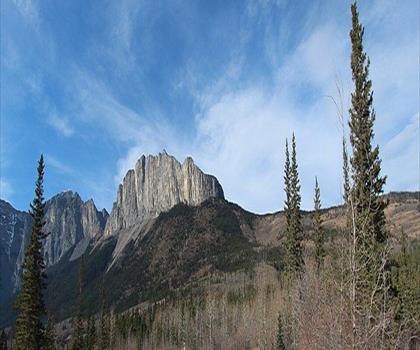
Mount Yamnuska
Foothills
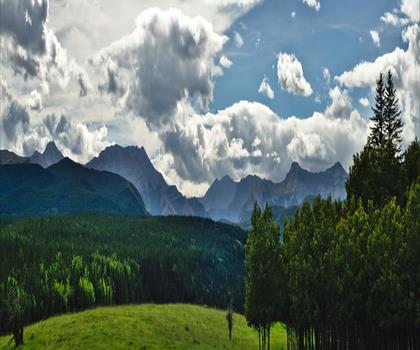
Bluerock Wildland Provincial Park
Foothills
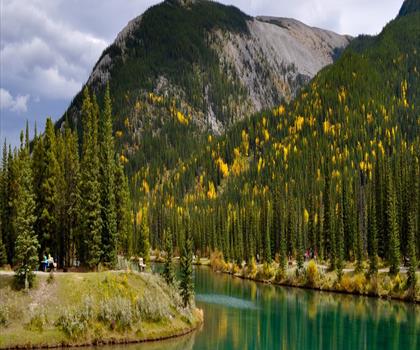
Bragg Creek Provincial Park
Foothills

Frank Lake
Foothills
Brown - Lowery Provincial Park
Foothills
Powderface Creek Trail
Foothills
Hiking near Calgary
120 trails to explore ~45 km away
We work hard to provide the most up-to-date and error-free data possible. If something seems incorrect, let us know! Your contribution helps the whole community.
Hikers' opinions
Be the first to review!
No hiker has shared their experience yet. Share your impressions and help other hikers!