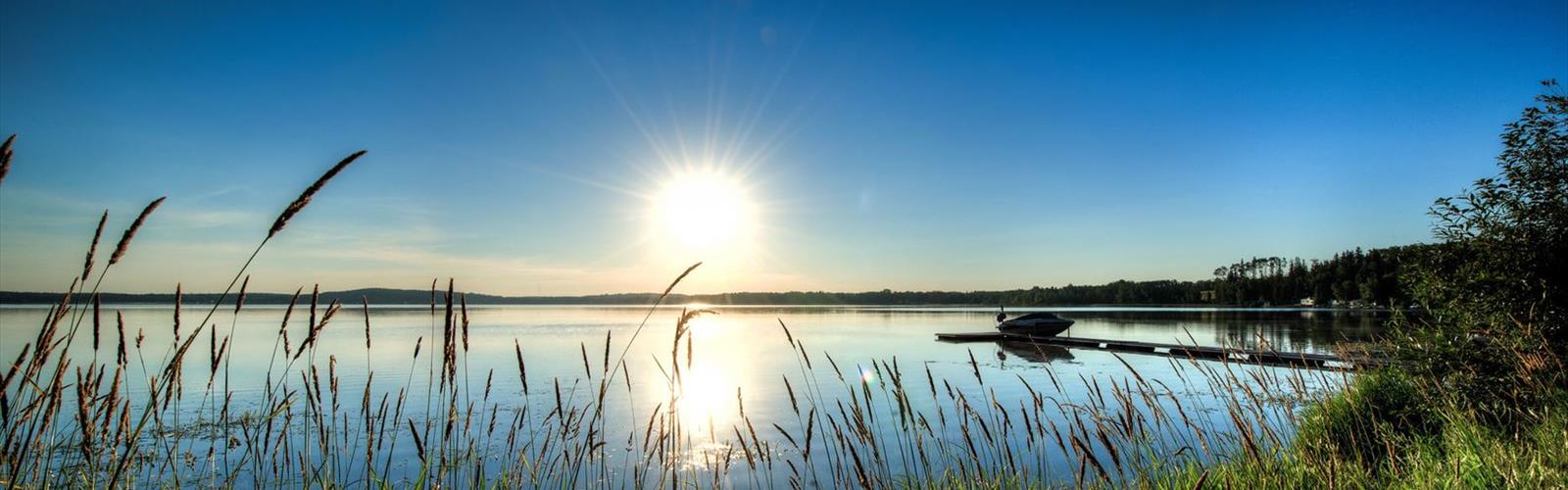
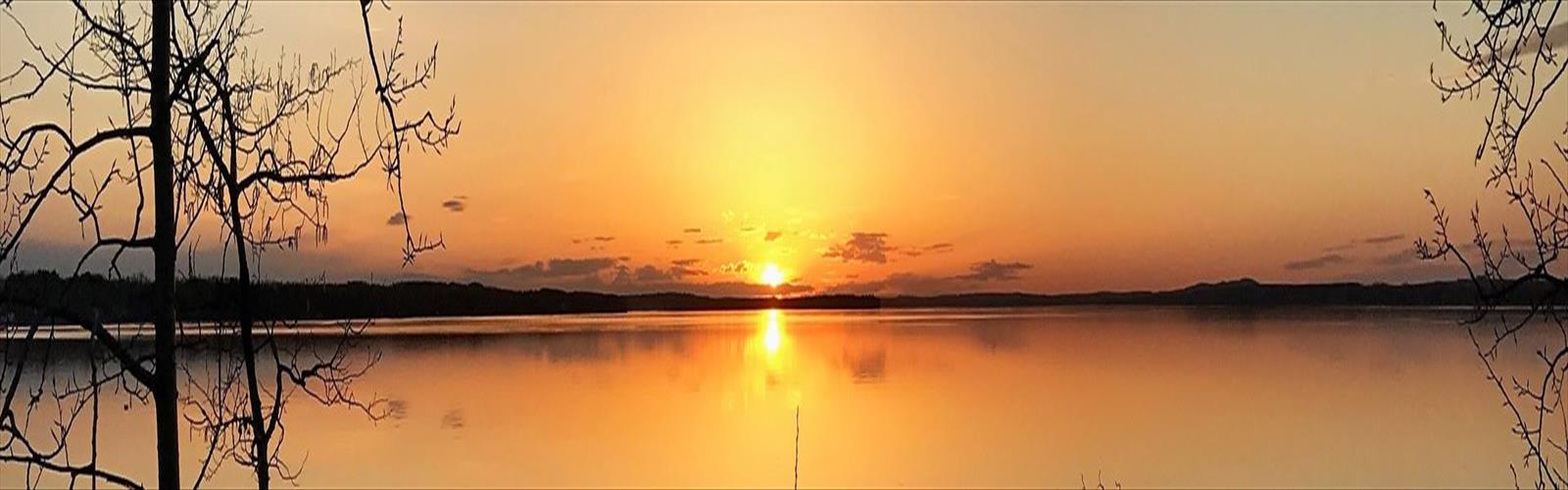
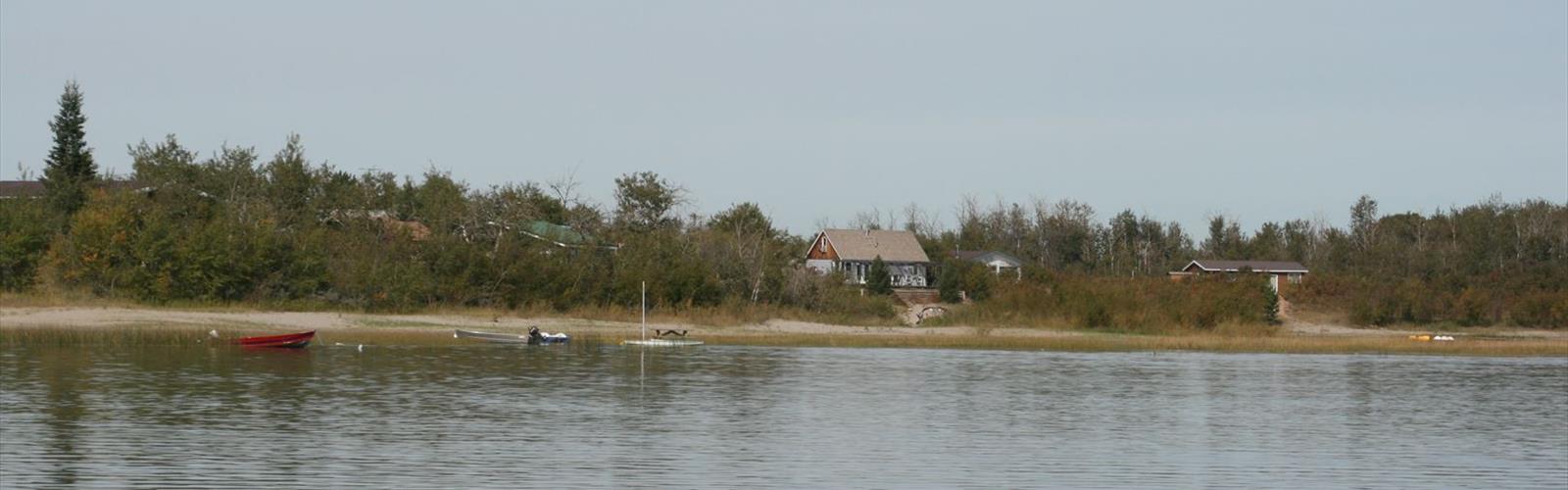
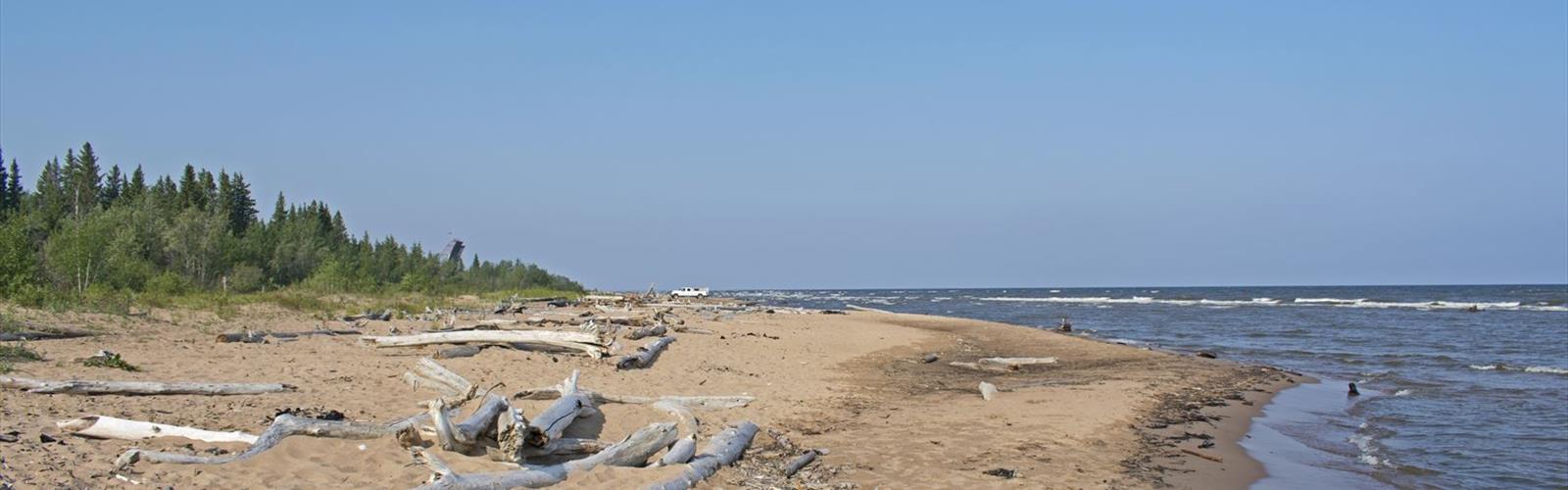
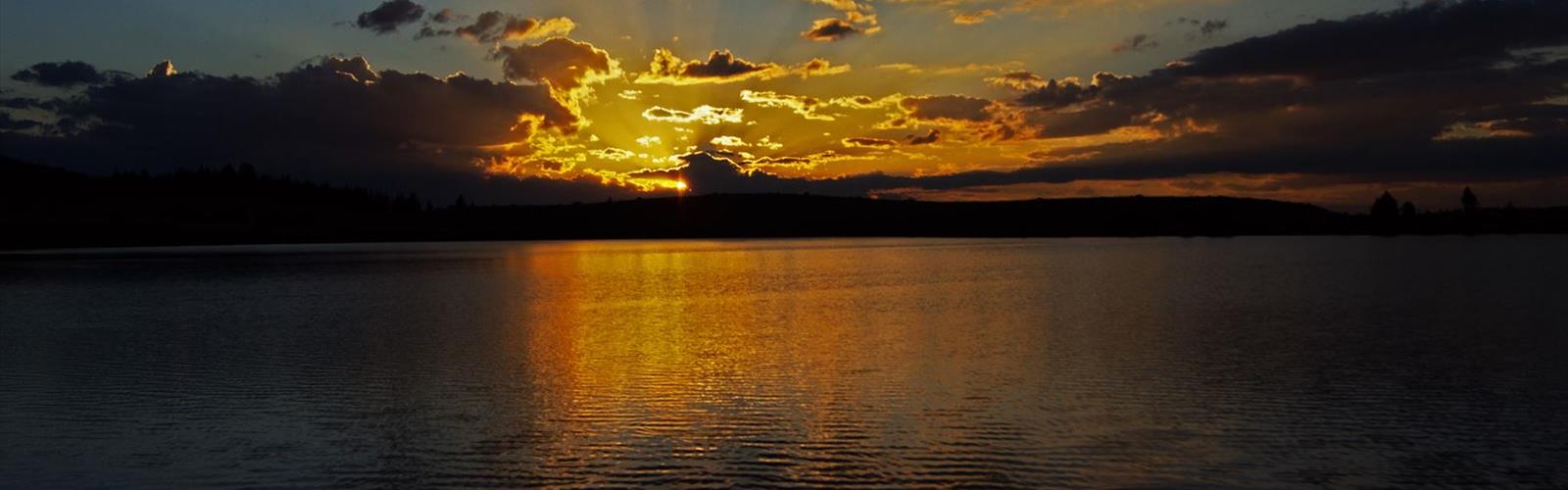
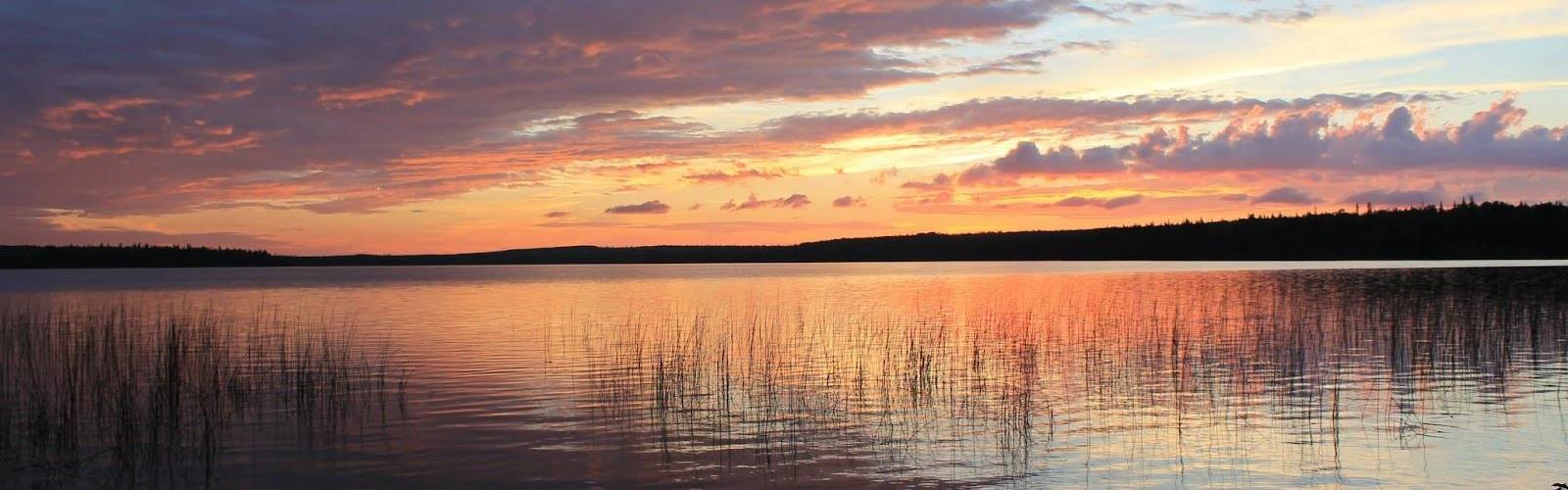
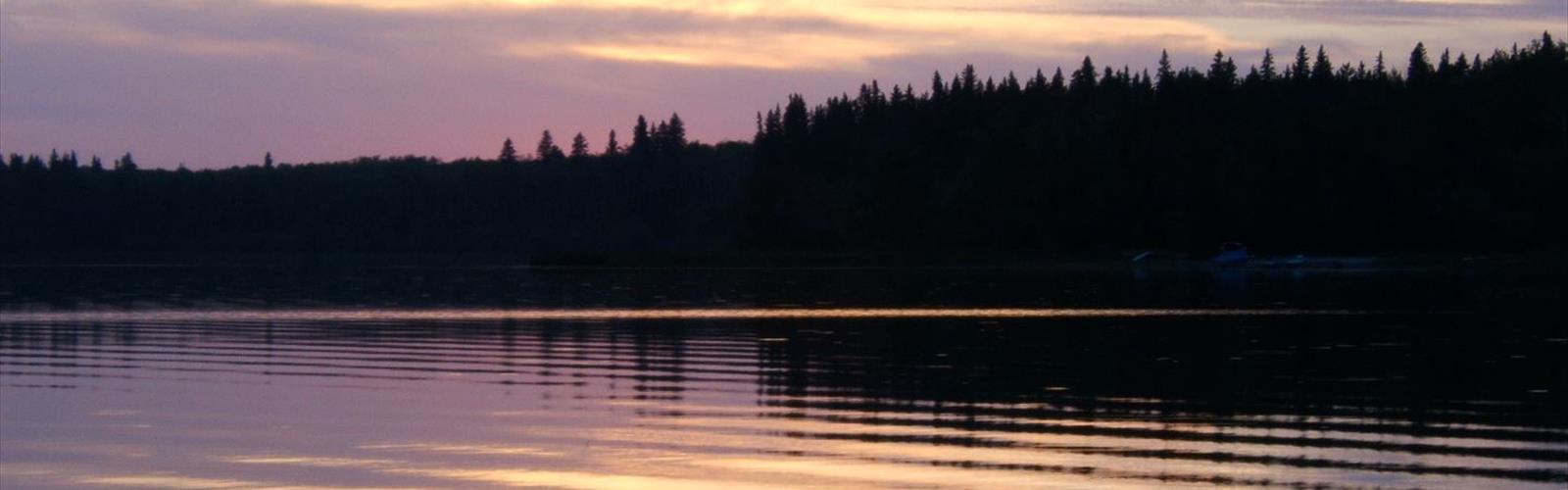
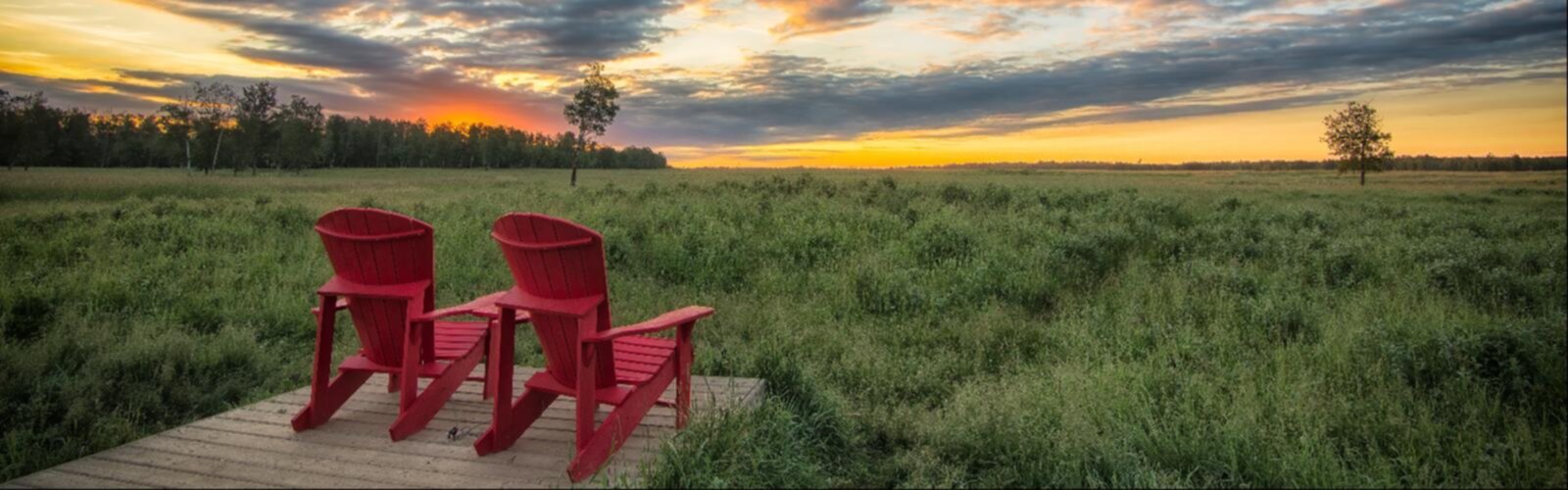
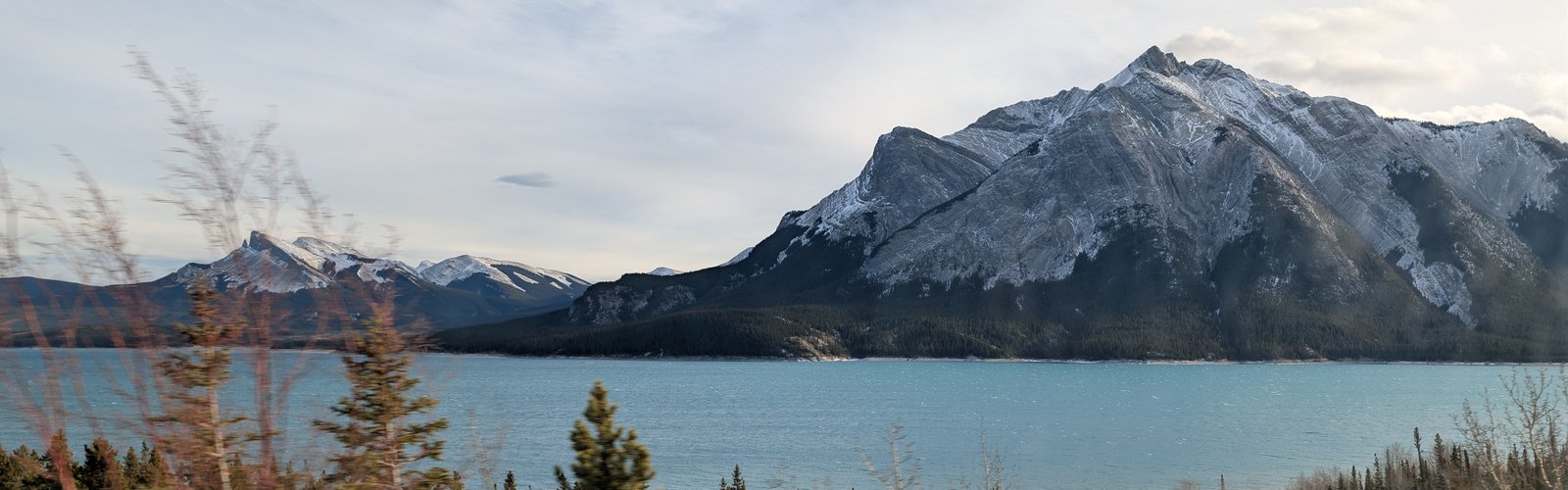
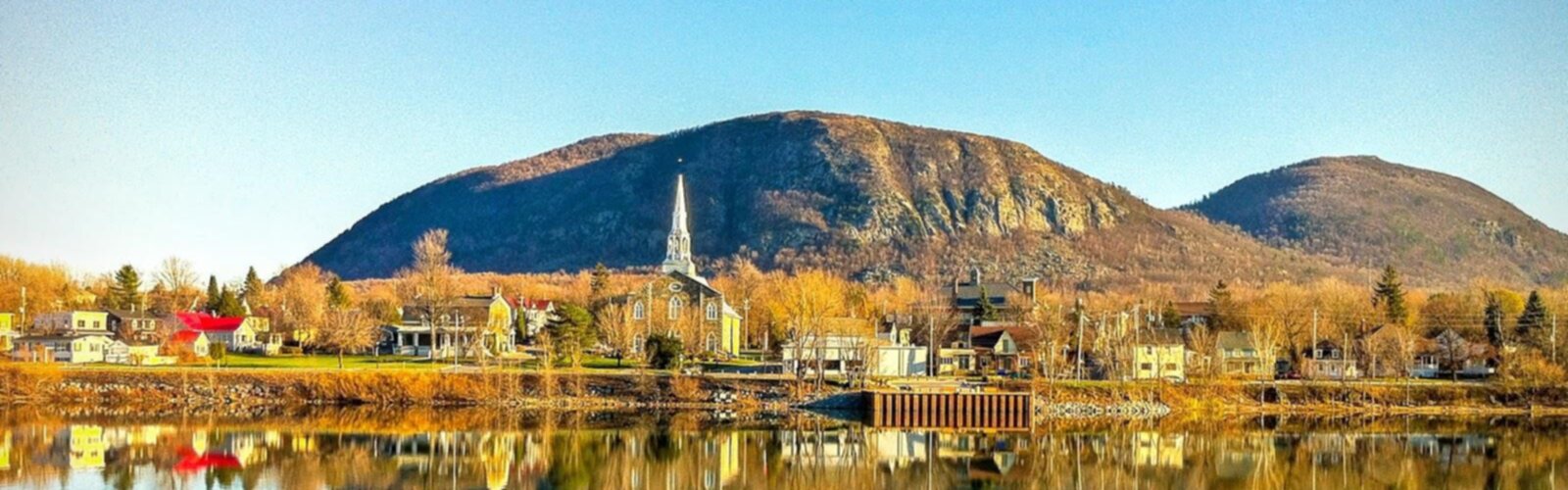
Nestled in the heart of Alberta, the Lakelands region offers some of Canada's most spectacular hiking experiences, where pristine wilderness meets crystal-clear waters. This enchanting destination captivates outdoor enthusiasts with its diverse landscapes of shimmering lakes, dense forests, and rolling hills that create the perfect backdrop for unforgettable adventures.
Why Hike in the Lakelands
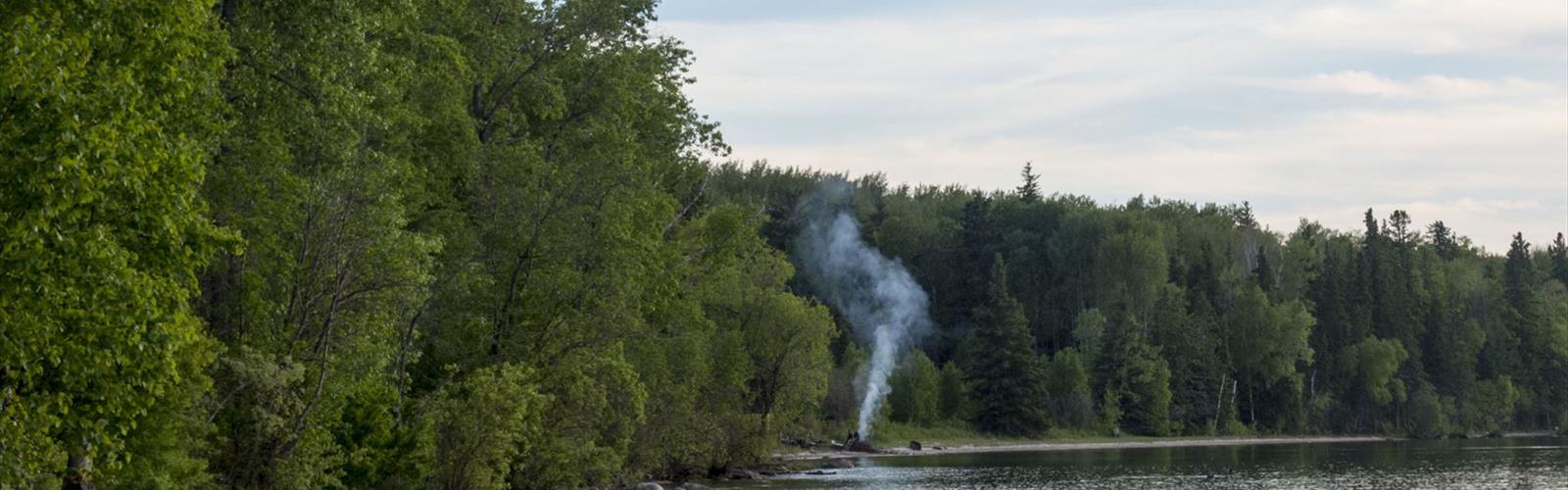
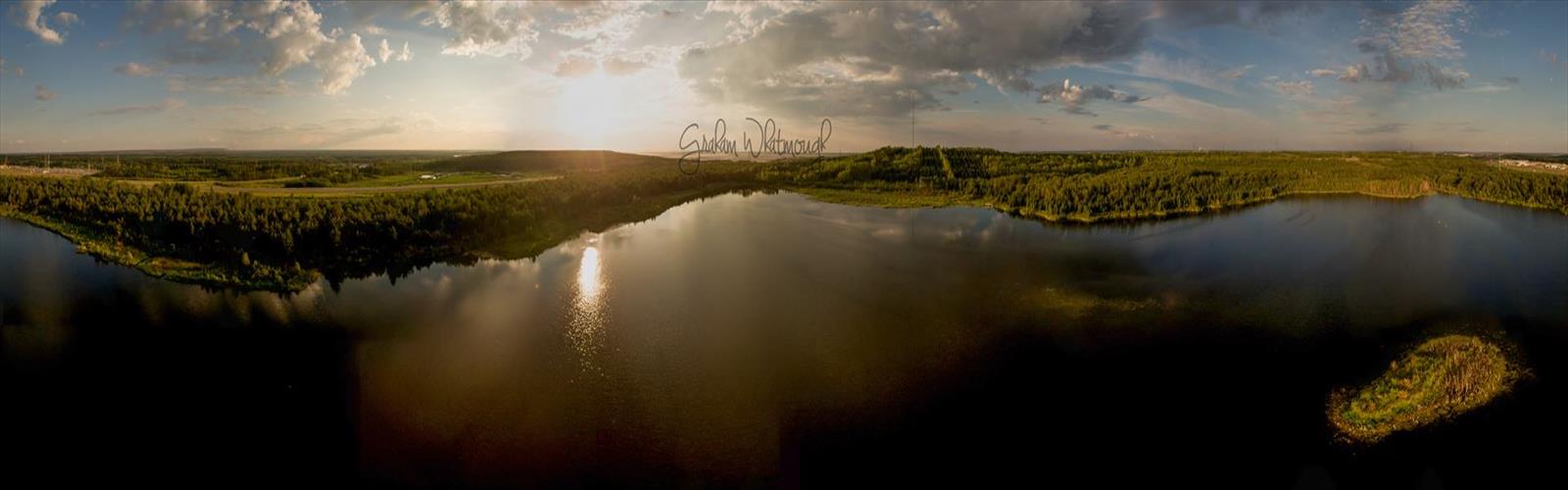
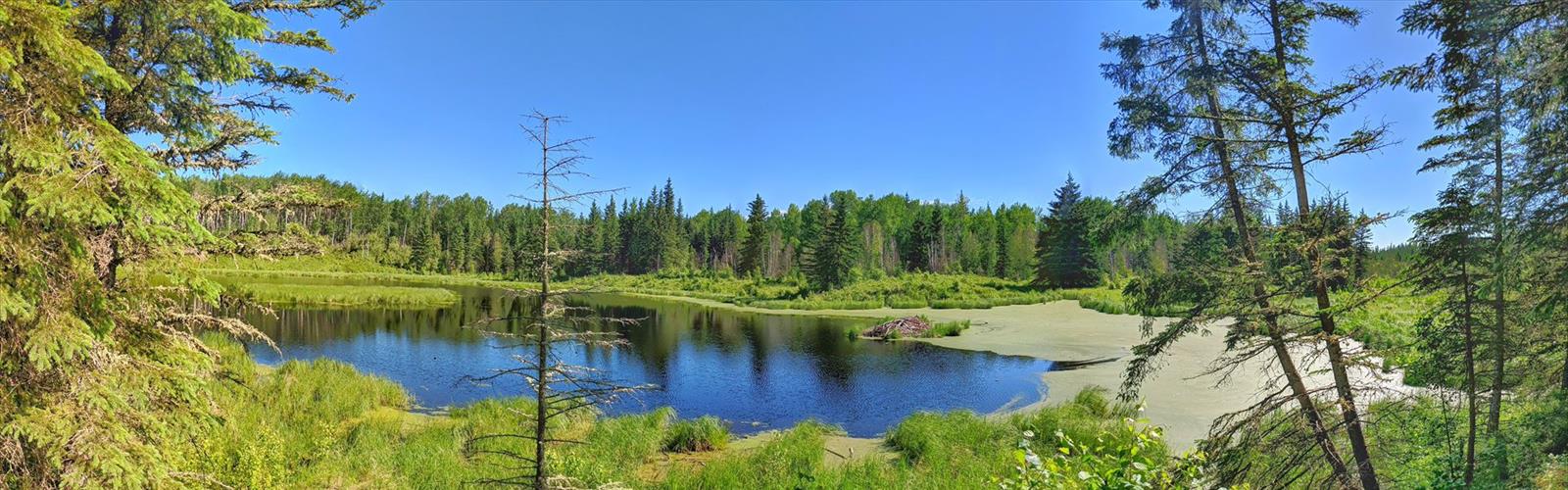
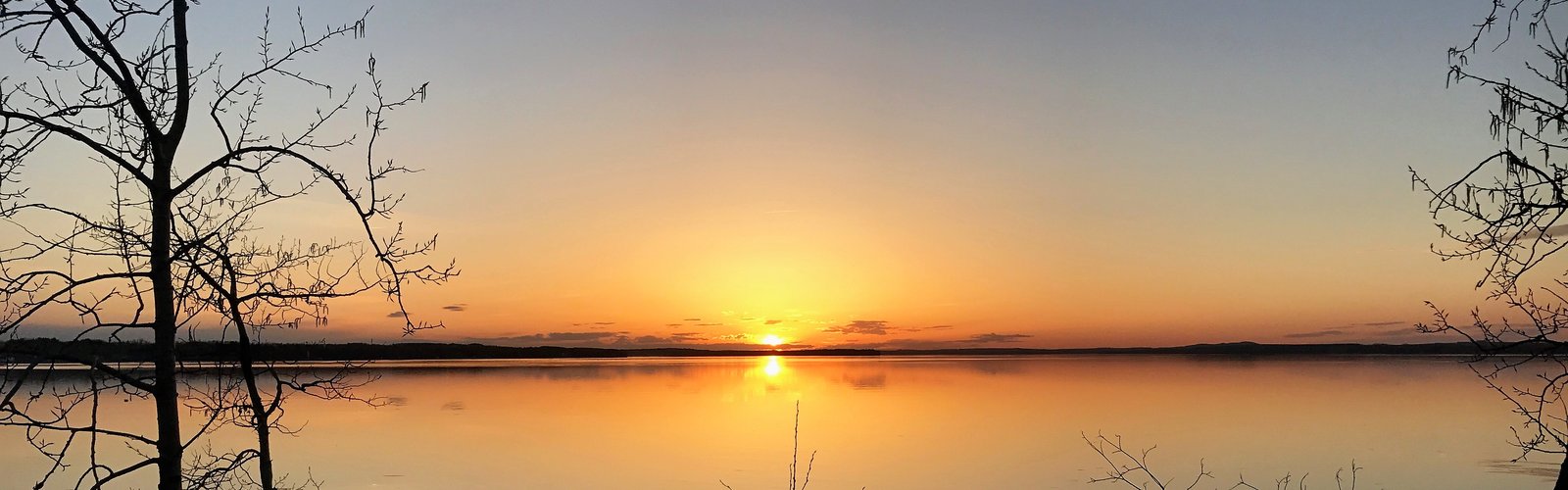
The Lakelands region stands out as a premier hiking destination thanks to its unique geography of interconnected waterways and varied terrain. Randonnée Lakelands Alberta experiences showcase an incredible diversity of ecosystems, from boreal forests teeming with wildlife to serene lakeshores that reflect towering pines and aspens. The region's geological features include ancient rock formations, glacial valleys, and wetland areas that support an abundance of flora and fauna. Wildlife enthusiasts can spot moose, black bears, beavers, and over 200 bird species, while the pristine lakes offer stunning reflections of the surrounding wilderness that make every trail memorable.
Must-Visit Trails
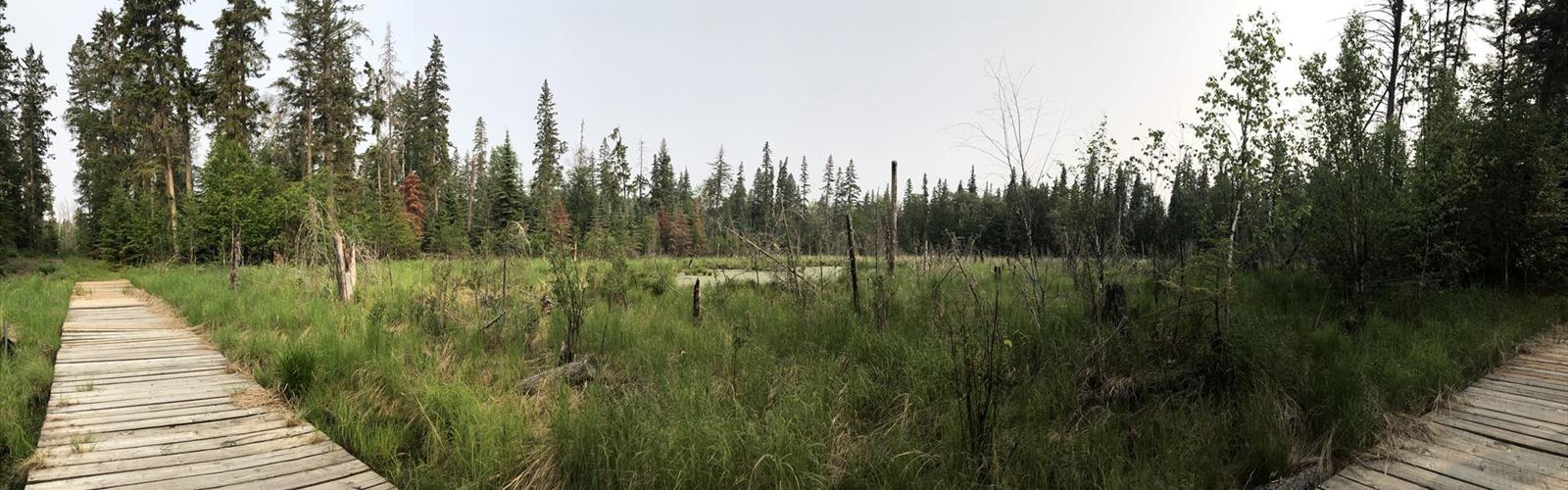
The sentiers Lakelands offer something for every hiker's preference and skill level. While specific trail information varies by season and accessibility, the region is renowned for its lakeside pathways that wind through old-growth forests and offer spectacular viewpoints. Many trails feature boardwalk sections over wetland areas, providing unique perspectives of the aquatic ecosystems. The interconnected trail system allows hikers to customize their adventures, whether seeking a peaceful morning walk along calm waters or a challenging full-day expedition through varied terrain.
Difficulty Levels for Every Adventurer
The Lakelands region accommodates hikers of all experience levels with its diverse trail network. Beginners can enjoy gentle lakeside paths with minimal elevation gain, perfect for families and those new to hiking. Intermediate trails offer moderate challenges with rolling hills and longer distances, while advanced hikers can tackle more demanding routes that include steep climbs and technical terrain. This variety ensures that plein air Lakelands Alberta activities remain accessible to everyone from casual walkers to seasoned adventurers.
Beyond Hiking: Outdoor Activities
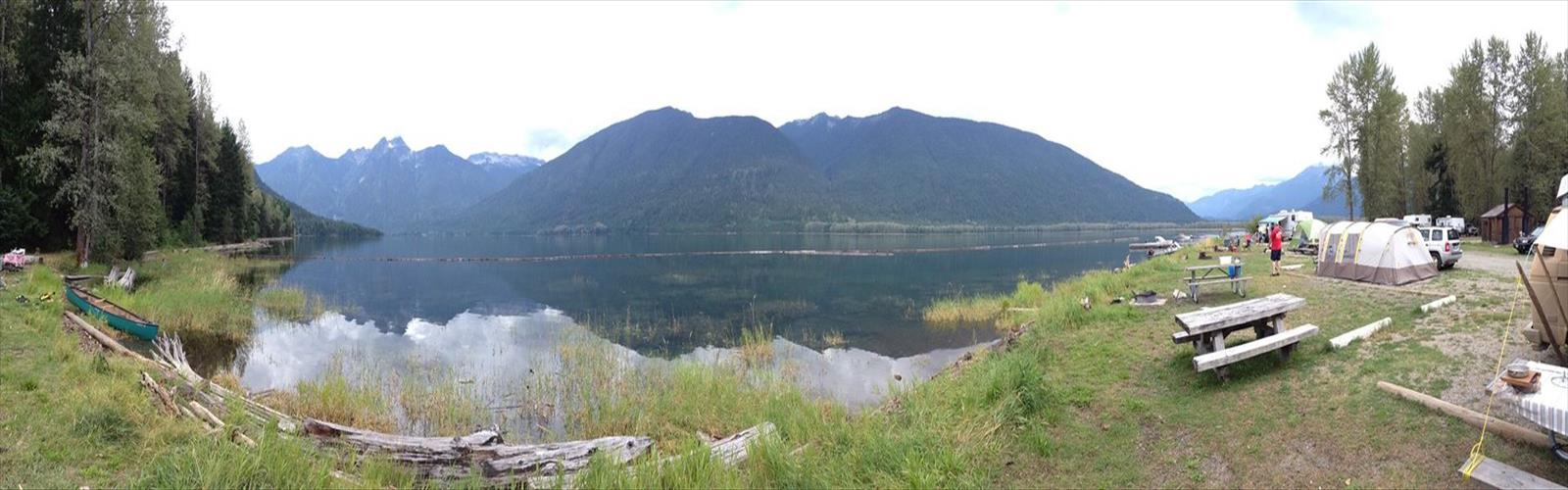
The Lakelands region extends far beyond hiking trails, offering a comprehensive outdoor playground. The numerous lakes provide excellent opportunities for canoeing, kayaking, and fishing, with many trails connecting to prime water access points. Wildlife photography enthusiasts find endless subjects, from waterfowl to forest creatures. During winter months, many trails transform into cross-country skiing and snowshoeing routes, extending the region's appeal year-round. Camping opportunities abound, allowing visitors to fully immerse themselves in the natural beauty.
Planning Your Lakelands Adventure
Best Time to Visit
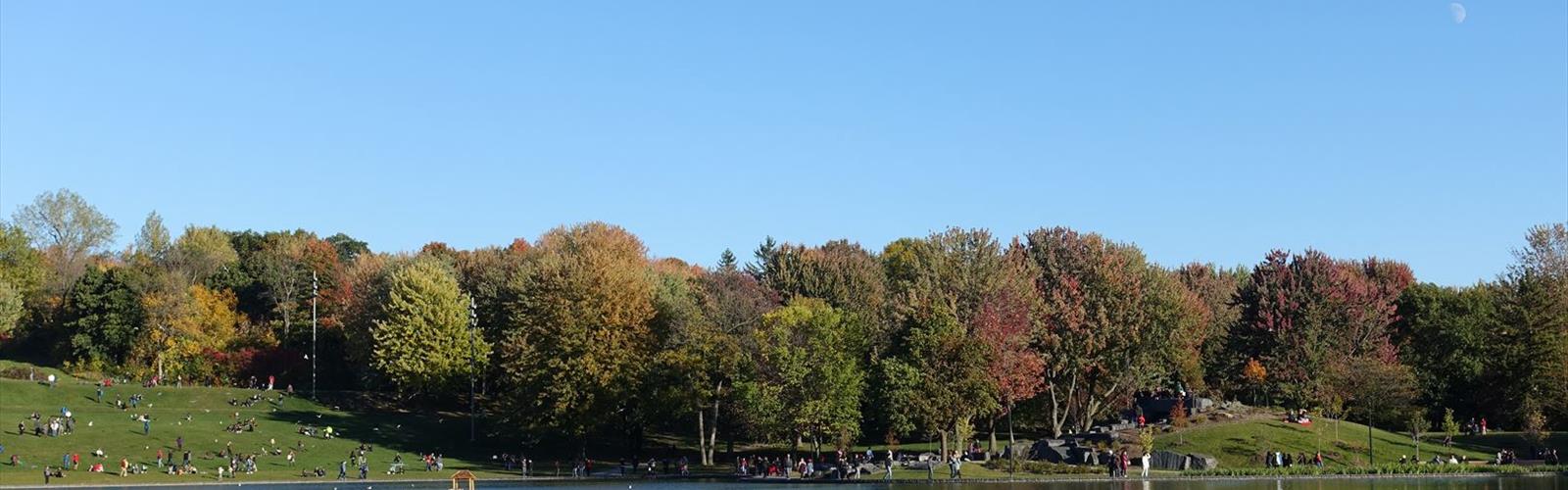
The optimal hiking season runs from late May through early October, when trails are most accessible and weather conditions favorable. Summer months offer the warmest temperatures and longest daylight hours, while fall provides spectacular foliage colors reflected in the lakes.
Essential Preparations
Pack layers for changing weather conditions, waterproof footwear for potentially muddy sections, and insect repellent during summer months. Bring plenty of water and snacks, as services may be limited. A camera is essential for capturing the region's photogenic landscapes, and binoculars enhance wildlife viewing opportunities.