
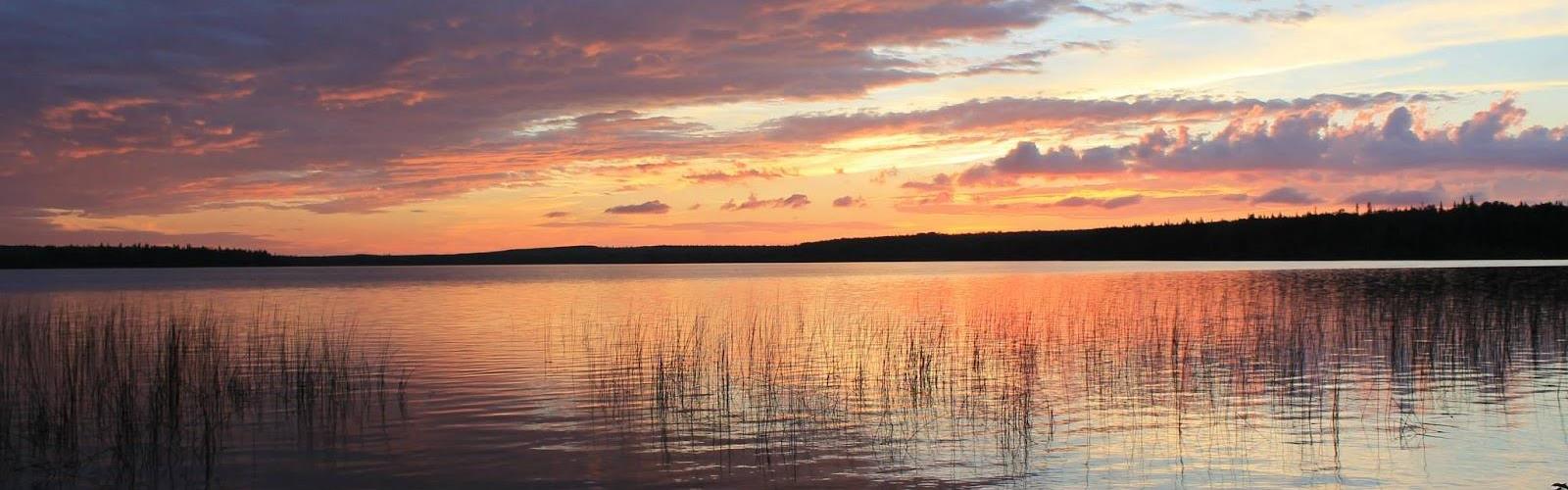

Ready to explore Lakeland Provincial Recreation Area? Here's everything you need to know before you go!
Discover the trail
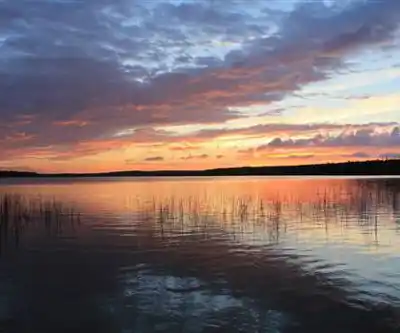
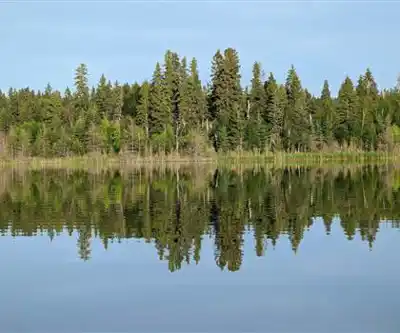
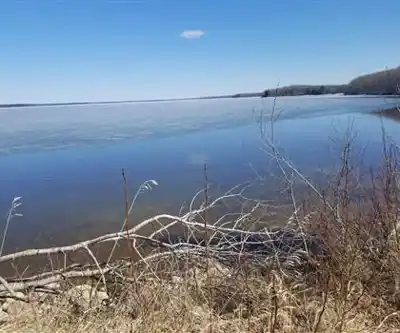
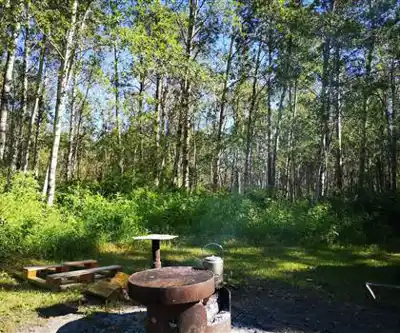
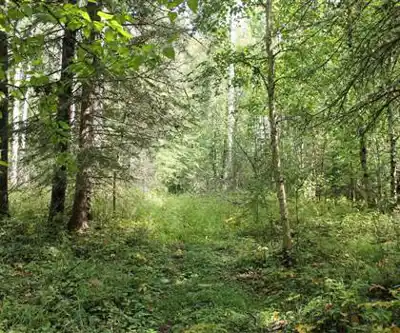
Photos: Goblin Ark — Google Maps (Google Maps) Ralph Fuhrmann — Google Maps (Google Maps) Torrey Zimmerman — Google Maps (Google Maps) koko Dog — Google Maps (Google Maps)
Trail description
Lakeland Provincial Recreation Area offers a genuinely different kind of Alberta outdoor experience. While most visitors head straight for the mountain parks, this corner of the province's boreal forest region rewards those willing to look beyond the Rockies. The trail network covers 6.9 kilometers with 227 meters of elevation gain — moderate terrain that most hikers can handle comfortably in around 2.5 hours.
The landscape here operates on a quieter scale. Instead of dramatic peaks and glacial valleys, you move through dense mixed forest — aspen, spruce, and birch standing close together — with wetlands and small lakes appearing through the trees at regular intervals. The elevation gain unfolds gradually across rolling terrain rather than steep pitches, which makes the moderate rating feel accurate rather than optimistic.
Trail Network and Terrain
The trail system links several smaller loops, giving you flexibility to adjust your route based on how much time and energy you have. Many of the paths follow old logging roads and traditional Indigenous routes, which translates to logical grades and straightforward navigation through the landscape. The surface alternates between soft forest floor covered in pine needles and occasional rocky sections that actually improve footing when conditions are wet.
Wooden bridges cross the small creeks at regular intervals, and the overall drainage is good enough that trails stay relatively dry even after rain. Clear signage at major junctions keeps navigation simple, and the network design means you can turn back early or extend your outing by connecting additional trail segments without backtracking over the same ground.
What You'll See Along the Way
Lakeland's boreal ecosystem supports a solid variety of wildlife, and encounters are genuinely common rather than just possible. Moose frequent the marshy areas, particularly during early morning and evening. White-tailed deer move through the forest in small groups throughout the day, and beavers maintain active lodges in several of the area's ponds and slow-moving streams. The beaver activity has reshaped parts of the landscape considerably, creating additional wetland habitat that supports the broader wildlife community.
Bird watching is consistently good across all seasons. Waterfowl gather on the larger lakes, while woodpeckers, nuthatches, and various warblers work through the mixed woodland. During migration, the area functions as an important stopover point along the central flyway, so species diversity spikes noticeably in spring and fall.
The small kettle lakes scattered throughout the area are worth pausing at. These formed when retreating glacial ice left depressions that eventually filled with water — a visible reminder of how recently (in geological terms) this landscape was shaped by ice.
Beyond the Trails
Hiking is only part of what draws people to Lakeland. The calm lakes and ponds are well-suited to canoes and kayaks, and several lakes connect through narrow channels, making extended paddling trips possible through varied scenery. Fishing for northern pike and walleye is consistent in the clearer, deeper lakes — the fish run smaller than in major river systems, but the setting is peaceful and the action is reliable, especially early morning and evening near fallen timber and weed beds.
This mix of activities makes the area particularly practical for groups where not everyone wants to hike. It's easy to split up, pursue different things, and meet back at a central point without anyone feeling like they compromised their day.
Camping Options
Backcountry sites scattered through the area provide primitive camping for those after solitude — fire rings and basic facilities, but you pack everything in and out. Closer to the main access points, more developed sites include pit toilets and picnic tables, which work well for families or groups who want easier access to vehicles and gear.
Nights here are genuinely dark. Loon calls carry across the lakes at dawn and dusk, light pollution is minimal, and clear nights offer good views of the Milky Way and seasonal constellations.
Planning Your Visit
Trail conditions shift considerably with the seasons. Spring hiking tends to be muddy and the insects arrive early, while summer brings the most comfortable conditions and the longest daylight. Fall delivers strong foliage color but also overlaps with hunting seasons that can affect trail access in parts of the area — worth checking before you go.
A few things to sort out before you head out:
- Water: Carry enough for your hike — natural sources need treatment before drinking.
- Bear spray: Both black bears and occasional grizzlies move through the area. Carry it and know how to use it.
- Insect repellent: In summer, mosquitoes and blackflies around the wetlands can be intense. Long sleeves and pants help.
- Cell coverage: Spotty at best. Tell someone your planned route and expected return time before you leave.
Lakeland Provincial Recreation Area is the kind of place that doesn't announce itself loudly, but it delivers a full, satisfying day outdoors for anyone willing to trade alpine drama for the quieter rhythms of Alberta's boreal forest.
The Essential Hiking Checklist
Everything you need for your next hike. Bilingual, printable, 1 page.
Get your free hiking checklistRecommended gear for this trail
As an Amazon Associate I earn from qualifying purchases.


Ready to go?
Everything you need to know before you goStarting Point
The lakeland provincial recreation area is located in central Alberta, about an hour's drive north of Edmonton. From Edmonton, take Highway 2 north to the town of St. Paul. Turn left onto Highway 53 and drive about 15 minutes to the recreation area.
When?
How much?
As an Amazon Associate I earn from qualifying purchases.
Affiliate links — LGPO may earn a commission at no extra cost to you.
- Hiking shoes Essential
- → Salomon Elixir Tour Mid WP · 203.38 $
- Layered clothing Essential
- Rain jacket Essential
- Trekking poles
- → Black Diamond Trail Ergo Cork · 69.99 $
- Headlamp
- → Petzl Actik Core 625 · 103.95 $
FAQ - Frequently asked questions
Everything you need to knowSimilar hikes nearby
Discover other trails you might enjoy
Wood Bison Trail
Lakelands
Cold Lake Provincial Park
Lakelands
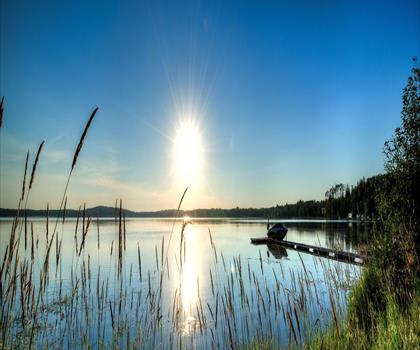
Baptiste Lake
Lakelands
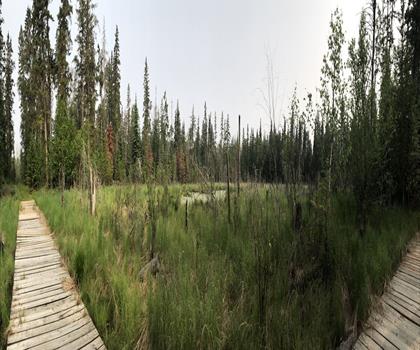
Sir Winston Churchill Provincial Park
Lakelands
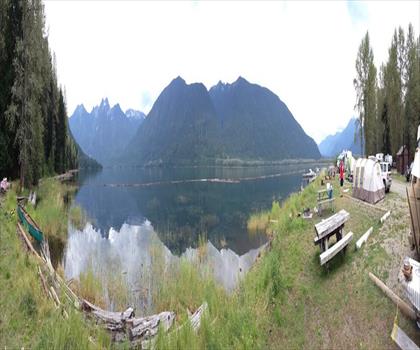
Ross Lake Campground
Lakelands
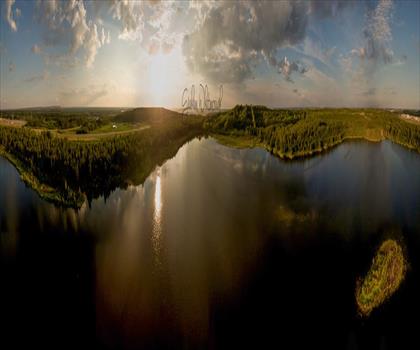
Crane Lake
Lakelands
Hiking near Edmonton
42 trails to explore ~186 km away
We work hard to provide the most up-to-date and error-free data possible. If something seems incorrect, let us know! Your contribution helps the whole community.
Hikers' opinions
Be the first to review!
No hiker has shared their experience yet. Share your impressions and help other hikers!