
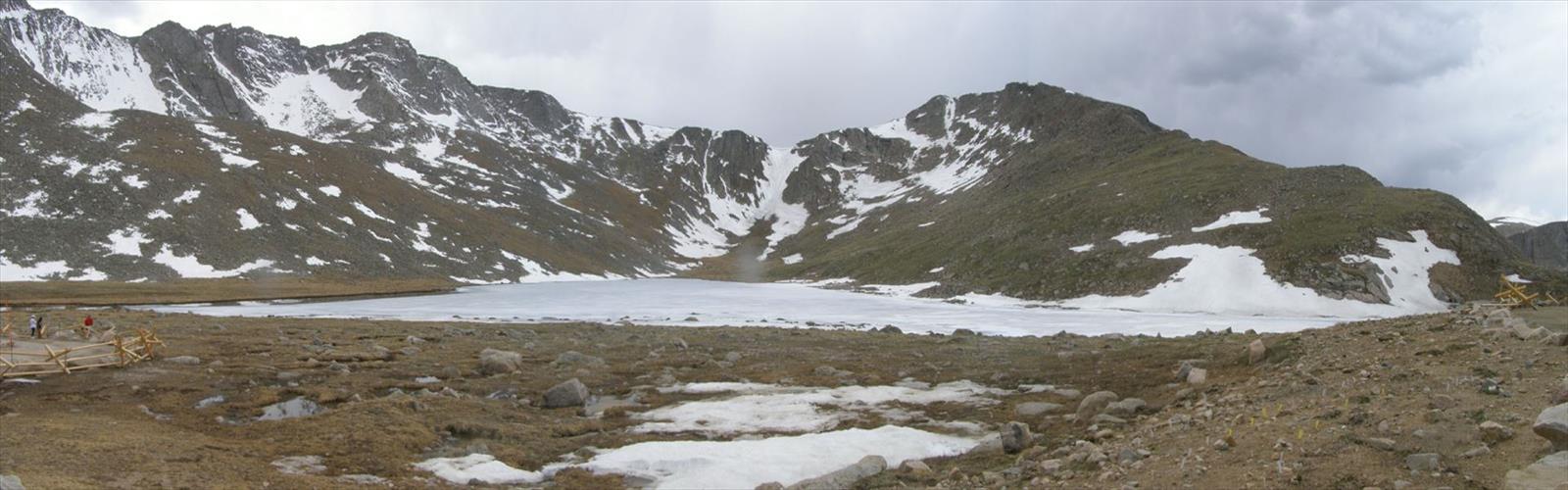

Ready to explore Stone Mountain Provincial Park? Here's everything you need to know before you go!
Discover the trail
Trail description
Stone Mountain Provincial Park sits in the remote wilderness of northern British Columbia, offering hikers an authentic backcountry experience far from crowds and cell towers. This 6.4-kilometer moderate trail gains 400 meters of elevation over roughly two hours and fifteen minutes, leading you through diverse terrain that showcases the raw beauty of BC's northern mountains.
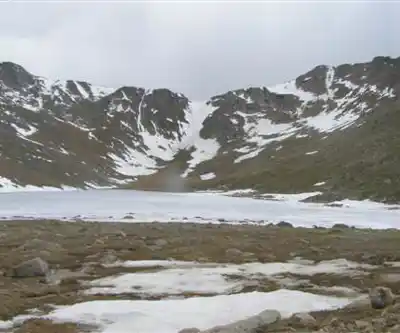
The park's defining feature is its dramatic landscape of rugged peaks rising from lush valleys, punctuated by pristine alpine lakes that reflect the surrounding mountains like mirrors. Unlike the more accessible parks closer to urban centers, Stone Mountain maintains an untouched quality that makes every step feel like genuine exploration. The terrain shifts constantly as you hike—from dense forest floors carpeted with moss and fallen logs to open meadows bursting with wildflowers during peak season.
Trail Experience and Terrain
The Stone Mountain Trail delivers a quintessential northern BC mountain experience. The moderate difficulty rating reflects steady elevation gain over varied terrain rather than technical challenges, making it accessible to hikers with reasonable fitness levels. The trail begins in thick coniferous forest where towering spruce and fir create a cathedral-like atmosphere, their branches filtering sunlight into dappled patterns on the forest floor.
As you climb, the forest gradually opens up, revealing glimpses of the dramatic peaks that give the park its character. The middle section of the hike transitions through subalpine zones where stunted trees and hardy shrubs mark the approach to higher elevations. Here, the trail becomes rockier and more exposed, offering increasingly expansive views of the surrounding wilderness.
The trail presents a rewarding challenge, leading hikers through rocky terrain with some scrambling sections. The payoff comes in the form of panoramic views across the northern BC wilderness that encompass wave after wave of untouched mountain ranges. The route showcases the park's diverse ecosystems, from dense forest to alpine meadows where lupines, Indian paintbrush, and mountain asters create natural gardens during summer months.
Wildlife and Natural Features
Stone Mountain Provincial Park supports a rich variety of wildlife, making bear safety knowledge essential for any visit. Black bears frequent the area, particularly during berry season, while grizzly bears also inhabit the region. The remote location means these animals remain truly wild and unpredictable. Caribou, moose, and mountain goats also call this area home, along with smaller mammals like marmots and pikas that you'll often hear whistling from rocky outcrops.
Bird life thrives in the park's diverse habitats. Gray jays and Clark's nutcrackers are common companions on the trails, often approaching hikers with curious boldness. Golden eagles and hawks patrol the skies above, riding thermals that rise from the sun-warmed valleys. The alpine lakes support waterfowl during summer months, while the surrounding wetlands provide habitat for numerous songbird species that fill the morning air with their calls.
The geological features tell the story of ancient mountain-building forces and glacial activity. Exposed rock faces reveal layers of sedimentary rock twisted and folded by tectonic forces, creating dramatic striations visible from the trail. U-shaped valleys carved by long-vanished glaciers create dramatic backdrops for hiking, their steep walls rising abruptly from relatively flat valley floors. The alpine lakes themselves occupy cirques—bowl-shaped depressions carved by glacial action thousands of years ago.
Seasonal Considerations and Access
Summer months provide the most reliable access to Stone Mountain Provincial Park, when snow has cleared from the trails and weather conditions remain relatively stable. Even during peak season, however, the northern location means temperatures can drop significantly, especially at higher elevations and during nighttime hours. Weather can change rapidly in the mountains, with afternoon thunderstorms common during summer months that can bring heavy rain, lightning, and even hail.
The remote location means trail conditions can vary significantly based on recent weather patterns. Spring snowmelt can make stream crossings challenging and potentially dangerous, while late-season storms may dump unexpected snow even in early fall. The park's elevation and northern latitude create a relatively short hiking season compared to more southern destinations, typically running from late June through early September.
Early season hiking often means dealing with muddy conditions and lingering snow patches, particularly in shaded areas and at higher elevations. Late season brings the reward of fall colors but also the risk of sudden weather changes that can catch unprepared hikers off guard.
Preparation and Safety
The wilderness setting demands thorough preparation and complete self-sufficiency. Sturdy hiking boots with good ankle support are essential, as the rocky terrain can be unforgiving and twisted ankles are common injuries on uneven surfaces. Weather protection is crucial—temperatures can swing dramatically between day and night, and storms can move in with little warning. Pack layers including a warm insulating layer and waterproof outer shell, even on seemingly perfect days.
Water sources exist throughout the park, but carrying plenty of drinking water remains essential, especially for longer hikes or during hot weather. The clear mountain streams and lakes may look inviting, but treating or filtering water is strongly recommended to avoid waterborne illness that could ruin your trip or create serious health issues in this remote location.
Bear safety requires both knowledge and preparation. Carry bear spray and know how to use it effectively—practice removing the safety and aiming before you need it. Make noise while hiking, especially around blind corners or dense vegetation where visibility is limited. Proper food storage becomes critical if you're planning overnight stays, as the park's remote location means help is far away if problems arise.
Navigation skills prove valuable in this wilderness setting. While the main trail is generally well-marked, the remote location means getting lost could create serious problems. Carry a map and compass or GPS device, and know how to use them effectively. Cell phone coverage is nonexistent throughout most of the park, so don't rely on your phone for navigation or emergency communication.
The park's isolation means mechanical problems, injuries, or other emergencies require self-rescue or long waits for help. Travel with companions when possible, and always inform someone of your planned route and expected return time. The authentic wilderness experience comes with genuine wilderness risks that require respect, preparation, and conservative decision-making.
The Essential Hiking Checklist
Everything you need for your next hike. Bilingual, printable, 1 page.
Get your free hiking checklistRecommended gear for this trail
As an Amazon Associate I earn from qualifying purchases.


Ready to go?
Everything you need to know before you goStarting Point
The easiest way to get to the start of the trails at the stone mountain provincial park is to drive there.
When?
How much?
As an Amazon Associate I earn from qualifying purchases.
Affiliate links — LGPO may earn a commission at no extra cost to you.
- Hiking shoes Essential
- → Salomon Elixir Tour Mid WP · 203.38 $
- Layered clothing Essential
- Rain jacket Essential
- Trekking poles
- → Black Diamond Trail Ergo Cork · 69.99 $
- Headlamp
- → Petzl Actik Core 625 · 103.95 $
FAQ - Frequently asked questions
Everything you need to knowSimilar hikes nearby
Discover other trails you might enjoy

Mount Robson
Northern British Columbia
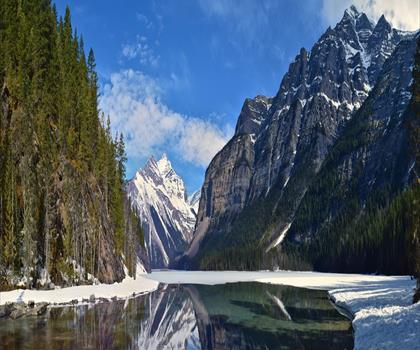
Kinney Lake
Northern British Columbia

Liard Hot Springs Lodge
Northern British Columbia
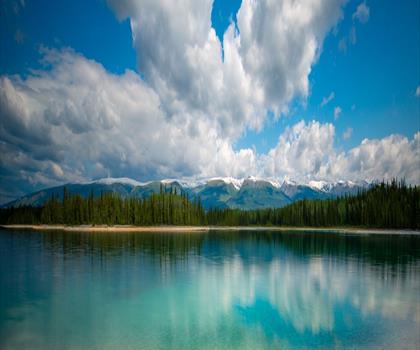
Boya Lake
Northern British Columbia
Kinuseo Falls
Northern British Columbia
Hudson Bay Mountain
Northern British Columbia
Hiking near Jasper
82 trails to explore ~761 km away
We work hard to provide the most up-to-date and error-free data possible. If something seems incorrect, let us know! Your contribution helps the whole community.
Hikers' opinions
Be the first to review!
No hiker has shared their experience yet. Share your impressions and help other hikers!