
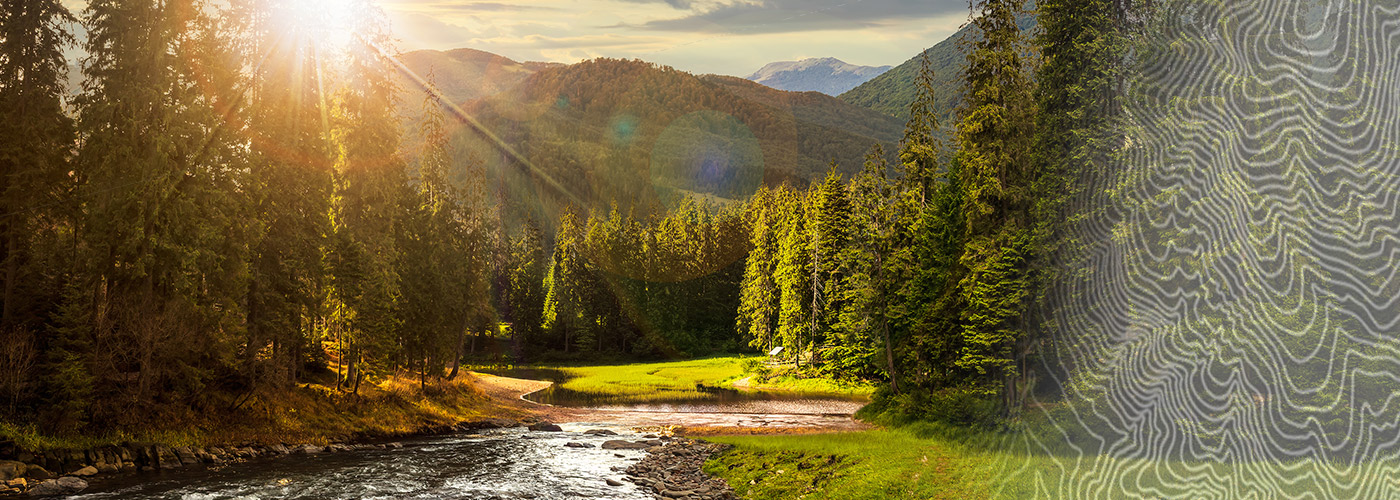

Ready to explore Tatogga Lake Resort? Here's everything you need to know before you go!
Discover the trail
Oh no! We don't have any photos 😢
This trail hasn't been captured yet. Be the first to share your adventure!Trail description
Tatogga Lake Resort functions as a true wilderness basecamp in the heart of Northern British Columbia's remote backcountry. This isn't a polished mountain resort with groomed trails and signage every hundred meters — it's a wilderness lodge positioned at the edge of some of Canada's most untouched terrain, where the surrounding landscape offers everything from quiet lakeside walks to demanding multi-day expeditions through country where you might not see another person for days on end.
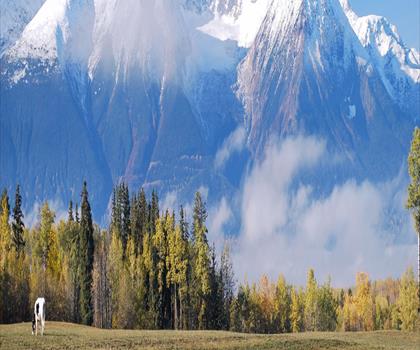
The resort sits on the shores of Tatogga Lake, a pristine glacial lake that reflects the surrounding peaks and anchors the whole wilderness experience. Dense stands of black spruce and subalpine fir cover the lower elevations, gradually giving way to open alpine terrain as you climb toward the plateau country above. The scale of this landscape takes some getting used to — the silence, the space, and the sense that you're genuinely far from anything resembling civilization.
Trail Character and Terrain
The hiking around Tatogga Lake covers a wide range of difficulty and character. Lower elevation trails follow the lakeshore and wind through thick boreal forest, offering relatively stable footing and gentle grades. These routes are well-suited for shaking out tired legs, getting your bearings on the first day, or simply enjoying the dense spruce and fir forest with its frequent openings onto the lake and surrounding peaks.
Higher up, the terrain shifts dramatically. Forest trails climb through subalpine zones where the trees thin out and wildflower meadows take over during the brief northern summer. The transition from dense forest to open alpine country can happen within a single day's hike, and when it does, the change in both scenery and conditions is striking. Above treeline, you're exposed, the footing becomes less predictable, and navigation requires more attention.
Creek crossings show up regularly on most routes in this area. Water levels can swing hard with rainfall and snowmelt, so waterproof footwear and solid creek-crossing technique aren't optional on longer hikes — they're just part of the deal. The terrain ranges from well-defined forest paths to open alpine routes where route-finding and weather awareness matter considerably more than on a typical marked trail system.
Spatsizi Plateau Wilderness Park
The big draw for serious hikers in this region is Spatsizi Plateau Wilderness Park, which sits nearby and is often called "Canada's Serengeti" for its vast open landscapes and exceptional wildlife. This massive wilderness area offers some of the most remote and challenging hiking in British Columbia — routes that cross rolling plateau country, drop into deep river valleys, and climb through high alpine zones where the sheer scale of everything around you can be genuinely disorienting.
The park's trail network connects a series of lakes, rivers, and mountain passes, making multi-day expeditions possible through country that remains largely unchanged from its pre-contact state. Wildlife sightings are common: caribou, moose, black bears, and grizzly bears all move through this terrain. The plateau's open character gives you long sightlines for spotting animals at distance, but that same openness means weather systems can roll in fast with nowhere to hide.
Hiking in Spatsizi demands real backcountry competence. The remoteness that makes it spectacular also means that if something goes wrong, help is genuinely far away. This isn't terrain for hikers who are still building their wilderness skills — it rewards experience, solid navigation, and thorough preparation.
Seasonal Window and Conditions
The hiking season runs from late June through early September. Snow clears from higher elevations slowly, and patches can persist well into July on north-facing slopes and in sheltered couloirs. Lower elevation paths around the lake are more predictable throughout the season, while higher routes require checking conditions carefully before committing.
Weather in this part of Northern BC can shift from warm and clear to cold and stormy within a few hours, particularly in exposed alpine terrain. Long daylight hours are one of the genuine pleasures of hiking here in midsummer — evenings stretch out and the light on the lake and surrounding peaks is something worth staying up for. But that same compressed season means you need to make the most of good weather windows when they appear.
This is active bear country — both black bears and grizzlies. Proper food storage and bear awareness are non-negotiable here, not just good practice. The open terrain actually helps with visibility, but encounters are a real possibility and preparation matters.
On the Water
When weather pushes you off the higher terrain or you simply want a different kind of day, Tatogga Lake itself offers solid fishing and canoeing. The lake holds lake trout and other northern species, and early mornings and evenings are the best times for both fishing and paddling. Canoeing gives you access to quieter bays and inlets that are worth exploring for wildlife observation, and the perspective on the surrounding mountains from the water is genuinely different from anything you get on foot.
The lake's position offers some protection from wind, though afternoon gusts can develop and make conditions challenging for smaller watercraft. The water stays cold throughout summer — hypothermia is a real risk if you end up in it unexpectedly, even on a warm day.
Getting Here and Practical Logistics
Reaching Tatogga Lake Resort requires planning. This is genuinely remote country, and services are essentially non-existent once you're in the area. The access road can be rough, particularly after rain. You need to arrive with all your gear, food, and supplies already sorted — this isn't a place where you can easily replace forgotten equipment or resupply mid-trip.
Cell service and internet don't exist here, which is either a feature or a problem depending on your perspective. The resort provides comfortable accommodations with the essentials you need after hard days on the trail, and the staff carry current knowledge about trail conditions, recent wildlife activity, and weather patterns that's genuinely useful for planning your days. That local knowledge is worth tapping into before you head out.
For hikers who want access to serious wilderness terrain while returning to a warm, dry base each evening, Tatogga Lake Resort offers a combination that's hard to find anywhere else in Northern British Columbia.
The Essential Hiking Checklist
Everything you need for your next hike. Bilingual, printable, 1 page.
Get your free hiking checklistRecommended gear for this trail
As an Amazon Associate I earn from qualifying purchases.


Ready to go?
Everything you need to know before you goStarting Point
The tatogga lake resort is located in the province of British Columbia, Canada. To get to the start of the trails, take Highway 3 east from Hope, BC. The resort is located approximately 25 km from Hope.
When?
How much?
As an Amazon Associate I earn from qualifying purchases.
Affiliate links — LGPO may earn a commission at no extra cost to you.
- Hiking shoes Essential
- → Salomon Elixir Tour Mid WP · 203.38 $
- Layered clothing Essential
- Rain jacket Essential
- Trekking poles
- → Black Diamond Trail Ergo Cork · 69.99 $
- Headlamp
- → Petzl Actik Core 625 · 103.95 $
FAQ - Frequently asked questions
Everything you need to knowSimilar hikes nearby
Discover other trails you might enjoy

Mount Robson
Northern British Columbia
Kinney Lake
Northern British Columbia

Liard Hot Springs Lodge
Northern British Columbia
Boya Lake
Northern British Columbia
Kinuseo Falls
Northern British Columbia
Hudson Bay Mountain
Northern British Columbia
Hiking near Jasper
82 trails to explore ~927 km away
We work hard to provide the most up-to-date and error-free data possible. If something seems incorrect, let us know! Your contribution helps the whole community.
Hikers' opinions
Be the first to review!
No hiker has shared their experience yet. Share your impressions and help other hikers!